


Hisense is upping its laser-projection game at CES 2026 by previewing a flagship XR10 long-throw projector and living room–friendly PX4-PRO ultra-short-throw model. The message is clear: bigger images, brighter light output, and richer color targeted squarely at homes that crave wall-filling screens — just not a giant TV panel.
Both projectors are based on the company’s underlying multi-color laser work and processing upgrades that confront real-world viewing problems such as ambient light, installation flexibility, and color accuracy. If my early specs are holding up, Hisense is scoring a few hits that all laser front projectors have over lamp-based (and many LED) systems while firmly reaching for the pro-cinema ideas and bringing them home.
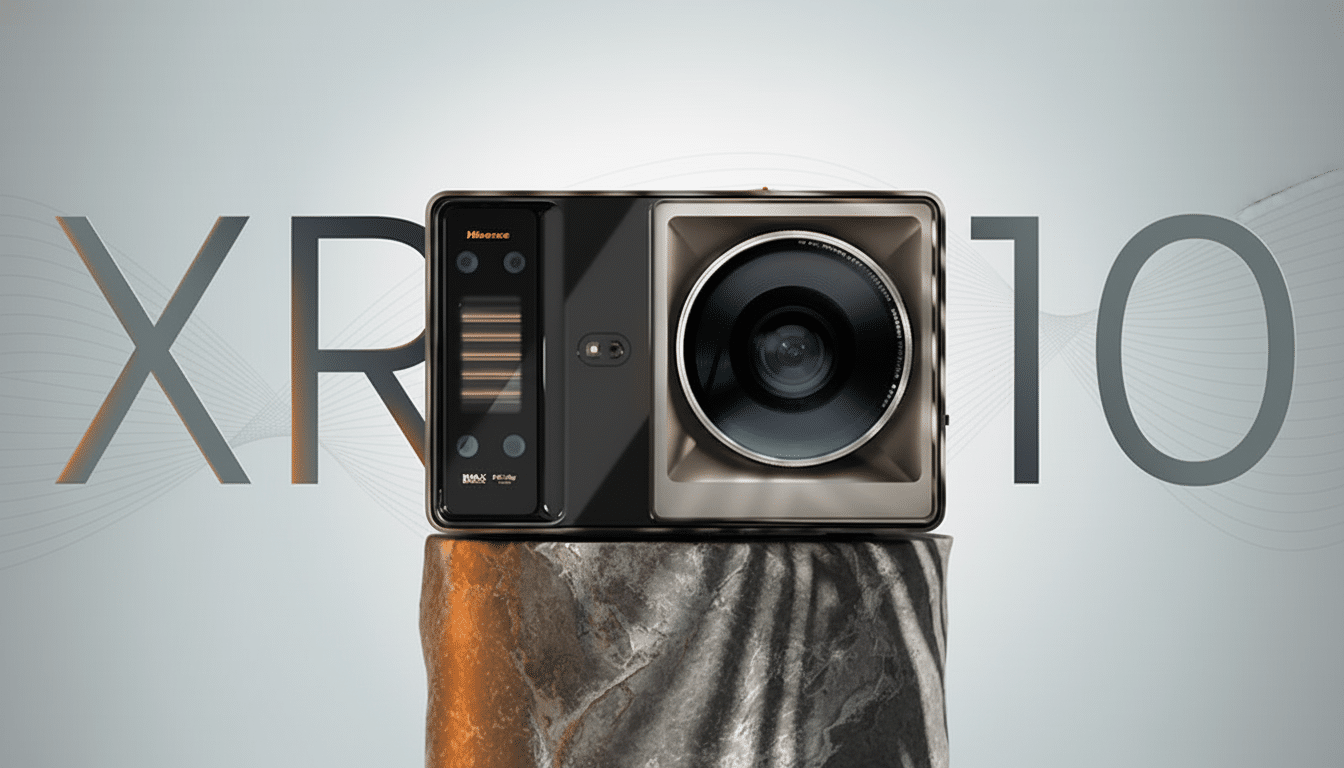
Hisense doubles down on laser projection technology
Central to the announcements is Hisense’s LPU 3.0 Digital Laser Engine and pure RGB triple-laser architecture. Unlike single laser-based systems that use phosphor, an exclusive red, green, and blue laser can deliver expanded color gamut and maintain color volume at higher brightness levels. The company also cites the reduction of what’s known as “speckle” — laser’s grainy-looking artifact — which continues to be a sore spot for purists.
That’s noteworthy: Hisense is quoting brightness in ANSI lumens, the industry’s relatively conservative and widely accepted measurement, not sketchier ones. That should simplify third-party validation for reviewers and labs such as ProjectorCentral and RTINGS that regularly test to ANSI standards.
XR10 aims at big, bright home cinema performance
Headlining the push is the XR10, which has a 6,000 ANSI lumens rating and can scale up to any size screen from 65 to 300 inches. That’s some serious light output for a home machine, and combined with a claimed 6,000:1 contrast thanks to a new iris, it puts the XR10 out there with all-purpose rooms where blackout is not always available.
Optics are important at these sizes, and Hisense touts a 16-element all-glass lens that reduces light loss and chromatic fringing. The unit’s sealed, microchannel liquid cooler indicates a design that can stand up to long hours without suffering thermal throttling or the dust-related decay of a fan-based model. Color is another key focus: BT.2020 coverage and a 6% speckle suppression rate should enable saturated hues without the glittering artifacts that can spoil laser beams on some screens.
Setup looks refreshingly modern. A 4-camera + dual ToF intelligent sensing array provides AI-assisted geometry and focus that allow for screen placement off-axis up to ±15 degrees. Vertical and horizontal lens shift — which remain scarce to nonexistent in many consumer laser models — give enthusiasts more flexibility to optically center the image (instead of using quality-degrading digital keystone).
PX4-PRO brings UST power to the living room
In places where a full-blown throw isn’t workable, the PX4-PRO shifts within inches of the wall while expanding up to 200 inches. Hisense has it at 3,500 ANSI lumens with 4K resolution and a maximum contrast of 6,000:1 using that same TriChroma laser tech. IMAX Enhanced certification bestows upon this projector a credibility stamp around image processing and standards adherence, and it’s also offering ultra-low latency for gaming.
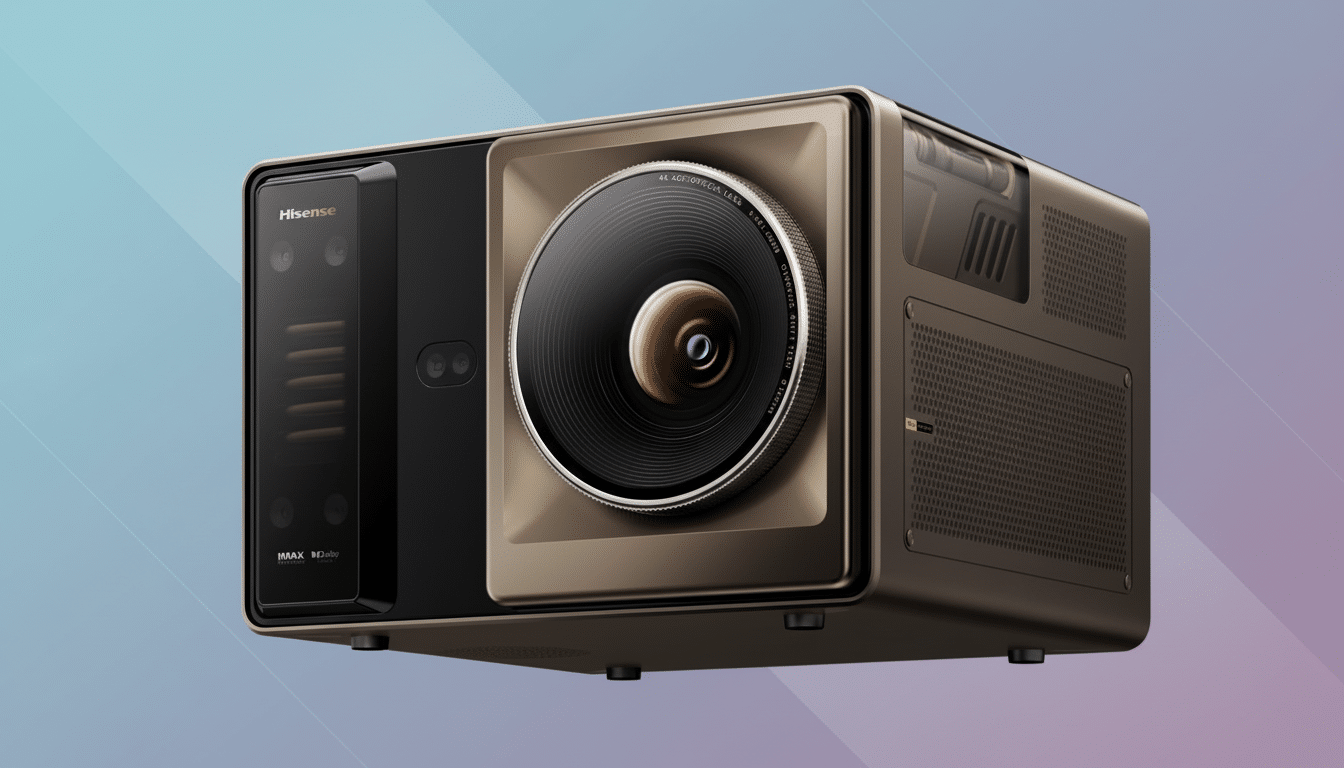
3,500 lumens on paper puts the PX4-PRO in fighting shape against popular UST rivals. Samsung’s top-end UST models usually sit in the high-2,000s in ANSI lumens, and LG’s premium models favor black levels and installation-friendly features over punchy brightness. Combine the PX4-PRO with a decent ambient light-rejecting screen and a bright, punchy 120- to 150-inch image starts to seem attainable even in daylight.
Why All That Brightness and Color Make a Difference
Ambient light is the nemesis of projection. A standard living room can bask in 100–300 lux of ambient light, and at those levels a projector requires significant lumen headroom and an appropriately outfitted screen to reject overhead lighting. Projectors in the 6,000-lumen class, like the XR10, let you go bigger without rolling over contrast, and triple-laser designs will help preserve that vividness that LEDs and lamp-driven units tend to skimp on when cranking up lumens.
More than a spec-sheet boast: color-space coverage. Wider-than-DCI-P3 performance and meaningful BT.2020 coverage can maintain challenging tones — the deep reds of sports uniforms, teal gradients in oceans, or neon signage — without off-kilter clipping. Speckle suppression is just as important; reducing that shimmer improves fine textures and skin tones, particularly on matte screens.
Market context and what to watch next for buyers
Market analysts at Futuresource Consulting and Omdia have reported double-digit growth for both the ultra-short-throw and “laser TV” segments as consumers seek 100-inch-plus screens without wall-mounting a huge panel. The competition is stiff: Epson 3LCD lasers work to mitigate speckle and rainbow effects, while brands like Formovie and LG press into image processing and smart platform polish.
For Hisense, the things that make it stand out from the crowd look like raw brightness, AI-based setup, and “advanced color” triple-laser engines. The remaining questions mark practical concerns — fan noise at high output, measured contrast on real content, input lag numbers for gamers, and pricing compared to premium USTs or long-throw competitors. Laser life is routinely advertised at over 20,000 hours, so confirmation here will count toward TCO just as it does with screen recommendations.
Final specifications, pricing, and ship timing will tell how disruptive these models could be. But if the early numbers translate to comparable quality, Hisense’s newest lasers could go a long way toward pushing projection deeper into everyday living rooms as well as dedicated dark theaters.
