


Healthify is improving its AI assistant Ria with live, two-way conversations that it says work via voice and camera, in hopes of turning daily health tracking into something you can do as naturally as talking. The company says its new experience pulls in data from wearables and sensors, responding in real time with tailored feedback, plans and easy food logging.
What Ria’s upgrade delivers in real-time health tracking
A new version of Ria can give you a summary of your health at any time scale — including this morning, this week or this month — by mixing structured and unstructured inputs.
- What Ria’s upgrade delivers in real-time health tracking
- Multilingual voice and vision for seamless logging and guidance
- Coaches in the loop with memory and session summaries
- Pricing expansion and partnerships for the U.S. launch
- How it stacks up against existing voice and vision diet apps
- Privacy and safety questions around memory and data sharing
- The takeaway: a lower-friction path to healthier habits daily
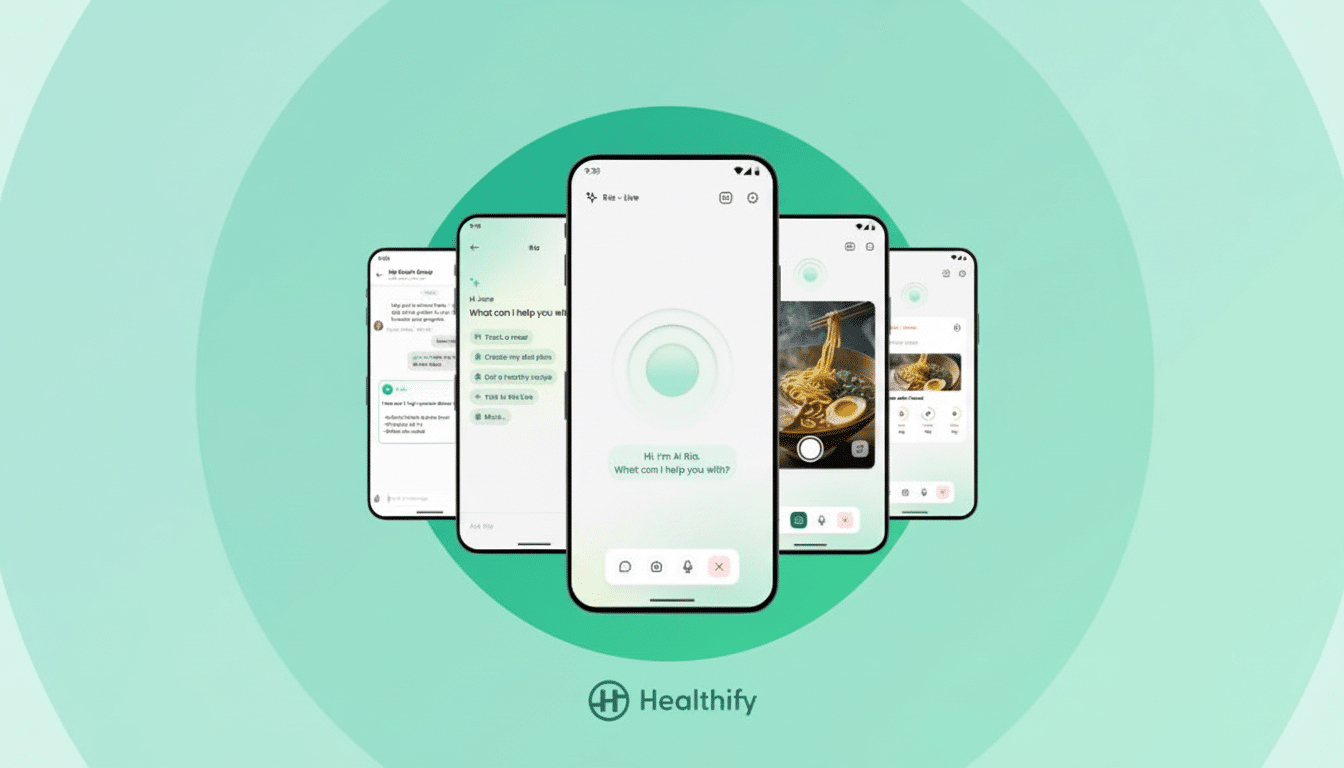
It pulls from fitness trackers, sleep monitors and continuous glucose monitors to detect patterns around exercise, rest, readiness and glucose variability — then suggests actionable next steps instead of generic advice.
More importantly, the assistant now does multiple tasks all in one sitting. You can analyze trends, create a strength or cardio plan, choose daily goals and record missed meals without having to switch screens. Forget to log lunch? Give a detailed voice description and Ria will add it to your diary with macros estimated and portion context.
Multilingual voice and vision for seamless logging and guidance
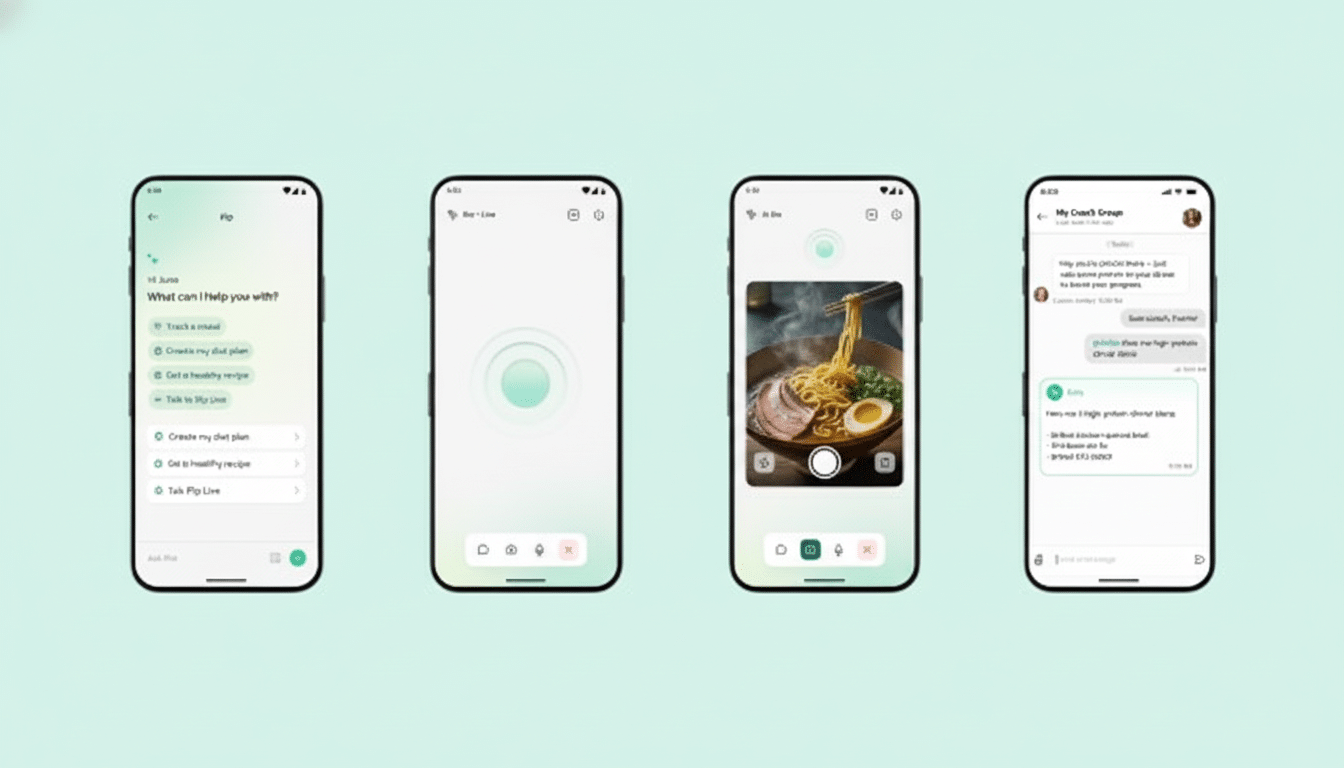
Ria is available in over 50 languages, including 14 Indian languages and the capability of accepting a mix of Hinglish or Spanglish — crucial in places where language mixing is typical. Aim the camera at a plate and ask, “What are you looking at?” Ria will identify common foods, estimate nutrition and provide logging options. It can also scan your photo gallery for any meals you didn’t log and suggest entries that you may have skipped.
In a demonstration, Healthify also showcased how Ria runs on Ray-Ban Meta smart glasses, allowing for hands-free conversation while simultaneously taking photos of meals to snap on the go. The company is tapping OpenAI models to drive the live conversational mode today and indicates that it may be introducing other model options in response to its customers’ future requirements.
Coaches in the loop with memory and session summaries
And finally: It’s more than something you do for yourself; now Ria steps into your chats and calls with your coach or nutritionist.
It can draw on historical data, answer routine questions when there isn’t a human coach around and even transcribe the session to identify clear takeaways. Healthify is adding persistent memory onto its model stack so the assistant can remember long-term preferences, dietary restrictions and evolving health goals without constantly asking.
These suggestions are based on years of anonymized coach–user conversations, the company says, which allows the system to sidestep generic one-size-fits-all advice that runs rife in most wellness bots.
Pricing expansion and partnerships for the U.S. launch
The company, which says it has more than 45 million registered users and millions of monthly actives, is launching in the U.S. a new AI plan priced at $20 per month that includes the updated Ria as well as meal planning. The company had previously tried text-based AI plans paired with certified nutrition coaches, and is about to announce partnerships around GLP-1–aided weight loss programs.
Where Healthify will go from here: On the data side, DeMerse says his company would like to add deeper integrations with health-tracking device makers so Ria can reason across more streams — steps, heart rate variability, sleep stages and glucose — without manual import. Management also hinted that with robust U.S. traction, a fresh funding round could be in the offing.
How it stacks up against existing voice and vision diet apps
Voice and vision for inputting what you eat isn’t entirely new — apps like MyFitnessPal, Alma, Cal AI and Ladder have played around with text entry, voice entry or image capture. Healthify’s “thing” is that real-time, conversational follow-through combined with multi-source data aggregation and memory layering results in better adherence and more relevant coaching. This framing is consistent with behavioral science: reducing friction and providing just-in-time prompts tend to increase habit formation and long-term engagement.
The timing is favorable. WHO highlighted obesity and metabolic disease as rising worldwide, and continuous tracking tools — from CGMs to consumer wearables — are increasingly de rigueur. Transforming those fragmented data points into a straightforward back-and-forth conversation facilitating what to eat, when to train and when to recover is the type of utility users will engage with daily.
Privacy and safety questions around memory and data sharing
With any health assistant that remembers context and processes sensitive information, privacy and explainability are important. Healthify says it is laying down a persistent memory layer on top of its model infrastructure; in operation, people will want straightforward control over what is stored, how that information is being used and shared with coaches or device partners. Besides the need for transparent defaults and granular opt-in/out, trust can only be built up at scale (as regulations add a lot of additional burden in some markets compared to others).
The takeaway: a lower-friction path to healthier habits daily
Ria’s live, voice-and-vision upgrade turns Healthify from a tracker-with-insight to a conversational guide with eyes and ears that can remember.
If performance matches promise — rapid, accurate responses, pertinent suggestions and no-hassle logging — it could lower the amount of work needed to stick with a plan in a meaningful way, which is ultimately always the most difficult part of getting healthier.
