


Hallow is the un-Catholic Catholic prayer app that has become wildly popular, catapulted into the spotlight thanks to celebrity endorsements and an ardent conservative fan base (including high-profile MAGA-aligned influencers). The app’s ascent has transformed a niche faith-tech product into a mainstream curiosity, as champions laud its spiritual orientation and detractors snoop through its politics, privacy settings and “pay-to-pray” business model.
What Hallow is, its features and how it works
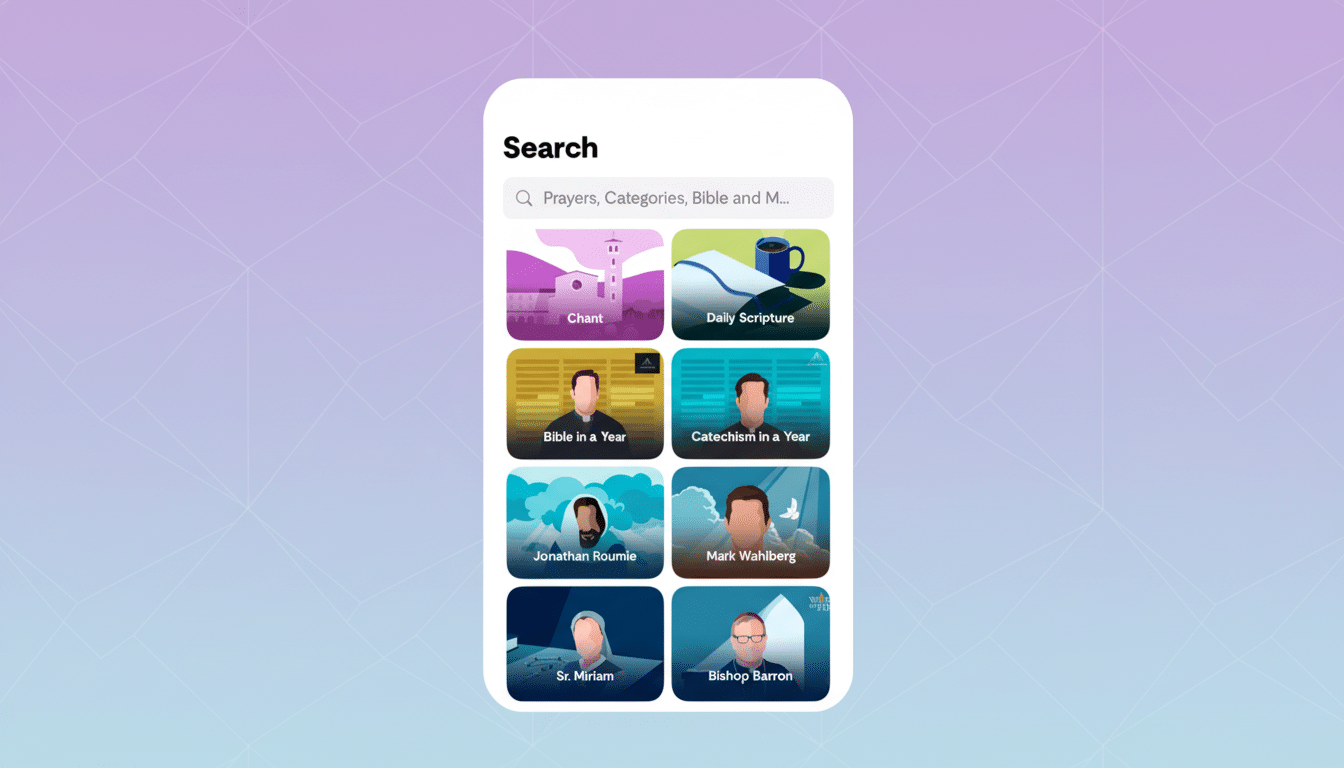
Created as a high-quality complement to daily prayer, Hallow combines guided Catholic prayers with meditation-style audio, sleep music and meditations for Advent and Lent. Users can pray the Rosary, do Lectio Divina, study family-friendly tracks or follow themed series by clergy, theologians and popular voices.
The app was founded by Alex Jones (the tech entrepreneur, not the conspiracy theorist) and his Catholic cofounders, with a product that mirrors the polish of mainstream wellness apps. There is a free tier that offers basic content, and a complete library that hides behind a subscription, usually available either monthly or annually, with family plans as well as institutional access at schools and parishes.
Hallow bills itself as a spiritual answer to screen fatigue, borrowing popular engagement mechanics from Calm and Headspace (streaks, bite-size sessions, push reminders) to lure users back to prayer during busy days.
Who is behind Hallow and promoting it today
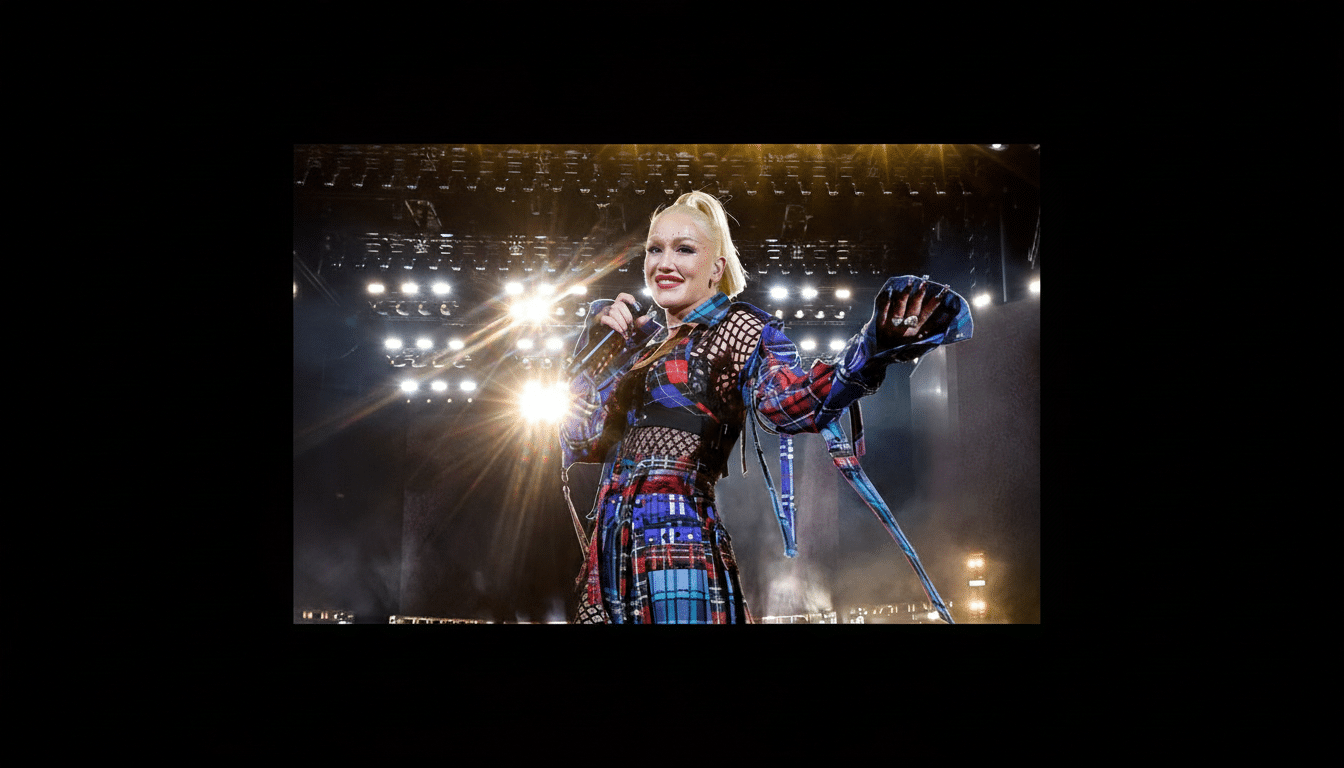
Celebrity partnerships have been central. Gwen Stefani, Mark Wahlberg, Chris Pratt, Mario Lopez and Kevin James have highlighted Hallow’s struggles and its seasonal offering. The company has also gained high-profile visibility via a Super Bowl spot and cross-platform influencer campaigns aimed at nudging lapsed Catholics back into prayer.
On the finance front, the app has drawn heavyweight venture investment. Money from Peter Thiel — wealth backed by the billionaire investor Peter Thiel — is among investors in a large round that represents Silicon Valley’s view that there is room for faith-oriented mobile services to grow, Mike Isaac reports for The New York Times. Election-cycle reporting from main outlets, including The Guardian, has linked more Trump-tastic figures (like J.D. Vance) to early interest in investing in the app’s growth.
The buzz has real impact. App store intelligence companies have monitored Hallow spiking into top charts around liturgical seasons, such as Advent and Lent, as well as in the wake of high-profile endorsements — a signal that influencer-driven outreach translates to downloads and free trial conversions.
The appeal for the political right and MAGA spheres
Hallow’s content follows an unapologetically orthodox line on life and family — it gives a voice to pro-life advocacy, conservative Catholic media. For many on the right, particularly in MAGA spheres, that clarity is a feature, not a bug: an unabashed foil to dry secular wellness and its tentacles; one that tugs at spiritual strings (Bible-thumping does), wrapped as it is in traditions.
That same positioning fuels backlash. Critics say the app conflates pastoral care with political messaging, and it alarms them as well as delights them for potentially turning prayer into a premium product. The term “pay-to-pray,” which has been circulating derisively online, reflects a more general unease with the spread of subscription business models into the realm of sacred tradition.
Privacy and monetization concerns around Hallow
Data of faith is inherently sensitive. Privacy researchers and digital rights organizations like the Electronic Frontier Foundation have cautioned that apps that collect information about religion or information related to health would need to hold themselves to a high standard. In Europe, religious beliefs are considered special-category data by regulators and require a higher standard of consent and processing under GDPR.
Hallow says it follows the law and focuses on prayer, not profiling. Still, users are increasingly wondering how prayer streaks and confessional prompts or intent-based content are stored — as well as if analytics could be used for targeting. For the company to succeed, clarity will be everything around data practices and meaningful controls.
The faith-tech market in focus and Hallow’s rivals
Hallow occupies a fast-maturing space along with Pray.com, Glorify and Abide, taking playbooks from wellness apps and audio streaming. Predictable download waves are provided by seasonal liturgical rhythms while celebrity readings and community challenges aid retention. Market analysts point out that spirituality and mental wellness are increasingly converging in app behavior, as people look for calmer routines and accountability tools.
Pew Research has tracked changing religious affiliations in the U.S., although a large majority of Americans are still Christian, and interest in digital spirituality spans age levels. That leaves open space for products that will make ancient practices into things we do on our devices — if they can survive polarization and privacy expectations.
Bottom line on Hallow’s rise, endorsements and scrutiny
Hallow is a glossy Catholic prayer app that has perfected the techniques of modern growth: subscriptions, seasons and star power. It is championed by conservatives, amplified on social media by entertainers like Gwen Stefani, and financed in large part by tech-world money linked to Peter Thiel — all of which help drive downloads and carry an accompanying level of scrutiny. Whether you view it as a prayerful on-ramp or a politicized product offering, Hallow has turned Catholic devotion into a prime-time app store tale.
