


Hundreds of environmental and community groups from all 50 states are calling on Congress to stop authorizing new artificial intelligence data centers, warning that the unchecked growth in creating such centers endangers grid reliability, household energy costs and local water supplies. In a coalition letter organized by Food & Water Watch and endorsed by over 350 groups, advocates demand a nationwide moratorium on new facilities until strong federal protections and full disclosure rules are put in place.
What the Coalition Wants from Congress on AI Data Centers
The authors of the letter contend that the rapid buildout of AI infrastructure is scaling faster than public oversight. It features the rising cost of electricity for households, saying that average U.S. power bills had increased over 21% since 2021 and claiming new data center demand is a “major force” behind that price hike in various municipalities. The groups are calling on Congress to halt approvals and mandate wide-ranging environmental reviews, assessments of grid impacts and public disclosure of energy and water use.
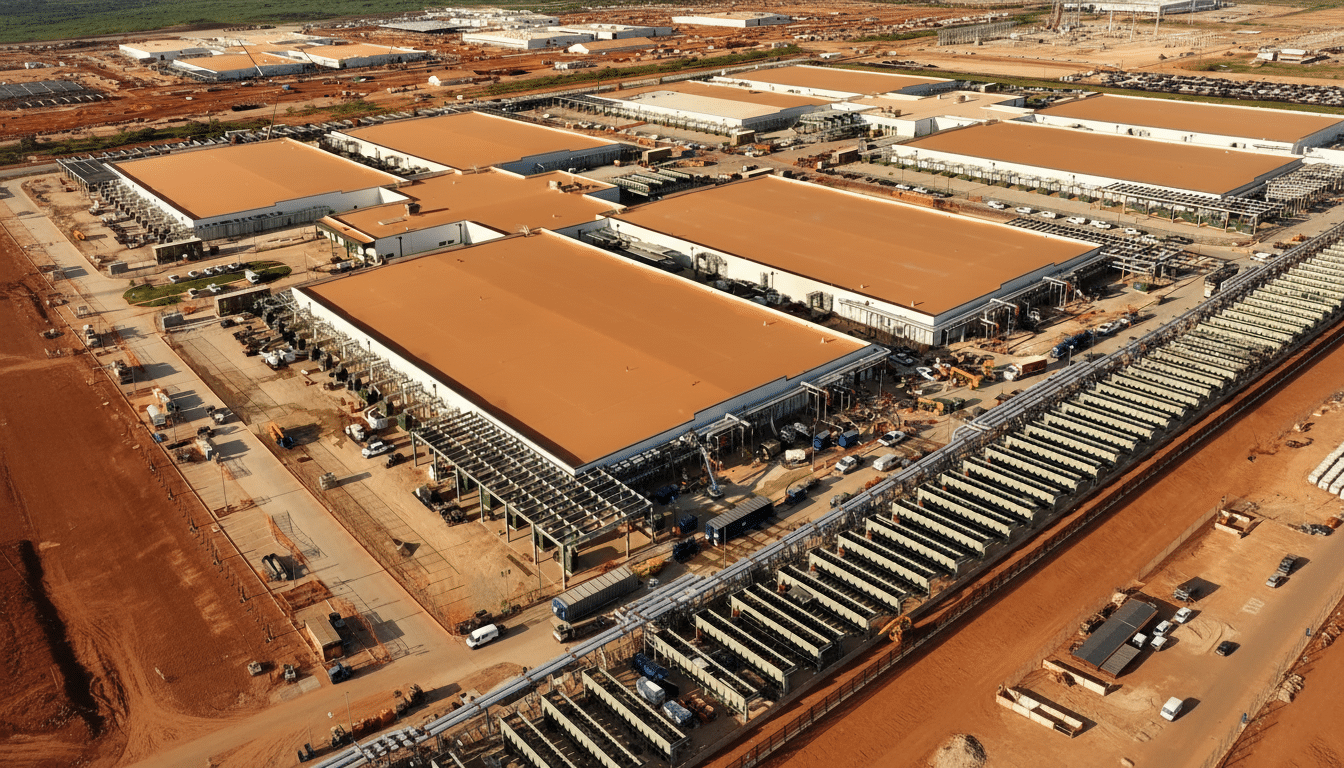
Advocates also point to high-profile siting fights as proof of growing local backlash. An OpenAI-related project called “Stargate” has stirred opposition in, for example, Michigan, where its proposed build on farmland and significant power and water requirements have led to pushback. Similar tensions have arisen in Northern Virginia, Georgia, Ohio and Texas as utilities rush to keep up with concentrated, round-the-clock loads.
The Power and Water Footprint of AI Data Centers
The underlying concern is scale. Under what the coalition considers a reasonable growth scenario, U.S. data centers would pull as much power as tens of millions of homes use and consume water in similar ways — perhaps as much electricity as 30 million households do and just under the amount of water consumption of 18.5 million households. The International Energy Agency has predicted that the world’s data center electricity demand could more than double by 2026, and experts point to AI and crypto mining as two big reasons.
Transparency is another sticking point. The Government Accountability Office says that training and deploying generative AI could carry significant energy use, carbon emissions, and water consumption costs — but standardized reporting is rare. Hints can be found in corporate sustainability reports — Microsoft described a 34 percent year-over-year increase in water consumption associated in part with the growth of its artificial intelligence offering, while Google reported a 20 percent rise — but experts say facility-level data are frequently proprietary, leaving regulators and communities guessing.
Efficiency improvements are not keeping up with demand. Today’s state-of-the-art facilities achieve power-usage effectiveness (PUE) in the range of 1.1 to 1.3, but the scale-up trends for model training and inference overshadow PUE gains. Advanced cooling facilities, such as water-recycling and evaporative systems that reduce electricity demands, can be a way to increase water withdrawal — a problem in drought-prone areas.
Grid Reliability and Ratepayer Risk from AI Expansion
Local grid planners are seeing unprecedented load growth in areas near major cloud campuses. Utilities in PJM territory have adjusted demand forecasts upward as “Data Center Alley” in Northern Virginia expands into the double-digit gigawatt range. Texas and Georgia have made similar warnings, with proposals for new generation — typically gas-fired — popping up to meet 24/7 demand.
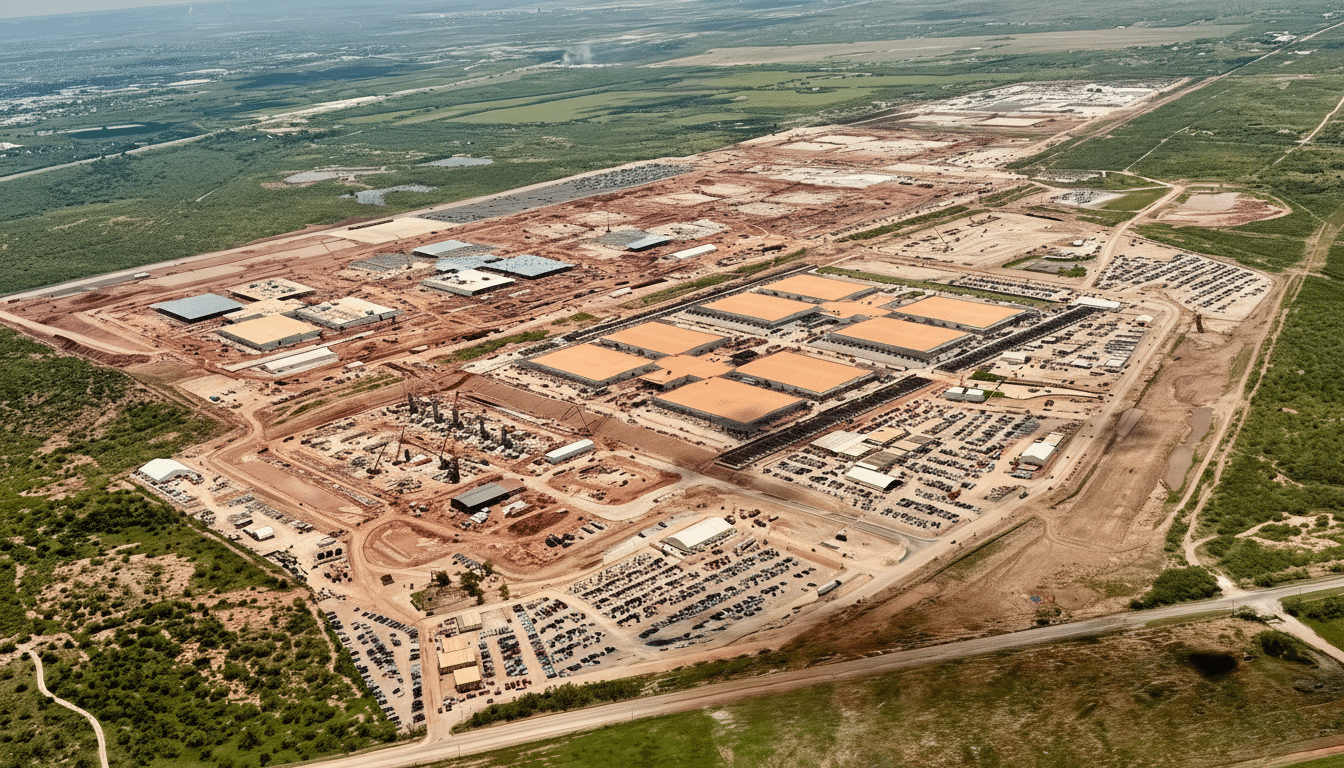
Because so much of the nation’s electricity still comes from fossil fuels, advocates say that the AI boom could lock in higher emissions and a steeper rate curve too. They observe that expensive grid upgrades, new peak plants and long-distance transmission lines typically get spread across all customers in the rate base, driving up bills even for households far from the server farms themselves benefiting from the capacity.
What a Federal Framework Might Require for AI Sites
Not only are the groups urging a pause in entering into any more of the agreements, they detail specific oversight tools. They include real-time energy, water withdrawal and emissions disclosures that all must standardize; siting regulations to safeguard farmland and sensitive ecosystems; restrictions on cooling water in stressed basins; and the procurement (and verification) of additional carbon-free power matched hourly to load for broad numbers of large campuses.
They are also demanding that federal agencies prioritize grid reliability, affordability for residents and small businesses, require onsite energy efficiency and heat-reuse plans, and mandate demand flexibility so facilities reduce consumption during local peaks. And importantly, they want a moratorium on new approvals until these protections are implemented and enforceable.
Industry Response and the Crossroads in AI Data Policy
Cloud providers contend that they are the country’s biggest purchasers of clean energy and have aggressive goals for achieving 24/7 carbon-free operations. Companies, for their part, cite record renewable power purchase agreements, experiments with long-duration storage, nuclear partnerships and next-generation cooling. But skeptics point out a temporal misalignment between intermittent renewables and constant AI loads, and question whether procurement claims translate into real-world cuts in emissions at the grid level.
Now, Congress confronts a stark policy choice: let the market dictate where and how AI campuses multiply, or provide guardrails across the nation before the next wave gets plugged into America’s power grid. As households experience a surging bill burden and water stress in key areas continues to grow, the coalition’s call for a moratorium has firmly planted what is at heart an intricate technical question in mainstream politics — and creates a problem for policymakers to provide clear rules of the road for an industry that is expanding at unprecedented pace.
