


Google Wallet is preparing a meaningful quality-of-life upgrade that tackles one of the app’s most persistent pain points: incomplete and siloed transaction history on mobile. Evidence in recent Google Play Services release notes points to unified, cross-device transaction listings and new search tools, promising a clearer, more accurate record of what you’ve paid for and where.
Today, tapping a card in the Wallet app on Android typically reveals only the last 10 transactions made on that specific phone. Purchases from a Wear OS watch, a second handset, or anything older vanish from view unless you visit Google’s web dashboard. That gap has frustrated heavy users and anyone trying to reconcile expenses on the go.
- What’s Changing in Google Wallet’s Transaction History
- Why a unified cross-device Wallet history matters
- Virtual card support brings online orders into view
- How unified history and search could work in Wallet
- Privacy controls and device-level history settings
- How this update compares with rival mobile wallets
- Bottom line: a single, trustworthy Wallet history
What’s Changing in Google Wallet’s Transaction History
Release notes for Google Play Services version 26.01 indicate users will “view transactions from other devices and online purchases that use virtual card numbers,” according to reporting by 9to5Google. In parallel, strings found in Google Wallet version 25.1.x reference in-app search preparation, hinting at filters and queries that surface older or device-agnostic records without leaving the mobile app.
In practical terms, that means a grocery tap from your watch, a transit fare from your phone, and an online order paid with a virtual card number should all appear in one consolidated list. If Google follows its typical pattern, the feature will likely rely on a server-side switch guided by Play Services and Wallet app updates, rolling out in stages.
Why a unified cross-device Wallet history matters
A reliable ledger is foundational for budgeting, returns, and dispute checks. For many users, Wallet has become the default cash register for daily life, but limited on-device history creates blind spots. A unified history reduces the need to hop between the web, bank apps, and receipts stuffed in email, and it should speed up tasks like finding that ride share from last week or matching a tap-to-pay charge to a merchant.
The update also acknowledges how people actually pay now. Digital wallets dominate online and are rapidly gaining at the point of sale. Worldpay’s Global Payments Report estimates that digital wallets account for roughly 50% of global e-commerce transaction value and about 30% at physical checkout, underscoring why a single, accurate history view is no longer a nice-to-have.
Virtual card support brings online orders into view
Support for transactions using virtual card numbers is especially notable. These tokenized numbers, widely promoted by major networks and issuers, provide an extra layer of security for online purchases by masking your real card credentials. Historically, that mask could also obscure your view in Wallet, making it tricky to line up online orders with your spending timeline. Surfacing those charges alongside tap-to-pay transactions should make reconciliation and fraud spotting easier.
How unified history and search could work in Wallet
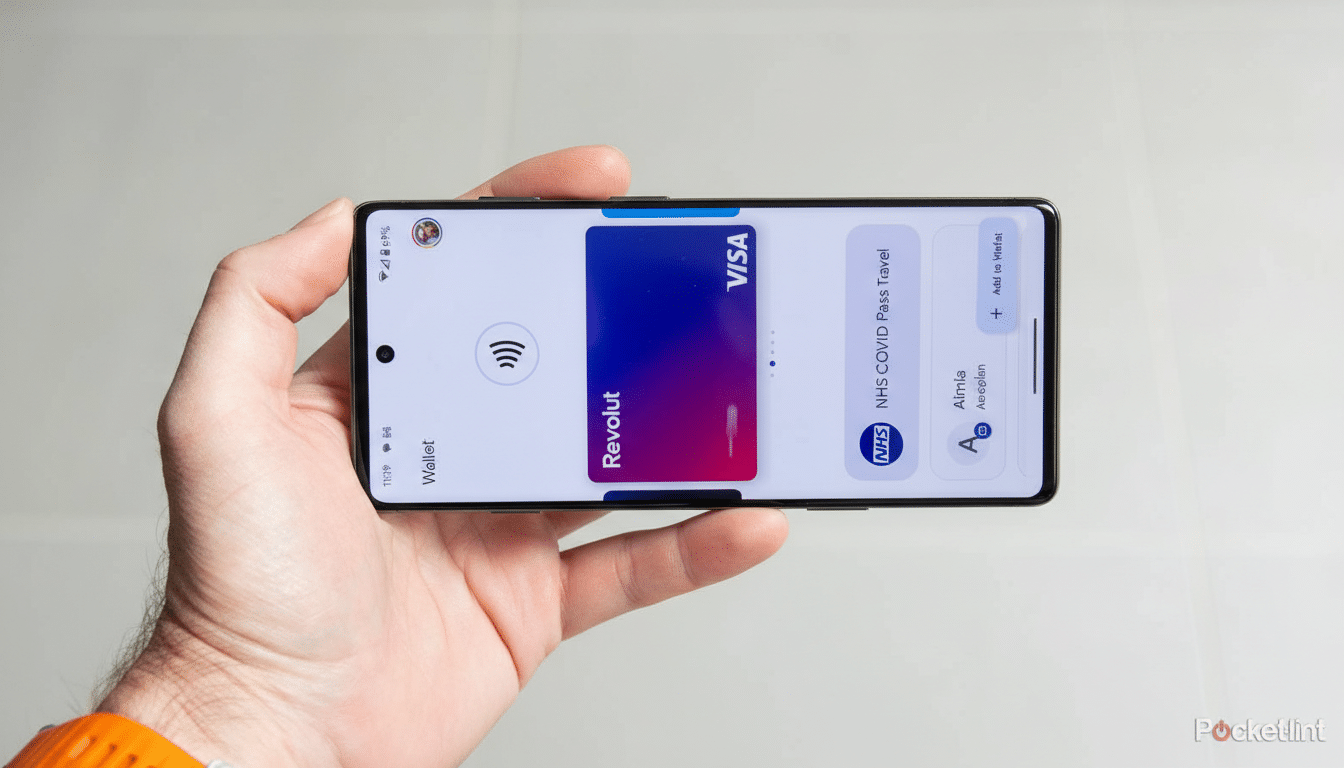
Expect familiar search paradigms: merchant names, amounts, and date ranges are the obvious starting points, with potential filters for payment method, device, or channel (in-store vs. online). If the company mirrors its web interface conventions, you might see a running ledger with expandable detail pages, including merchant locations, last four digits of the card, and support links for disputes or returns.
An example scenario: You pay for coffee on your watch in the morning, order groceries online with a virtual card at lunch, and tap your phone to board a train in the evening. Instead of three separate trails — watch-only, web-only, and phone-only — Wallet would present all three in one searchable feed on your phone.
Privacy controls and device-level history settings
Cross-device aggregation inevitably raises privacy questions. Google typically ties Wallet activity to your account with robust device-level permissions, and the company’s payments products already rely on encrypted storage and tokenization. For this change to land well, clear settings for managing which devices contribute to your history — and easy ways to hide, export, or delete entries — will be essential. User-facing transparency around how virtual card data is mapped back to your account should also be expected.
How this update compares with rival mobile wallets
This move brings the mobile experience closer to the more complete web view and tightens parity with rival wallets. Apple Wallet centralizes Apple Card transactions with rich categorization, while Samsung Wallet leans on bank apps for full statements. A coherent, searchable history inside Google’s app would reduce friction for Android users and strengthen the case for Wallet as the default hub for everyday spending.
Bottom line: a single, trustworthy Wallet history
For an app used at checkout lines and online carts millions of times a day, missing or fragmented history has been an obvious gap. The upcoming cross-device view and search capability — signposted in Play Services and Wallet builds — aim to close it. If the rollout proceeds smoothly, Android users should finally get a single, trustworthy source of truth for their recent spending, no matter which device or card format they used.
