


Google is drawing a line in the sand for longtime Fitbit users. If your Fitbit account predates the Google sign-in era, you’ll need to move your data to a Google account by May or risk losing years of health history, including heart rate trends, workouts, sleep logs, and GPS routes. The shift finalizes Google’s effort to consolidate Fitbit under its broader account system.
What The Deadline Means For Your Fitbit Data
Users who don’t migrate will eventually lose access to historical Fitbit data tied to their old login. That matters more than it might sound: resting heart rate baselines, long-term sleep efficiency, VO2 max estimates, and training load patterns are all built on longitudinal data. Once deleted, those trendlines can’t be reconstructed.
- What The Deadline Means For Your Fitbit Data
- How To Move Your Fitbit Account To Google
- Privacy And Ads: What Google Promises Fitbit Users
- Why Google Is Consolidating Fitbit Accounts
- What Happens If You Miss The Migration Cutoff
- Who Is Affected And Why It Matters For Fitbit Users
- Bottom Line: Move Your Fitbit Data Before The Deadline
Google has indicated there will be a brief grace period after the cutoff to manually download an export of your records, but it won’t last indefinitely. If you rely on years of insights—say, to track recovery from an injury or measure the impact of new training—treat this as a hard deadline.
How To Move Your Fitbit Account To Google
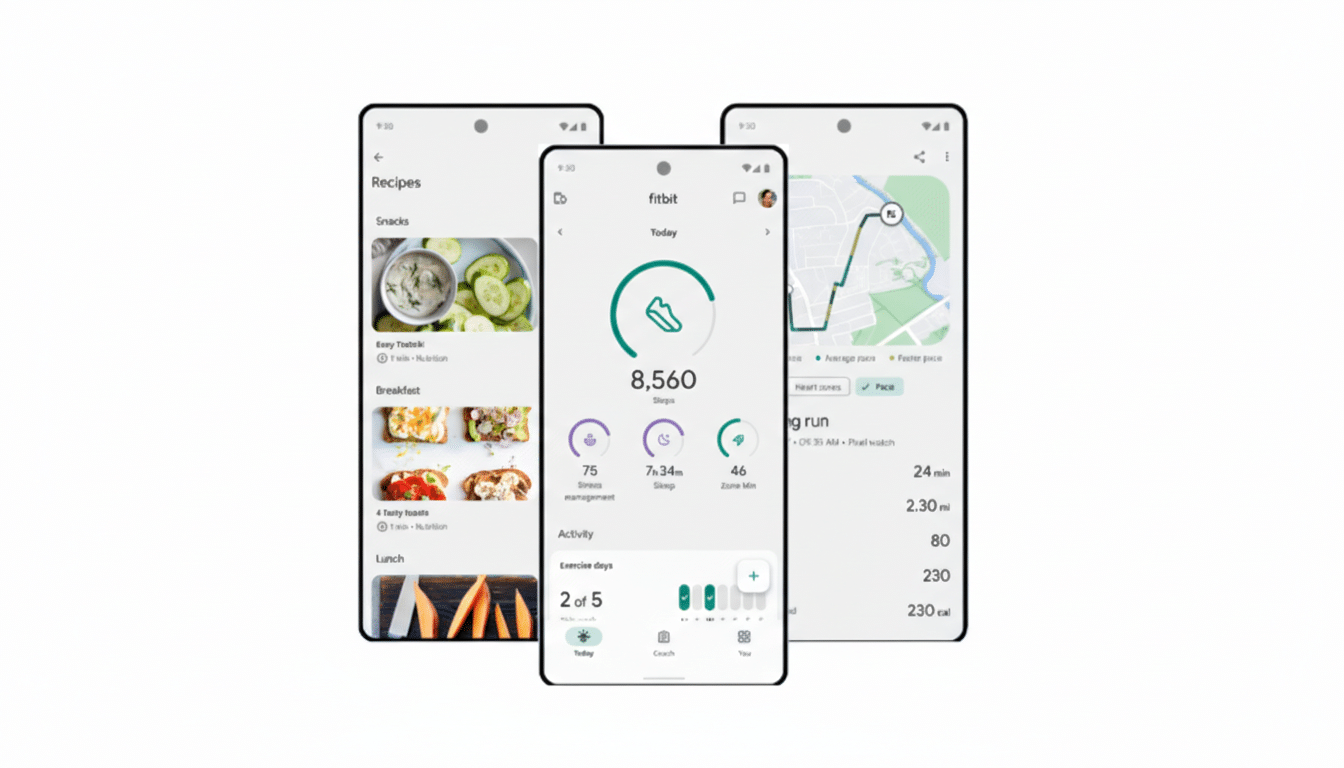
The migration is handled in the Fitbit app. Open Settings, choose Move Account, and follow the prompts to select a Google account. You can cancel anytime until the final confirmation screen, but once you complete the move, it can’t be reversed.
Before you start, verify which Google account you want to use and enable two-step verification or passkeys for added protection. If you manage multiple Google accounts, double-check you’re signed into the right one on your phone to avoid mistakenly parking your health data in the wrong place.
Privacy And Ads: What Google Promises Fitbit Users
Google says Fitbit health and wellness data are siloed from its advertising systems, and it does not use this data for Google Ads. That pledge echoes commitments the company made to global regulators, including the European Commission, when it acquired Fitbit. Practically speaking, your step counts, sleep windows, and cardio fitness scores are not signals for ad targeting, and they remain governed by Fitbit’s health data controls inside your Google Account.
The upside of consolidation is stronger, standardized security and privacy tooling. Centralized account controls, Security Checkup, activity logs, and downloadable data exports through Google’s account portal make it easier to see what’s stored, revoke access, and take your information with you if needed.
Why Google Is Consolidating Fitbit Accounts
Since the acquisition, Google has been aligning Fitbit with its hardware and software stack, from Android Health integrations to Pixel Watch support. Migrating legacy Fitbit accounts brings everyone under the same authentication system, which reduces support complexity and enables features like passkeys and unified device management across phones, watches, and trackers.

It also clears technical debt left from Fitbit’s standalone infrastructure. Over time, Google has wound down older Fitbit community features and streamlined services to focus on core health metrics, coaching, and smartwatch compatibility. Consolidation is the final step.
What Happens If You Miss The Migration Cutoff
If you don’t migrate in time, your account will lose access to historical data as deletion begins. Google has said there will be a window to manually download your information, but once deletion is complete, the records are gone. To protect your archive, consider exporting a backup now via the Fitbit account dashboard’s data export tools in addition to migrating—belt and suspenders.
Be aware that migrating is account-level, not device-level. If you’ve used multiple Fitbits—or a mix of a tracker and a smartwatch—your combined history follows your account during the move.
Who Is Affected And Why It Matters For Fitbit Users
The change primarily impacts people who created a Fitbit login before Google accounts became mandatory for new sign-ups and device activations. Newer users are already set. For everyone else, this is about safeguarding cumulative context: the multi-year picture that turns raw steps and beats per minute into meaningful trends.
Wearables are no longer niche; research from Pew indicates roughly 1 in 5 U.S. adults uses a smartwatch or fitness tracker. For many, that represents several years of routine, sleep, and cardio data—exactly the kind of history that athletes, clinicians, and coaches find useful when spotting anomalies or measuring progress.
Bottom Line: Move Your Fitbit Data Before The Deadline
If you value your Fitbit history, move it now. The process takes a few minutes, locks in your long-term trends, and brings your account under Google’s security umbrella without feeding your health data into ads. Waiting risks losing the most valuable part of your fitness story—the arc over time.
