


Google’s newest budget phone, the Pixel 10a, lands squarely in that tricky space where small changes matter most. On paper it mirrors the Pixel 9a in size, battery, and cameras, and it even sticks with the same Tensor G4 silicon. Yet a handful of targeted upgrades—brighter, tougher glass up front, faster charging, and satellite safety—make the case that this is more than a nameplate refresh.
If you already own a Pixel 9a, the calculus is complicated. Everyday performance and photo quality will feel familiar. But for first-time buyers eyeing the sub-$500 bracket or anyone who values outdoor readability and emergency features, the 10a is the stronger pick.
- Display brightness and durability upgrades explained
- Battery life and faster wired and wireless charging
- Performance parity and long-term software support
- Cameras, AI features, and helpful shooting tricks
- Connectivity options and new emergency safety features
- Price, value, and whether Pixel 9a owners should upgrade
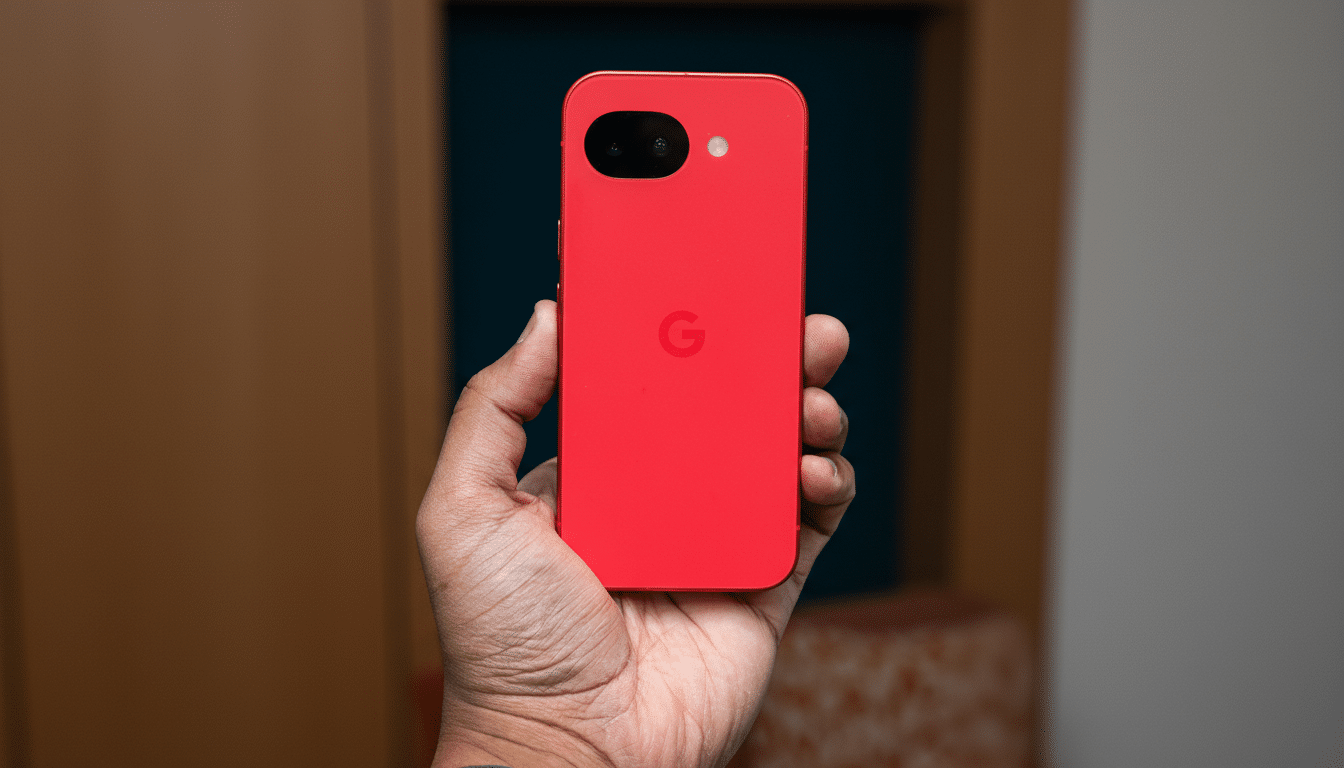
Display brightness and durability upgrades explained
Both phones use a 6.3-inch OLED that can vary between 60 Hz and 120 Hz, but the 10a’s panel is objectively punchier. According to Google’s published specifications, high-brightness mode climbs from 1,800 nits on the 9a to 2,000 nits on the 10a, while HDR peak rises from 2,700 to 3,000 nits—roughly an 11% lift in each case. That modest-sounding bump is noticeable on sunny sidewalks and car dashboards, where legibility is won in small margins.
Contrast is rated above 2,000,000:1 on the 10a, double the 9a’s figure, deepening blacks and making HDR scenes pop with less blooming. Protection also steps up: Corning Gorilla Glass 7i replaces Gorilla Glass 3, which Corning says improves both scratch and drop resistance—welcome insurance for a phone meant to live case-free for many buyers.
Battery life and faster wired and wireless charging
Capacity holds steady at 5,100 mAh, so endurance shouldn’t radically differ in mixed use. The bigger change is how quickly the 10a refuels. Wired charging moves from 23 W on the 9a to 30 W on the 10a, a roughly 30% bump. Wireless charging also improves from 7.5 W to 10 W, up about 33%. In practice, that means shorter top-ups during coffee breaks and more useful wireless pads on desks and nightstands.
There’s still no native magnetic alignment system for wireless accessories, and as with recent Pixels, expect to bring your own power adapter. But if battery anxiety steers your purchase, the faster charging alone is one of the 10a’s most tangible quality-of-life gains.
Performance parity and long-term software support
Google keeps the drivetrain the same: both the Pixel 10a and Pixel 9a run on Tensor G4 with 8 GB of RAM. Day-to-day, that translates to indistinguishable responsiveness in messaging, maps, social apps, and casual games. The 10a’s base storage option reaches 256 GB—a practical win if you capture lots of video or prefer offline media.
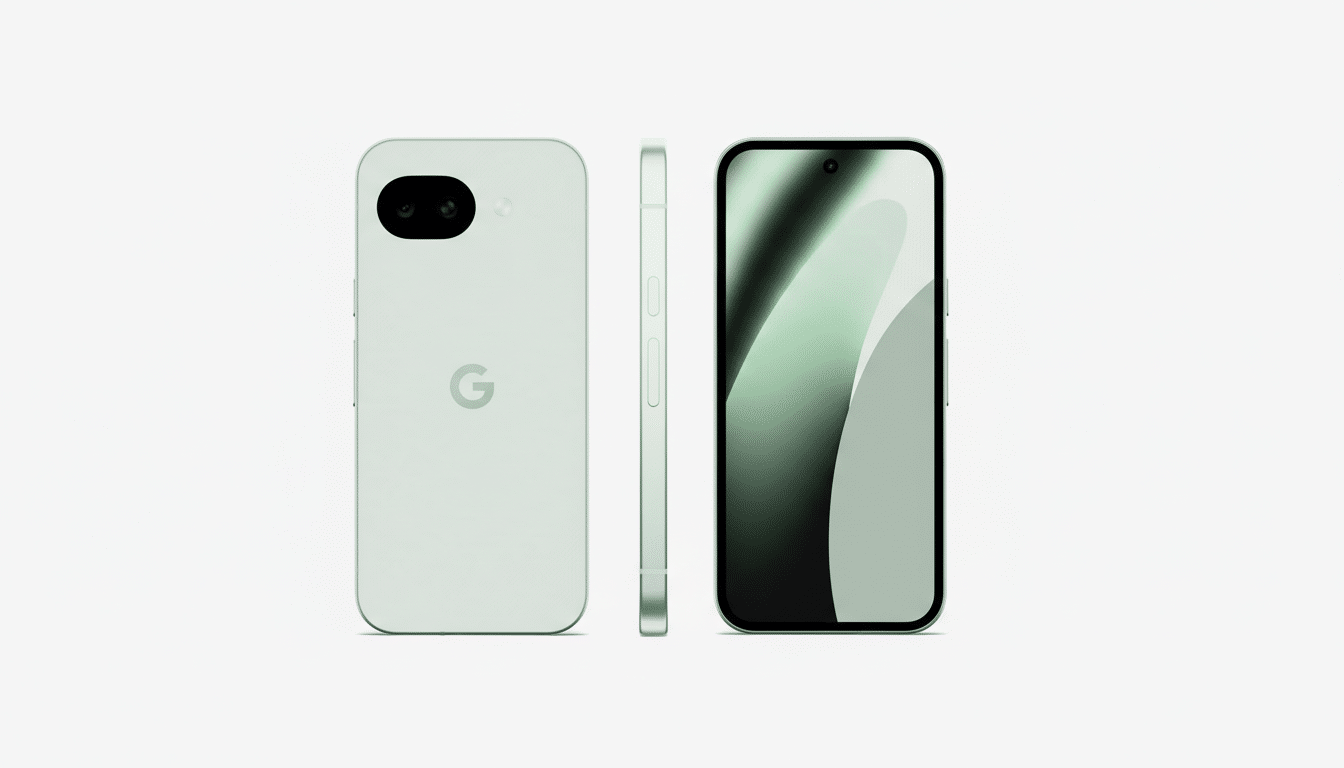
Thermals and raw GPU throughput remain midrange, so demanding 3D titles will still throttle sooner than on pricier flagships. On the upside, security and OS longevity remain a Pixel calling card. Google’s multi-year update policy, aligned with the Pixel 9 family, means buyers can expect long software support—crucial for value retention in the budget tier.
Cameras, AI features, and helpful shooting tricks
Hardware stays put: a 48 MP main camera with f/1.7 aperture, a 13 MP ultrawide with a 120-degree field of view, and a 13 MP selfie camera. That’s no slight—the 9a already punched above its price, and the 10a inherits the same dependable image pipeline. You still get the hallmarks that made Pixels popular: HDR+ exposure stacking, Night Sight, and Real Tone color rendering that handles diverse skin tones with care.
Where the 10a stretches is in software flair drawn from Google’s higher-end models. Features like Camera Coach offer on-screen tips, Auto Best Take helps fix group shots with wandering eyes, and Macro Focus tightens up close-ups. These are polishing touches, not reinventions, but they reduce the number of shots you need to retry—an underrated win for everyday shooters.
Connectivity options and new emergency safety features
The standout “new” is Satellite SOS. When you’re off-grid without cellular or Wi‑Fi, the 10a can connect to satellites to relay messages to emergency services. That puts a serious safety net into one of the most affordable phones to offer it. Apple popularized this capability on premium iPhones, and seeing it arrive in the budget lane signals a welcome shift toward universal access to critical connectivity.
Price, value, and whether Pixel 9a owners should upgrade
In a category where, as IDC has noted, sub-$500 phones account for a significant share of shipments, small improvements can swing buying decisions. If you own a Pixel 9a and it’s still humming along, the 10a’s brighter screen, tougher glass, faster charging, and Satellite SOS are nice-to-haves rather than must-haves. You won’t see a leap in speed or camera hardware.
If you’re buying fresh, the Pixel 10a is the safer long-term bet at its price, especially for outdoor readability and emergency peace of mind. Bargain hunters who spot a Pixel 9a dipping near or below $400 still get excellent photos and battery life for less, but the 10a’s targeted upgrades make it the more future-ready choice in Google’s budget lineup.
