


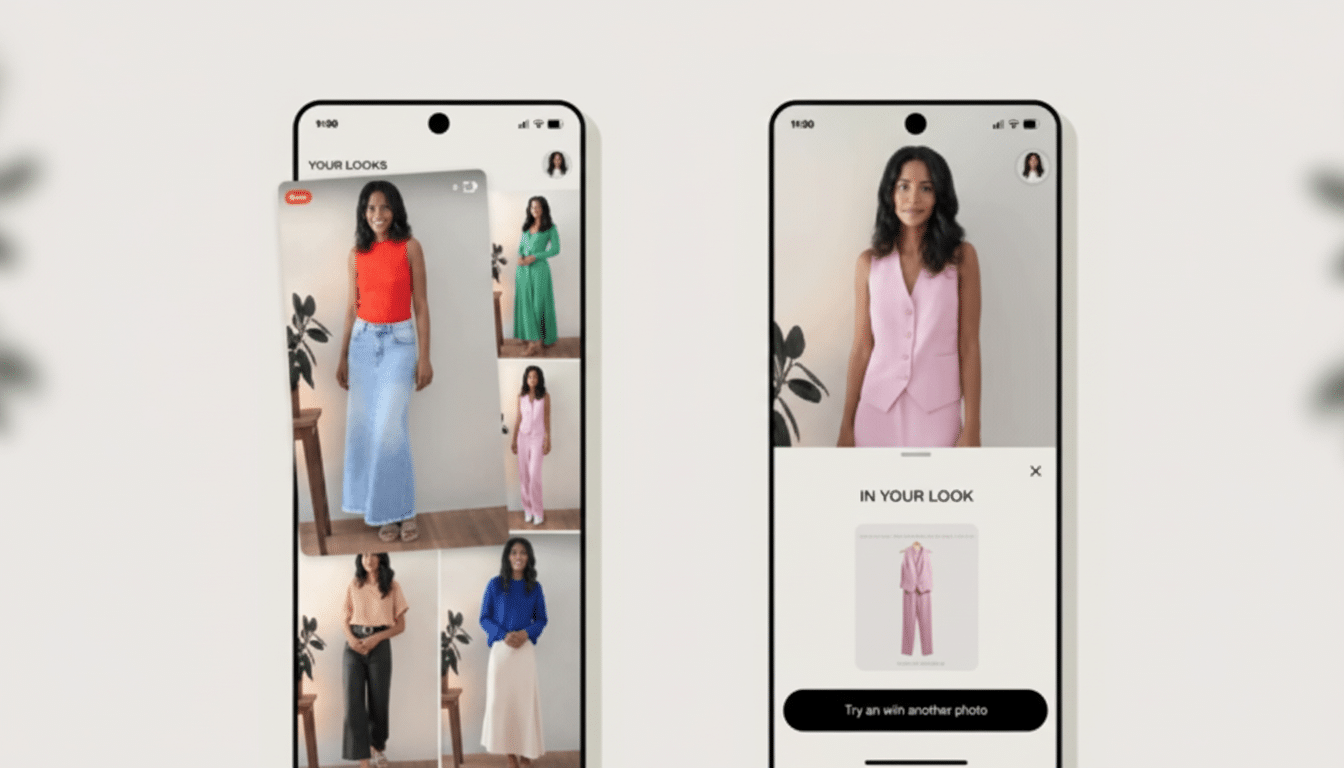
Google is expanding a push into AI-aided shopping with a new shoppable discovery feature inside Doppl, the company’s experimental try-on app that shows you what clothes could look like worn on your body. The update transforms Doppl from a pure virtual try-on tool into a browsable, commerce-enabled experience intended to prompt impulse discovery and frictionless purchase.
How to use the new Doppl shoppable discovery feed effectively
AI-generated videos playing with real products and full outfits appear in the discovery feed. Items are personalized for the style preferences users indicate in Doppl and their engagement in the app, before being connected directly with merchants for purchase.
- How to use the new Doppl shoppable discovery feed effectively
- Why Google’s AI discovery feed matters for modern commerce
- AI shopping content without influencers: benefits and risks
- Personalization and responsible design for AI-led shopping feeds
- Availability timeline for Doppl and expected next steps in rollout
- What retailers should do now to prepare for Doppl’s AI merchandising

The difference, however, is that while social shopping feeds were built around human creators, this stream is completely synthetic. Doppl already makes a virtual version of you for try-ons; the feed expands that to turning stills into motion, so you can imagine how something like a fabric might drape or a sleeve move or a silhouette hang — context which shoppers often lose from static e-commerce pictures.
The system’s value prop is speed and scale: AI can spin up infinite outfit combinations across sizes, colors and textures, and match stuff straight to your profile without wasting time waiting for studio shoots or influencer posts.
Why Google’s AI discovery feed matters for modern commerce
Product discovery has been revolutionized by short-form video, and retail is following suit. From TikTok and Instagram to Amazon’s Inspire and YouTube’s shopping options, platforms have trained consumers to scroll and buy. Google is tailoring that behavior to its strengths: breadth of product through the Shopping Graph, connectivity with merchants via Merchant Center, and on-device AI.
AI-generated feeds also help solve a logistics problem. Brands are challenged to make enough high-quality creative for every SKU, size and body type. Synthetic models and motion can fill in gaps, especially for long-tail inventory. Shopify notes that merchants who use 3D and AR assets can experience a conversion lift of nearly 94%, signifying the importance of enhanced visual appeal on purchasing behavior.
Trend in the overall market is up. Accenture has projected that by 2025, global social commerce might approach $1.2 trillion on the strength of video-led discovery and frictionless checkout. If Doppl can deliver qualified traffic into merchant carts, it gives Google a new on-ramp to that spend.
AI shopping content without influencers: benefits and risks
An AI video-only feed is still uncharted territory, but it’s not some wild fantasy any longer. While it remains to be seen whether such a grand experiment will change how we all consume video, if recent launches of AI-only short video experiences are any indication — like “Vibes” on a large assistant app driven by artificial intelligence or an AI video platform from one of the top research labs — audiences will at least try. The open question is trust: Are shoppers going to require a human host for them to believe in the fit and feel of fabric, or is high-fidelity simulation sufficient?
There are trade-offs. Cutting out creators decreases reliance on influencer economics and accelerates the rate at which content is made, but it also forfeits the social proof that motivates a lot of purchases. You can expect Google to rely on quality controls, style fidelity and clear labeling to build trust in synthetic product hawking.
Personalization and responsible design for AI-led shopping feeds
“Doppl’s recommendations are based off of signals users opt in to share—what styles they like, what items they save and how they interact with the app,” Doppl said. To make an AI feed helpful instead of intrusive, controls are important. Savvy shoppers will seek transparent mechanisms to reset or refine their style profile, grasp when content is sponsored and see how synthetic media is labeled.
Regulators are paying attention. Regulators for consumer protection have focused on the need for transparency in endorsements and synthetic media. Doppl is an experiment, but its approach to labeling and disclosures could be a template for AI-led commerce experiences elsewhere within Google’s portfolio.
Availability timeline for Doppl and expected next steps in rollout
The discovery feed of shoppable items is beginning to roll out now on Doppl on iOS and Android, in the U.S., for users 18 years and over. Early adopters can count on ongoing iteration as Google tweaks ranking, visual fidelity and merchant integrations.
Keep an eye out for three signals of movement:
- Brands start offering more 3D assets and robust product data to enhance the simulations.
- Doppl tests in-app checkout via Google Pay to reduce drop-off.
- This AI merchandising format reaches adjacent surfaces like YouTube Shorts or Search results.
What retailers should do now to prepare for Doppl’s AI merchandising
There are ways that retailers can ready themselves, including:
- Tighten product feeds in Merchant Center.
- Invest in consistent imagery and 3D assets.
- Ensure size, fit and material attributes are machine-readable.
Brands with a point of view on styling can unlock Doppl’s potential by feeding the AI more robust metadata to work off, so that it isn’t just serving up looks but serving up on-brand ones.
Measure what you manage: track assisted conversions and return rates of AI try-ons versus standard PDP categories. If on-platform accuracy for synthetic model does in fact reduce returns or ramp first-conversion, then the model is no longer an unjustifiable line item in your performance mix.
Doppl’s new feed combines the addictiveness of short-form discovery with the utility of try-on. If Google can cultivate trust and provide measurable lift through merchants, AI-driven merchandising could go from novelty to how some people shop.
