


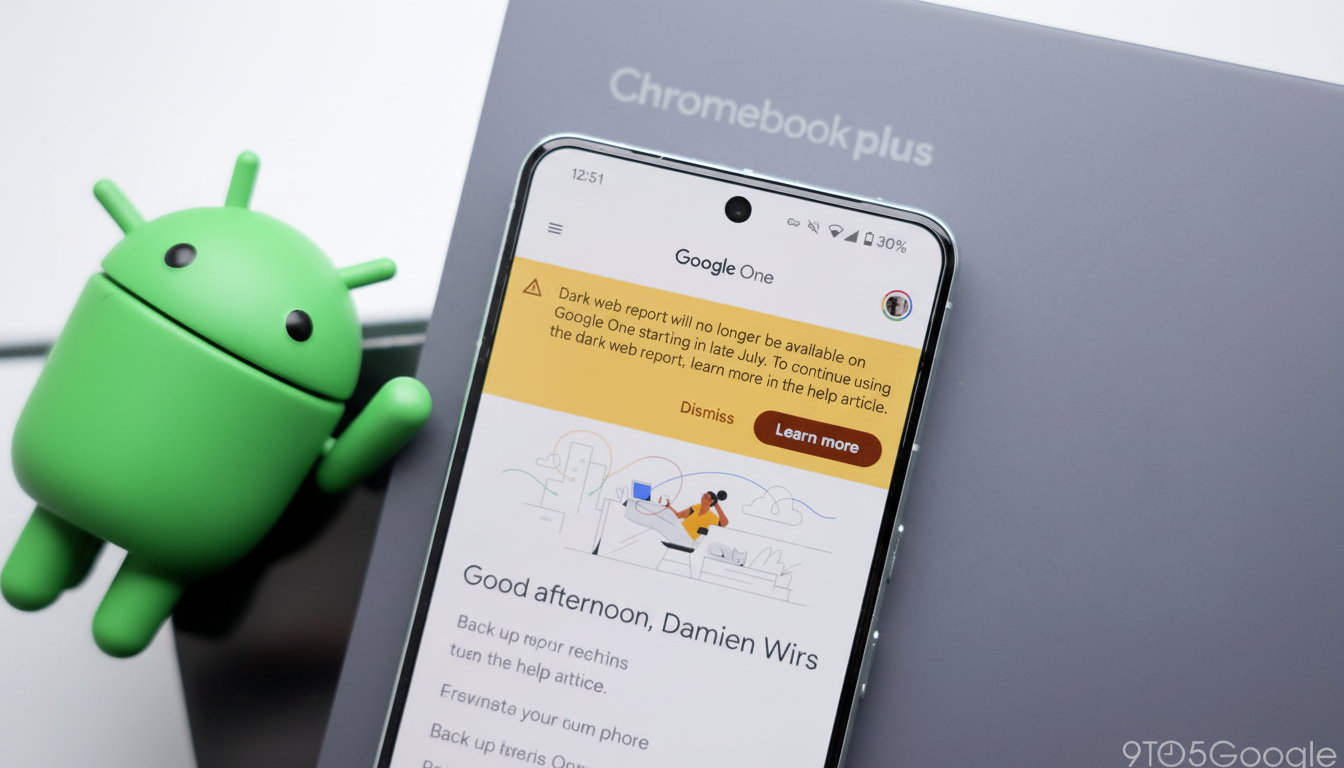
Google is getting rid of its Dark Web Report, the consumer-facing feature that searched known breach dumps for users’ personal data at the time it became visible on criminal forums. The company has already started halting new scans in anticipation of the shutdown, and any monitoring data that had been collected will be removed once the feature is retired, it said.
What Is Changing with Google’s Dark Web Report Shutdown
Originally launched through Google One and then expanded, Dark Web Report enabled users to set up a monitoring profile for things such as email addresses, phone numbers, and Social Security numbers. If those identifiers appeared in black markets or leaked databases that Google’s partners had access to, users received a note in their account dashboard.

Google now says the feature didn’t always provide people with actionable next steps for recovering from a hit, something that has been echoed in user feedback via its community forums and Reddit discussions. Instead of keeping a passive alerting mechanism, the firm will focus on built-in security features that will trigger easy remediation within the account environment.
Why Google Is Ending Dark Web Report and Its Rationale
“Dark web monitoring sounds definitive,” she said, “but it has structural limitations. The vast majority of alerts are raised by credentials or identity data that were breached months or years before the alert is even generated. A number of breach dumps — like this one about Brazilian diplomatic emails last month — are incomplete, mislabeled, or sold on the street before they become searchable at all; and some never come to public light. That’s made it hard for any one service to identify the specific account at risk or recommend a customized fix beyond the familiar advice that victims should change their passwords and be on the lookout for fraud.”
Google’s support advice indicates the company would like to nudge users into following controls that ultimately can block account takeover in real time: Security Checkup for hardening accounts, Password Manager to eliminate password reuse and generate unique passwords, Password Checkup for knowledge of compromised logins, and phishing and malware protections that step in before damage is done. The move was first spotted by industry observers at 9to5Google, with Google’s help center offering a bit more explanation.
What Users Can Do Now to Protect Accounts and Data
Google says it will no longer conduct monitoring if you’ve previously created a profile in advance of the shutdown, and it will also delete any saved results after scanning stops.
How do I remove my profile? You can delete your profile before it’s even tagged by following these steps:
- Open “Results with your info.”
- Select “Edit monitoring profile.”
- Choose “Delete monitoring profile.”
To keep up like that, focus on the actions that shut off the most common paths of fraud:
- Turn on multifactor authentication wherever it’s available, opting for app or passkey-based prompts over SMS.
- Eliminate password reuse with a reputable password manager and rotate any credentials that appear in Password Checkup.
- Freeze your credit at the three major bureaus to deter new-account fraud.
- Set up transaction alerts with your bank and mobile carrier to detect SIM-swap attempts.
- Use web services such as Have I Been Pwned to be alerted when an email shows up in recently disclosed breaches.
What This Means for the Future of Dark Web Monitoring
Google’s demobilization doesn’t prove that dark web alerts are a waste of time; it simply reaffirms they’re not in and of themselves a defense. Even paid “dark web scan” services from the credit bureaus and consumer security brands frequently draw on a mixture of both types of breach feeds, and often suffer from the same visibility limitations. The Identity Theft Resource Center has tallied record numbers of data compromises in the U.S., more than 3,200 incidents, meaning the exposed data will continue to spread regardless of any single tool’s status. The takeaway: expect some of your information to already be out there and harden the systems attackers might try to use against you.
That perspective is in line with broader breach research pulled from various independent reports, including the Verizon Data Breach Investigations Report that points to the human aspect as being at the heart of most incidents. Mechanisms that decrease the value of stolen data — unique passwords, strong authentication, rapid device patching, and steady recovery workflows — predictably improve against passive monitoring to reduce real-world harm.
The Bottom Line on Google’s Dark Web Report Decision
Dark Web Report was an antidote, and sometimes a fairly early warning, offering reassurance not always coupled with next steps for users. Google is gambling that by combining prophylactic, account-level defenses — and clamping down harder when a credential does turn out to be exposed — the company will be able to deliver more tangible safety than it would get by chasing every leak across opaque marketplaces.
If you frequented the Dark Web Report service, spend five minutes in Security Checkup, enable multifactor prompts, review saved logins, and freeze your credit. Those steps dilute the most popular attack paths today, and they will continue to work for a long time even if any one monitoring tool goes away.
