


Google is temporarily pulling the Take a Message feature from a subset of Pixel 4 and Pixel 5 phones after confirming a bug that, in rare situations, could let callers hear background audio during a missed call. Core call screening remains available, and users can fall back to standard carrier voicemail while Google works on a fix.
Why Google Temporarily Pulled the Take a Message Feature
The company acknowledged reports that Take a Message did not fully isolate the call path in very specific conditions. Instead of a clean, automated prompt to leave a message, some callers briefly heard ambient sounds from the phone owner’s side. That behavior is a clear privacy lapse, even if it’s fleeting and hard to reproduce.
- Why Google Temporarily Pulled the Take a Message Feature
- Who Is Affected and What Still Works on Pixel Phones
- What Take a Message Was Designed to Do on Pixels
- Privacy Stakes and Industry Context for Call Features
- What Pixel Owners Should Do Now to Stay Protected
- What Comes Next for Take a Message on Pixel Phones
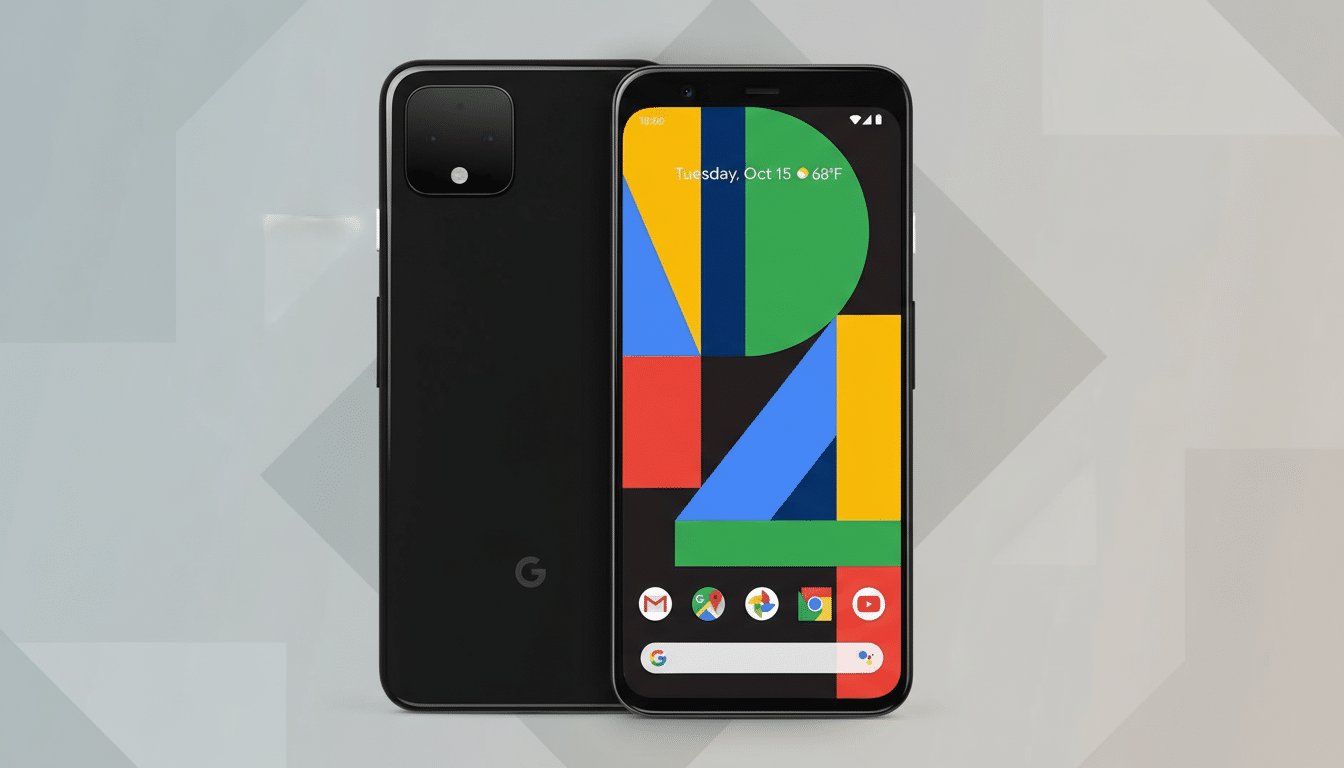
A community manager, Siri Tejaswini, noted on Google’s support forums that the problem affects a “very small subset” of Pixel 4 and Pixel 5 devices under “very specific and rare circumstances.” Out of caution, Google is disabling Take a Message on those models and pausing elements of the newer Call Screen experience implicated in the issue.
Who Is Affected and What Still Works on Pixel Phones
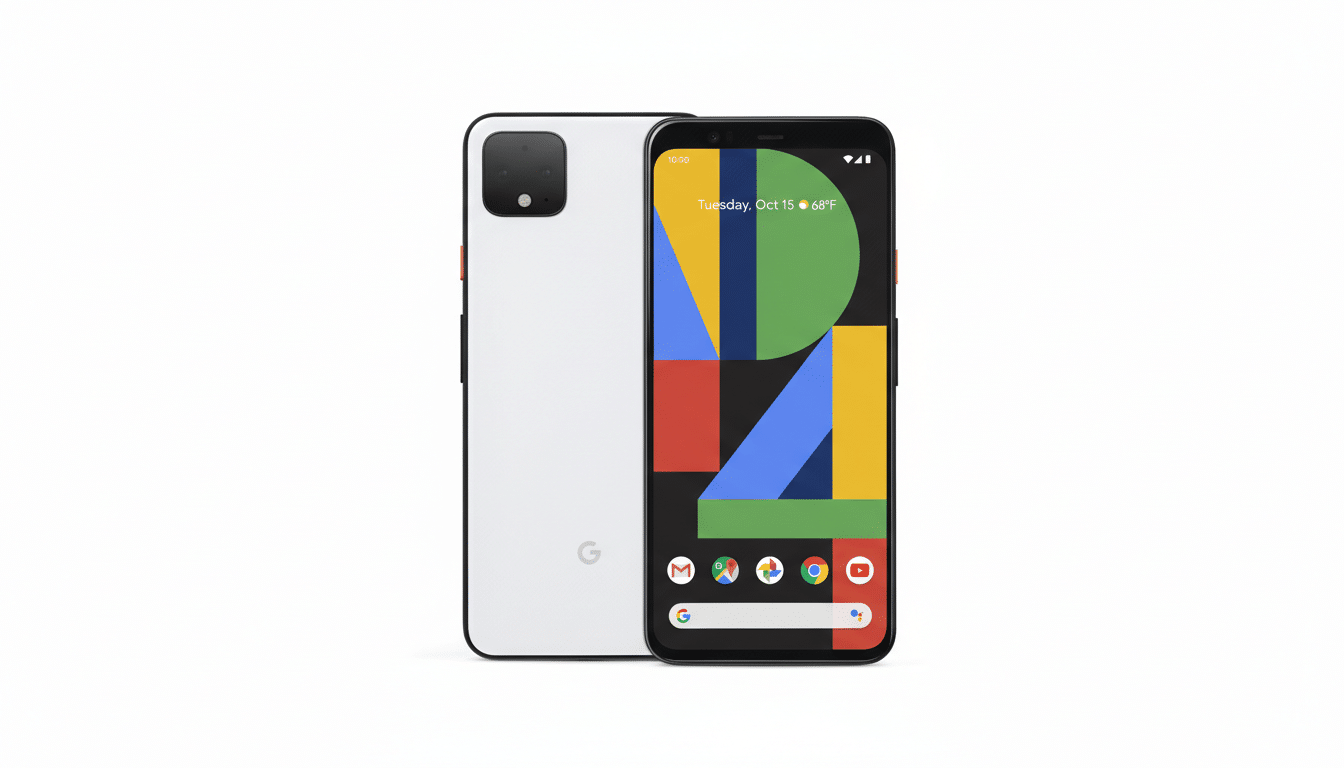
According to Google, the confirmed impact is limited to certain Pixel 4 and Pixel 5 units. The company has not indicated any effect on later Pixel generations. Manual and automatic Call Screen continue to function, and callers can always be routed to standard carrier voicemail without using Take a Message.
Importantly, the reported behavior appears tied to the Take a Message workflow rather than to traditional voicemail. If you rely on carrier voicemail, nothing changes—and callers should not be able to hear any ambient audio on your side before leaving a message.
What Take a Message Was Designed to Do on Pixels
Introduced alongside newer Pixel experiences, Take a Message was built to modernize missed calls. Instead of sending a caller to carrier voicemail, the feature captures a short audio snippet, generates a live transcript, and places the summary directly into your call history in the Phone app. The idea: faster triage and less time digging through voicemail menus.
That convenience depends on airtight audio routing. When software fails to fully separate the caller from the device’s microphone until the prompt is active, you risk a brief but meaningful leak of background sounds—exactly the scenario Google is now addressing.
Privacy Stakes and Industry Context for Call Features
Audio privacy bugs, while uncommon, draw heightened scrutiny because they mimic eavesdropping. The high-profile Group FaceTime flaw in 2019, which could let callers hear audio before a call was accepted, underscored how a small timing or state-management error can have outsized consequences.
For Google, even a limited-scope issue matters. Pixel’s share of the U.S. smartphone market has hovered around the low single digits in recent quarters per Counterpoint Research, but trust is a force multiplier—especially for AI-driven calling features that process voice in real time. A 1% edge case is still too high when the risk is unintended listening.
What Pixel Owners Should Do Now to Stay Protected
If you use a Pixel 4 or Pixel 5 and recently tried Take a Message, confirm the feature is disabled in the Phone app, allow pending app updates, and rely on carrier voicemail or standard Call Screen. If you want extra assurance, place a test call from another line to verify that callers hear only the usual prompts and not room noise.
It’s also wise to review microphone permissions and ensure you’re running the latest Google Play system updates. While this issue stems from the feature’s call-handling logic rather than a permission setting, staying current minimizes risk as patches roll out.
What Comes Next for Take a Message on Pixel Phones
Google has not shared a timeline for restoring Take a Message on impacted devices. A fix will likely arrive via an update to the Phone app, a server-side configuration change, or a broader Pixel software update. Expect the company to harden call isolation, add stricter state checks, and expand internal testing around edge cases before re-enabling the feature.
Until then, Pixel owners still have robust tools to screen calls, and your fallback—plain old carrier voicemail—remains unaffected. The takeaway is clear: Google is prioritizing privacy over convenience while it ensures Take a Message behaves as intended.
