


Today, Google is officially rolling out Emergency Live Video on Android, a consent-based capability that allows verified emergency dispatchers to request a live feed securely from the caller’s phone during an emergency call. It’s a strength-in-numbers approach that draws on the Android safety stack, helping first responders react to unfolding situations more quickly and accurately when words alone are not enough — or feasible.
How Emergency Live Video Works on Android phones
A 911 or similar emergency operator can prompt your phone to start streaming live video when additional context is needed. You can share what you see in real time with a tap. By default, the stream is encrypted and you can always deny a request or stop sharing at any time. And callers can’t do a live video session of their own accord: A verified public-safety dispatcher has to initiate the request.
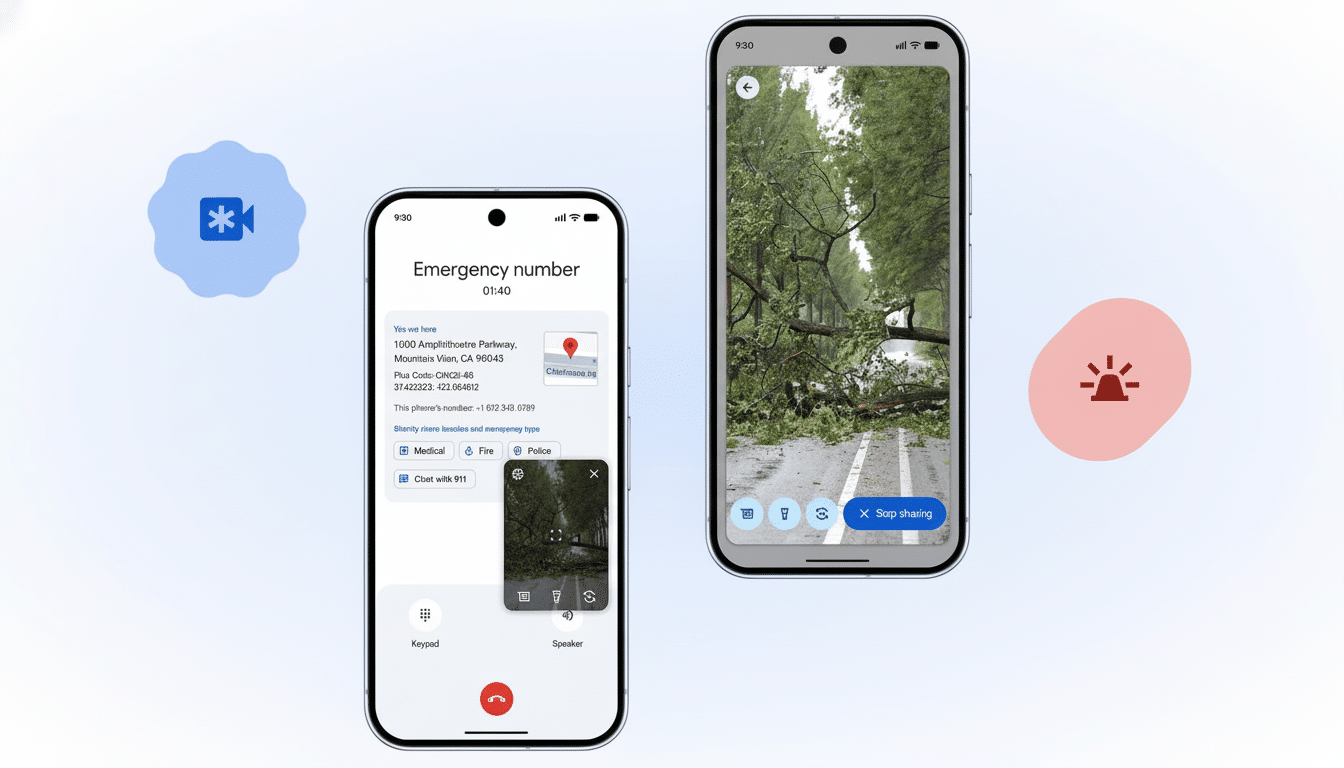
The idea of the approach is to diminish miscommunication and expedite triage. Consider such situations as a caller pinned in a vehicle, a house fire with no visibility or a medical emergency and the person who can’t speak. A brief, permissive video peek can offer responders instant guidance on severity, dangers and required resources.
Where Emergency Live Video Is Available and Launch Areas
Emergency Live Video will launch in the US and is available only in select areas of Germany and Mexico. Google says it is working with public-safety agencies to extend coverage over time as additional emergency centers upgrade their systems and training.
It will work on Android phones from version 8 and higher, running Google Play Services — meaning most recent versions of active Android devices. You don’t need any special app, only something supported by your local emergency communications center.
Why It Matters For 911 And Public Safety
The overwhelming majority of calls to US 911 centers come from mobile phones, according to the Federal Communications Commission, a circumstance that has sped up the transition to “Next Generation 911” (NG911). Live video is the latest evolution of this progression, joining location sharing and text-to-911 where available.
Real-world deployments elsewhere offer an upside. British services operating on platforms like GoodSAM have reported quicker triage and more accurate resource allocation when dispatchers can see the conditions at the scene. Video helps call-takers verify whether there’s a visible injury, fire spread, amount of flooding or a weapon — all crucial information that can change the type and urgency of the response.
For vulnerable callers, for example those who are unable to safely speak or use sign language, a brief video can be the difference between ambiguity and certainty. It could also enable more efficient, hands-free instructions to bystanders giving CPR or first aid until help arrives.
Privacy and Security Considerations for Live Video
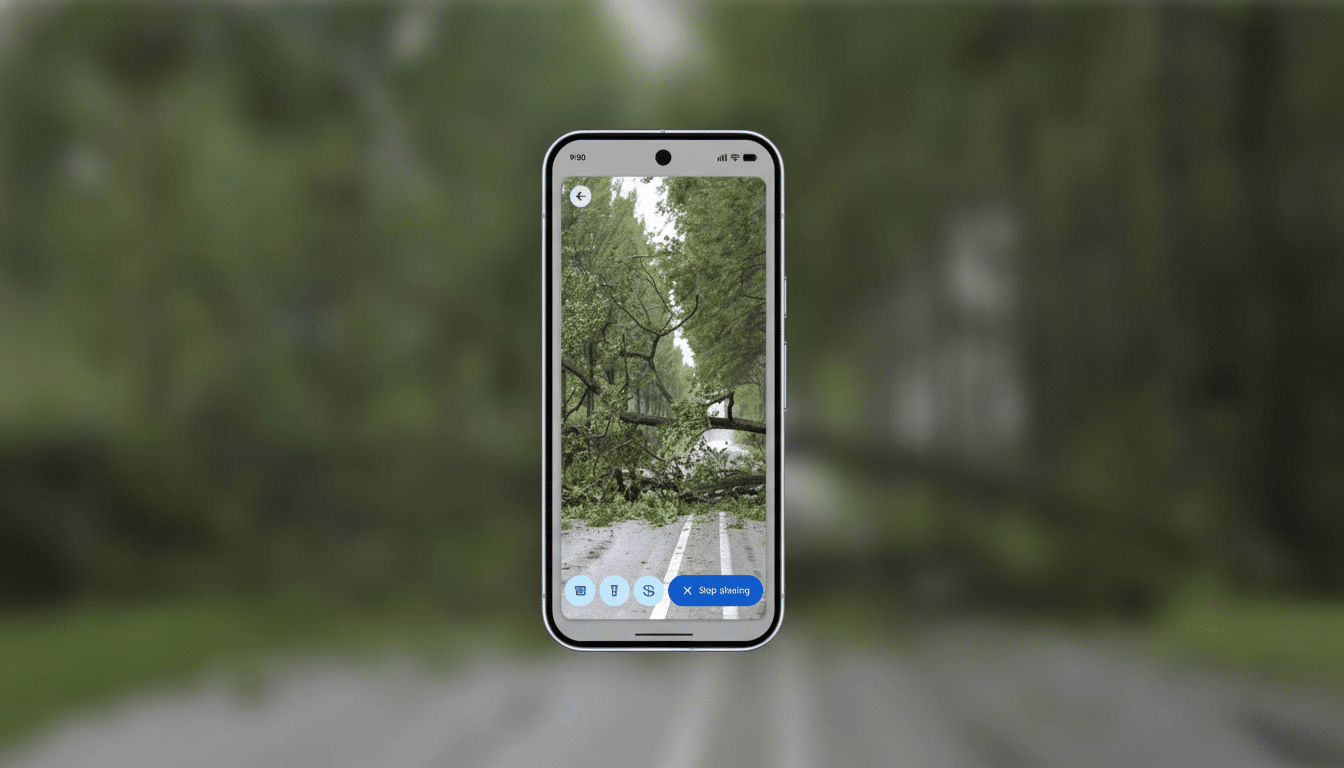
Video streams are encrypted and entirely opt-in, with easy controls to decline or end sharing at any time, Google says. Only verified emergency response personnel can ask for a feed, which serves as a deterrent to misuse and phishing-like requests. That verification layer is in line with public-safety standards that are being pushed for by organizations like the National Emergency Number Association.
There are key questions for the agencies:
- How long, if at all, recordings are kept
- Who can retrieve them
- How they are safeguarded against unauthorized disclosure
Departments are expected to look to their evidence-handling and transparency policies already in place for guidance on the retention, redaction and public records requests associated with these recordings, much like they do when dealing with footage from body-worn cameras.
Where It Fits in Android’s Safety and SOS Stack
Emergency Live Video will work in concert with Android’s Emergency Location Service and Advanced Mobile Location, which are already routing accurate location information to many emergency call centers.
It also joins stuff like Safety Check, Crash Detection (on some devices), and SOS functionality that surfaces important information to first responders on their contact-tracing maps.
That makes this emphasis on dispatcher-initiated video noteworthy when compared with other, more consumer-facing offerings. Instead of letting people stream at will, the Android design places control in the hands of trained call-takers; that’s how PSAPs currently operate today and it means there is no danger of overwhelming centers with unregulated streams.
What to Expect Next as Agencies Adopt the Feature
Broad adoption will depend on PSAP readiness, training and bandwidth realities. Agencies using NG911 systems and dispatch call-handling software that’s up to date should be able to onboard faster. (Users “don’t need to do anything ahead of time,” other than to ensure that Google Play Services are current and to listen for dispatcher instructions during an emergency, the company said.)
If past implementations of safety features are any indication, the coverage will grow region by region as public-safety partners come online. It’s simple, really: Provide responders with the best possible information when they need it most, without sacrificing user control or privacy.
