


DDR5 memory prices in Germany have shifted into neutral, defying broader global price volatility—except in one corner of the market. Fresh retail tracking from 3DCenter shows desktop DDR5 modules holding flat for weeks, while laptop-focused SODIMM kits bucked the trend with abrupt, uneven increases.
DDR5 Desktop Pricing Pauses After A Year Of Turbulence
According to 3DCenter’s rolling basket of German retail listings, DDR5 desktop kits have seen virtually no movement recently, a notable plateau after steep run-ups last year across DRAM and storage. The same dataset notes only mild lifts for legacy desktop standards, with DDR4 and DDR3 hovering in the low single digits over the most recent month.
This stall comes after extraordinary swings since last summer, when memory and storage categories frequently posted triple-digit gains amid constrained supply and surging server demand. Germany now appears to be an outlier in the short term, with competitive retail channels and stocked shelves helping dampen week-to-week DDR5 fluctuations.
The One Exception: SODIMM Gets Choppy on Pricing
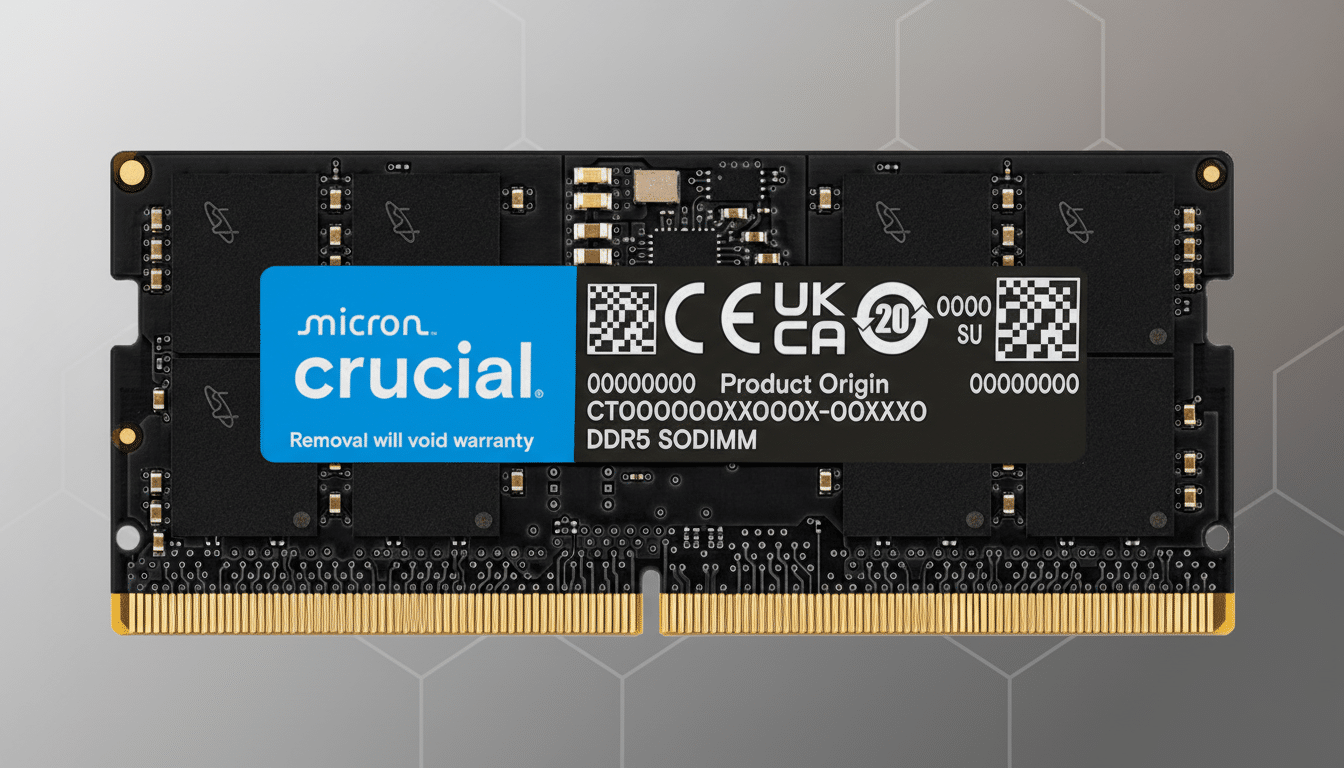
While desktop DDR5 is stable, SODIMM—used in laptops and mini PCs—has been more erratic. 3DCenter’s snapshot points to roughly a 25% climb across SODIMM in the latest month, spanning DDR5, DDR4, and older DDR3 variants. Scratch the surface, though, and the spike looks less like a broad surge and more like an outlier-driven wobble.
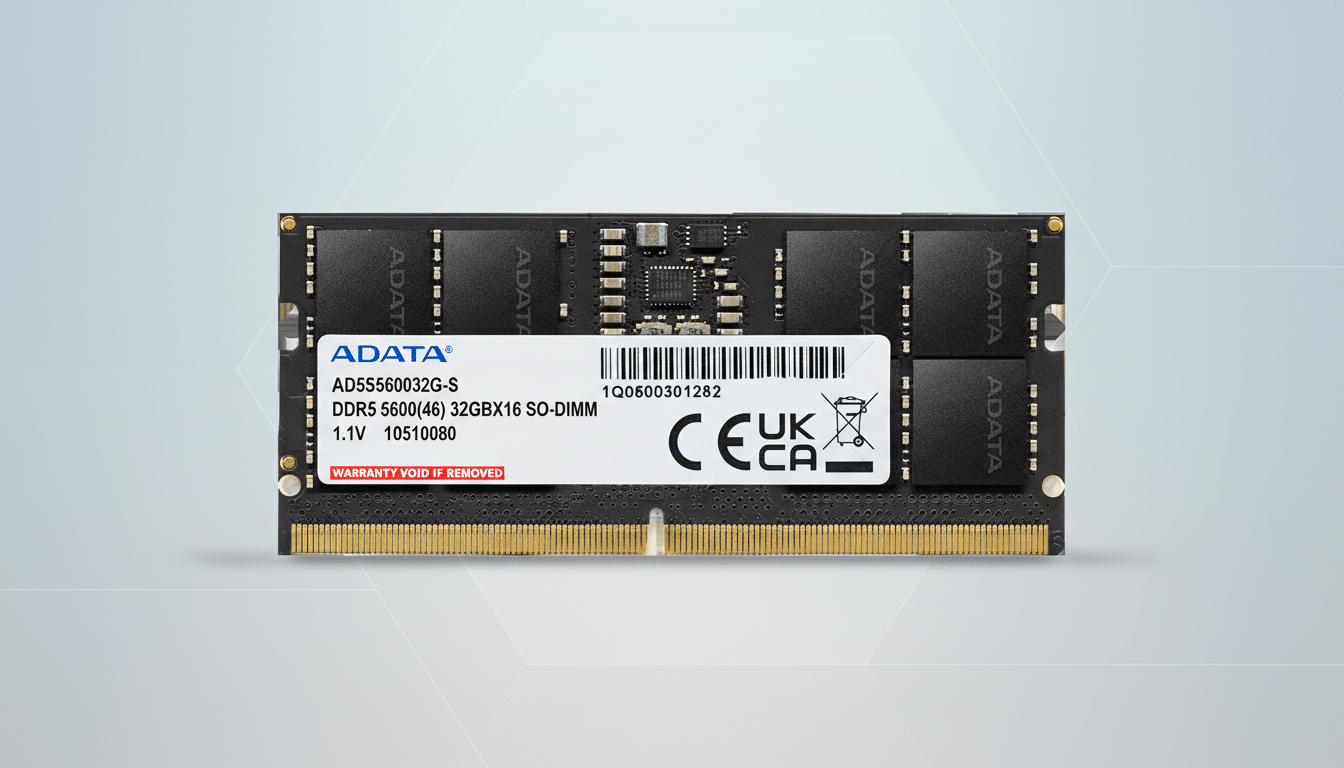
One widely sold DDR4-2400 SODIMM kit reportedly soared by nearly 200% within the period, skewing the category average. A single DDR5 SODIMM listing also jumped about 50%. At the same time, other modules moved the opposite way—for example, a cited 32GB DDR5 SODIMM dropped from about €292 to €268. In other words, volatility is clustering on a few SKUs rather than hitting the entire SODIMM shelf uniformly.
This pattern tracks with how SODIMM flows through distribution. Laptop memory relies on narrower retail assortments, intermittent OEM buybacks, and unpredictable bursts of demand from refurbishers and fleet upgraders. With fewer interchangeable SKUs—and fewer overclocked or high-speed variants than desktop DIMMs—single-product price shocks can ripple through averages.
Why Germany Is Bucking The Desktop Trend
Channel checks from European retailers suggest several factors behind the steadier DDR5 picture. First, inventory purchased ahead of seasonal holidays has lingered, cushioning retail prices even as upstream contract quotes tick higher. Second, intense competition among e-tailers keeps margins thin on mainstream 2x16GB and 2x24GB 5600–6400MT/s kits, limiting quick markups.
Industry trackers such as TrendForce have noted DRAM suppliers (Samsung, SK Hynix, Micron) continue prioritizing high-margin server parts amid AI demand. Yet German storefronts appear to have sufficient desktop DDR5 stock, tempering pass-through of factory-level increases. Put simply, the shelves are not empty—so sticker prices aren’t sprinting.
What Buyers Should Do Now in Germany’s DDR5 Market
For desktop builders and upgraders in Germany, this is a welcome window. If you’re targeting mainstream DDR5—think 32GB to 48GB kits in the 5600–6000MT/s range—current listings look resilient against sudden hikes. Price-per-GB on 2x24GB can be especially compelling, and compatibility on recent Intel and AMD platforms is mature.
Laptop shoppers should proceed with more caution. Given the SODIMM choppiness, compare multiple vendors, check recent price histories, and verify module specs (JEDEC 4800–5600MT/s is the norm; XMP/EXPO support is often limited on notebooks). If a single kit’s price has surged, consider alternate capacities or brands rather than paying a premium that may unwind.
The Broader Signal for 2026: Memory and Storage Trends
3DCenter’s data also hints at cooling GPU price escalation, even as storage shows fresh signs of tightening—notably in hard drives, where large-capacity models have been in higher demand. The composite takeaway for memory is nuanced but encouraging: while the structural forces behind last year’s spikes haven’t vanished, retail markets can and do find short-term equilibrium.
Expect noise to persist—especially in SODIMM—yet Germany’s flatlining DDR5 desktop prices suggest the most severe swings may be behind consumers, at least for now. Watchlist items include:
- Any renewed inventory draws by system makers
- Changes in DRAM wafer allocation toward servers
- Currency shifts that could reprice imports
Until then, desktop DDR5 buyers have a rare slice of stability—and laptop upgraders have a reason to shop carefully.
