


Epson is bringing Google TV with Gemini to a selection of Lifestudio projectors, driving the category closer to the fluid, app-rich experiences folks are accustomed to from today’s televisions.
The update mashes up big-screen projection with conversational AI and claims to deliver faster discovery, simpler navigation, and deeper inclusion in the smart home without added dongles.
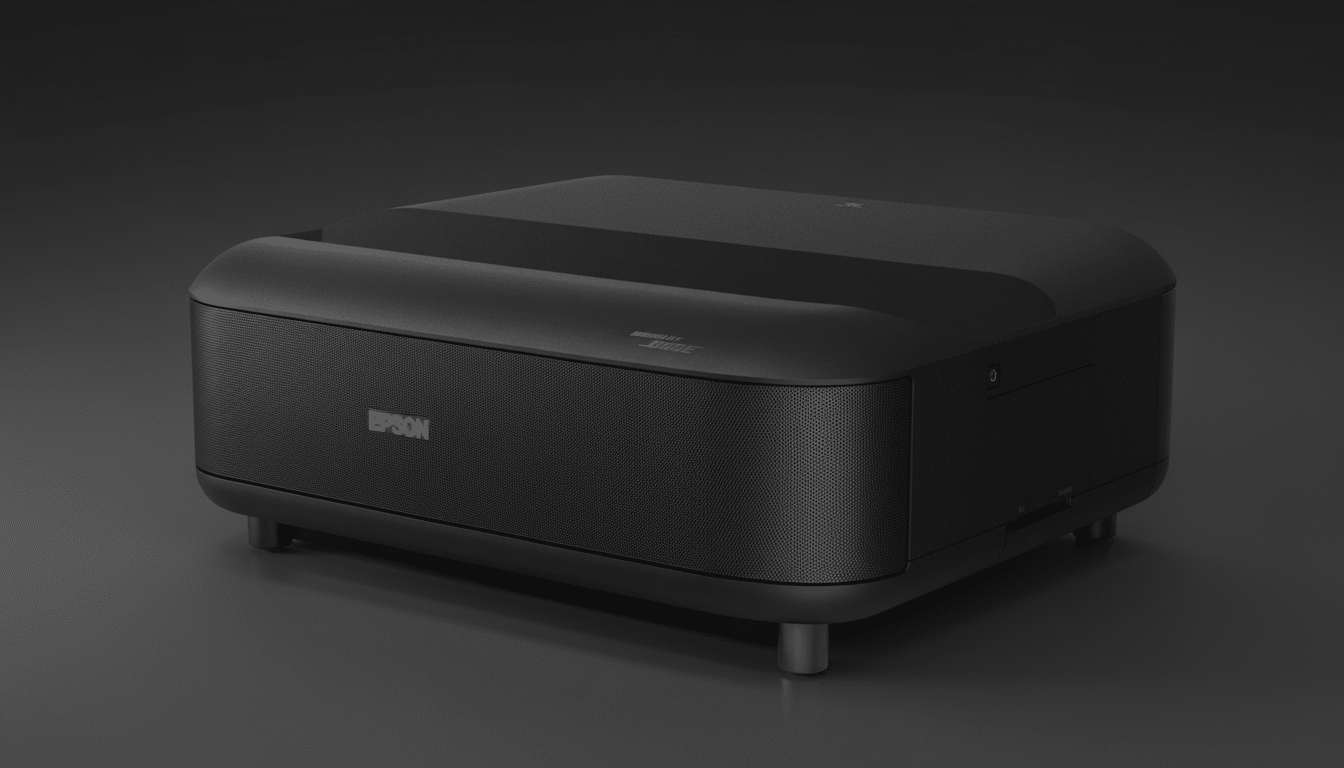
This first wave is aimed at the more recent range of Lifestudio models. Other models in the line are expected to be added later. It’s a significant pivot for projectors, which in the past have either had to depend on basic menus or third-party streamers in order to keep up with TV software.
What Gemini alters on the big-screen experience
Gemini instead uses multi-turn conversations rather than one-shot commands. Request “show comedies,” then follow it up with “only critically acclaimed” and finally “from the past few years”—without repeating context. That shift is more important on projectors, which usually have small remotes and painful typing.
Inside Google TV, Gemini’s reasoning and summarization could help improve results that span multiple services, narrow searches by mood or cast, and surface content we might not notice otherwise; profiles and watchlists continue to do the heavy work of personalizing your experience for you, but conversational follow-ups cut down on having to shuttle between apps and menus.
Here are things you can expect to see get snappier over time during normal control use.
- Open an app
- Jump to a particular episode
- Call up trailers
- Bring up inputs for a console
Now you can string together commands for opening an app, hopping to a particular episode, calling up trailers, or bringing up inputs for a console in a natural way. It’s a quality-of-life improvement that answers the single biggest gripe about projectors: all too often, the software layer is stuck in the dark ages when compared with hardware.
Smarter homes, courtesy of the projector
“With Gemini, we are bringing native smart-home controls to the Google TV interface,” the company said in a statement at launch last week. “Your projector is now a command center for your connected home.” Imagine “movie night” subscriptions that dim the lights, adjust your thermostat, and spin up ambient music as fast as what’s being viewed on your screen—all controlled by voice on the same screen you’re watching.
Since this is all-in-one, using it should feel tighter than if I were juggling a TV stick, a speaker, and a phone. There are millions already familiar with Google’s home ecosystem, and such familiarity stands out in the living room that uses a projector instead of a TV.
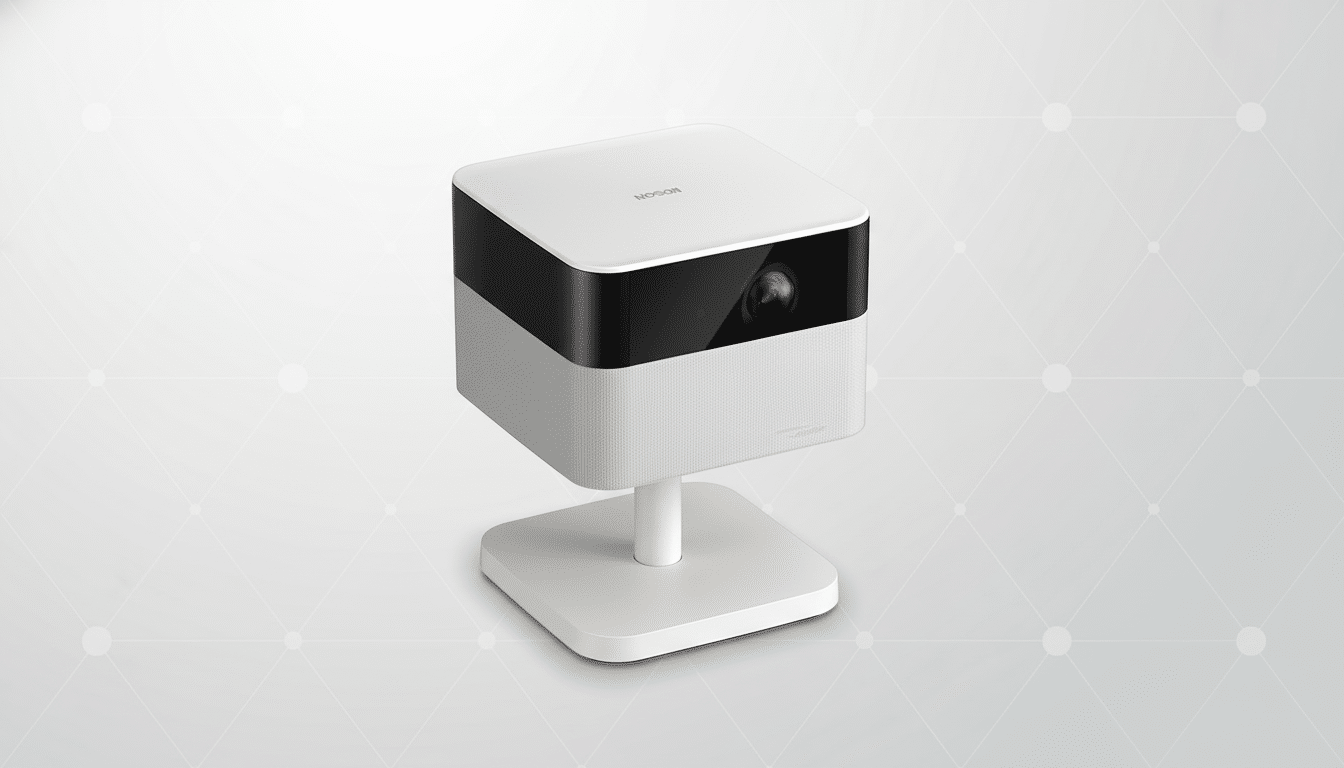
Under the hood: how Epson integrates Gemini with Google TV
The new offering is built on the company’s smart projector platform and features streaming and AI baked into the chassis instead of as external add-ons.
That should result in faster app launches, less HDMI handoff action, and simpler setup.
There’s no departure in Epson hardware strategy: the company will continue to serve up 3LCD projection technology, Bose-tuned audio, and a mix of portable and ultra-short-throw models. We’re talking about the software stack—getting the projector to feel like a fully functional entertainment device straight out of the box.
Rollout and models: which Lifestudio projectors get it
The upgrade will start with the latest Lifestudio models, like the Lifestudio Grand, and then will be rolled out to other models in phases. Epson mentions gradual rollouts across its line in due time, and the presence of Gemini-supported Google TV suggests this is more intended as a baseline than an outlier.
Feature availability, as with any platform shift, can differ by region and app support. Users should also anticipate needing to sign in for services and voice features, and some capabilities will change as Google fine-tunes Gemini across devices.
Why this move matters for projector users at home
For so long, however, projectors have gotten the size and spectacle right but lacked a robust software interface. Through integration with Google TV and building on Gemini’s conversational layer, this is where Epson has solved for the all-too-frequent usability gap that often ends up driving people towards a TV purchase instead. Omdia and Futuresource Consulting have both observed solid momentum for smart and ultra-short-throw projectors, while consistently citing software polish as a purchase driver.
It’s also a vote for AI-forward interfaces in the living room and integration. If Gemini can deliver on content discovery and household controls as advertised, suddenly projectors aren’t a concession; they’re your true living room hub. The real test is in real-world responsiveness—how accurate the voice control is across apps (very), how consistently you get those results in different apps (mostly), and whether or not it’s actually easy to control lights and thermostats with your voice. If those boxes are all checked, the big-screen projector just got a lot smarter.
