


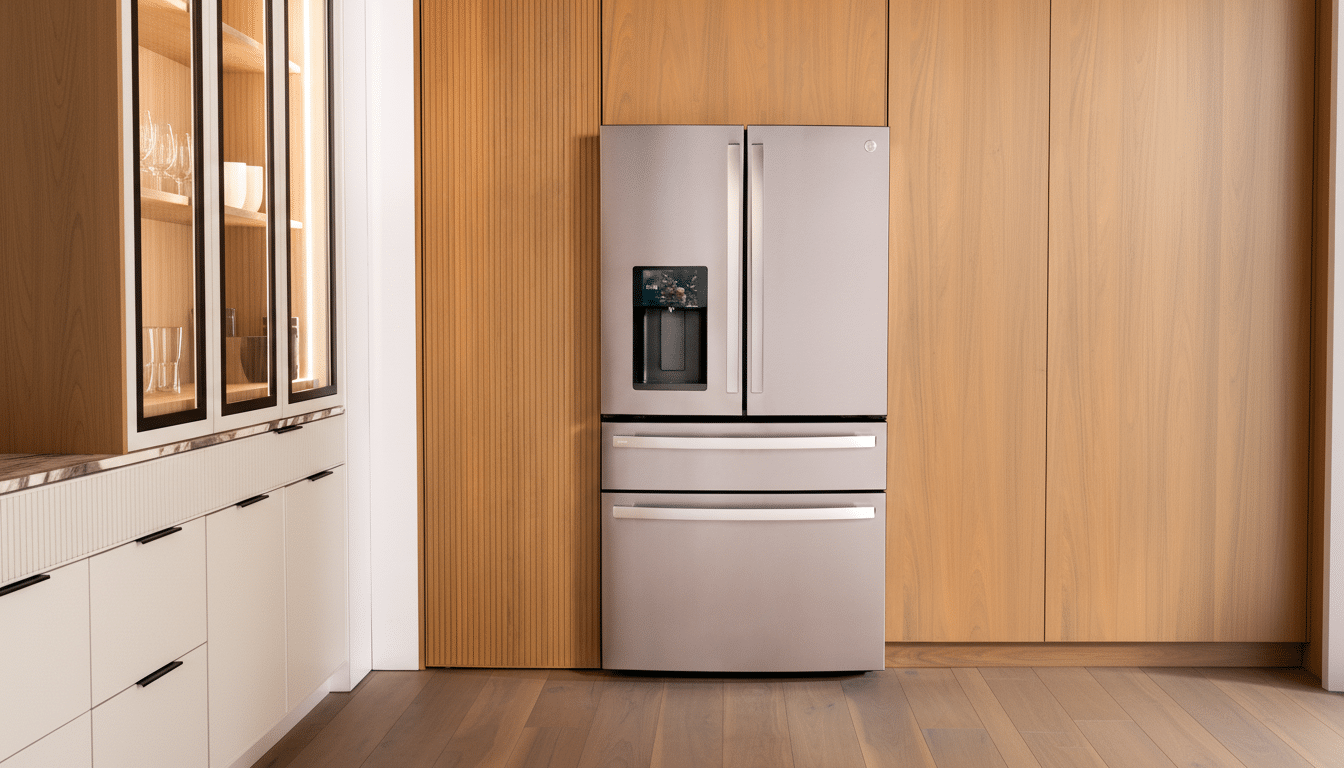
GE Appliances is using the CES limelight to alter the conversation surrounding what a refrigerator can do and redefining it as a bar of sorts that also keeps groceries cold. Its new Smart Refrigerator with Kitchen Assistant weds a built-in barcode scanner, voice capabilities, and a produce-monitoring camera (plus direct list handoff to Instacart), making the appliance at once pantry manager and grocery concierge.
How the Instacart-connected GE smart fridge works in practice
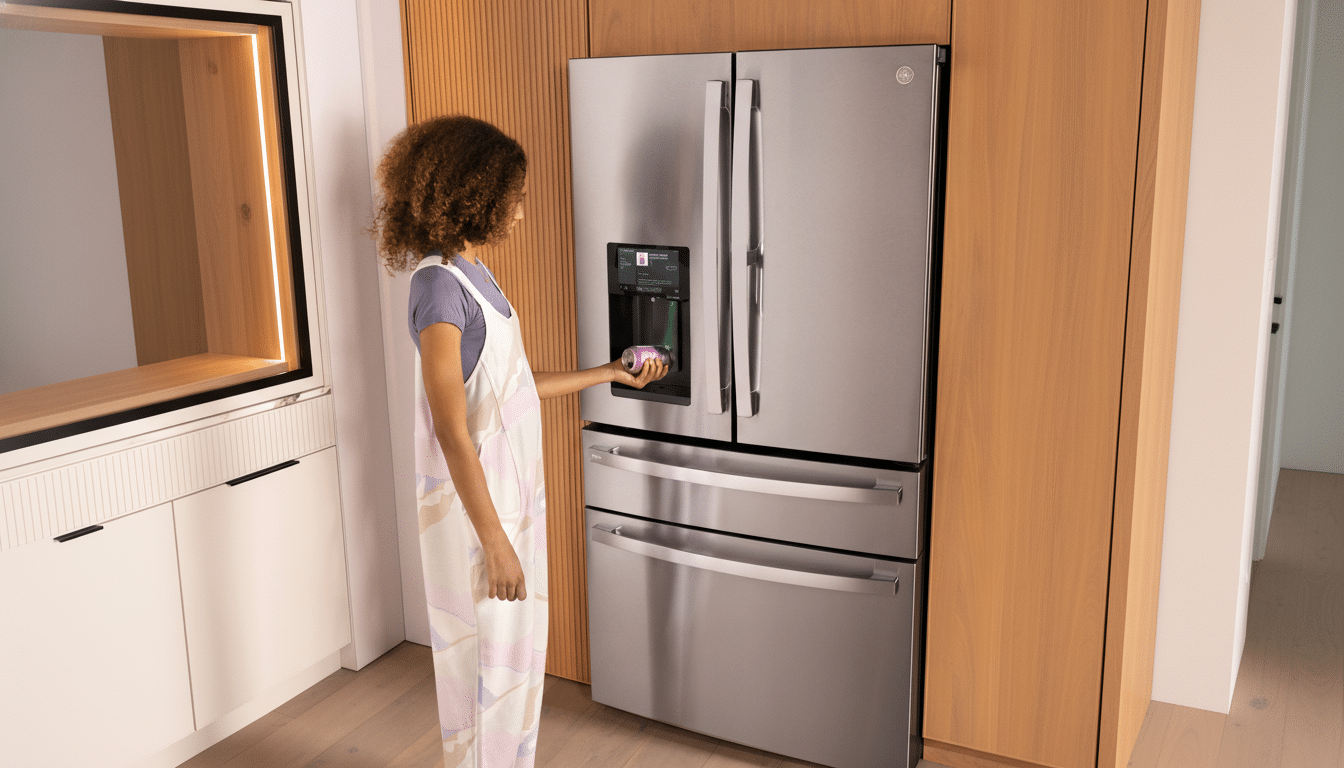
The headliner is Scan-to-List: wave a package UPC under the integrated scanner, and the item lands in a shopping list within GE’s SmartHQ app. You can then share the list with family members, bring it in-store, or copy it to Instacart for delivery. It’s still a deliberate “handoff,” rather than an automatic replenishment, with the shopper remaining in control over which retailers to use, substitutions, and delivery windows.
- How the Instacart-connected GE smart fridge works in practice
- Why Instacart integration matters for smart fridge shoppers
- Addressing household food waste with a fridge-mounted camera
- Privacy and interoperability questions for connected kitchens
- Rivalry with smart kitchen competitors and what sets GE apart
- Price and availability of GE’s Smart Refrigerator
- Early take on GE’s Instacart-connected smart fridge strategy
Voice input is also a useful enhancement — ask the Kitchen Assistant to add eggs, convert ounces to cups, or find product details online without pulling out a phone. When it comes to meal planning, GE says the fridge’s recipe integrations will expand with more than 50 new options added each month — and you can save your favorite dishes and send missing ingredients over to that same list.
Why Instacart integration matters for smart fridge shoppers
Instacart’s marketplace has emerged as a default channel for online grocery shopping in many U.S. households, and friction at the list-making part of the process is where a lot of orders drop off. Online grocery spend will keep going up into the mid-2020s as pickup and rapid delivery become more typical. Insider Intelligence has reported on this trend. Burying the handoff in the place where inventory resides eliminates a step — and may increase execution.
Crucially, barcode scanning relies on GS1-standard codes. That’s perfect for packaged goods, but suboptimal for loose produce or home-prepped items. And GE’s method of bridging that gap — voice capture and recipe tie-ins — is a reminder of something about smart kitchens: the more they reflect the realities of bag mixtures and leftovers, the more useful they’re going to be in your life.
Addressing household food waste with a fridge-mounted camera
GE’s FridgeFocus camera is mounted on an LED bar targeting the crisper area, allowing you to have a look at perishables when you’re in a store or getting ready to place an order. It’s a practical position; lettuce, herbs, and berries are high-risk items that are tossed because shoppers can’t quite remember what they still have in their refrigerator.
The stakes are real. The U.S. Department of Agriculture calculates that 30–40% of the United States’ food supply is thrown out every year. ReFED’s research estimates household-level waste at tens of millions of tons annually, costing consumers hundreds of billions. A small dent — say, missing out on one carton of rotten berries or a redundant bag of salad — can add up over a year and be enough to earn back a piece of the premium you paid for an appliance.
Privacy and interoperability questions for connected kitchens
There are legitimate questions about any in-home camera. Buyers will want assurance over how images are processed, for how long they’re retained, and if features such as FridgeFocus can be disabled entirely. Transparent, easily accessible privacy controls should be table stakes for a device that captures anything in the kitchen — even if it’s “just” lettuce.
On the ecosystem side, GE’s SmartHQ platform already integrates with popular voice assistants on appliances, and many consumers are likely to demand that level of interoperability. Just as the Matter standard aims to bring harmony to smart-home devices, how it will be applied to big appliances is just starting to take shape. Adoption outside of the early adopters will be based on how well this fridge can work with already-installed smart-home systems.
Rivalry with smart kitchen competitors and what sets GE apart
LCD screens and built-in recipe platforms became increasingly normalized thanks first to Samsung’s Family Hub line, then LG’s InstaView. GE’s twist consists of the dedicated barcode scanner and a pared-down Instacart bridge — a riff on the convenience once offered by Amazon’s Dash Wand, but tethered inside an appliance that you already touch multiple times a day. If the scanner proves fast and accurate, that tactile feel could be a big differentiator over app-only list tools.
Price and availability of GE’s Smart Refrigerator
GE expects to offer standard-depth and counter-depth editions, the latter made to fit flush with cabinetry. The price point is around $4,899, a cost that nestles it firmly into the premium niche. Availability is planned through GE’s website and leading retailers, with sales kicking off in April.
Early take on GE’s Instacart-connected smart fridge strategy
By putting list-building where inventory lives and concentrating on perishables — the most challenging part of the grocery equation — GE is tackling two of the meal-planning process’s biggest points of friction. The idea plays off what people are doing already, rather than asking them to adopt some new habit. Execution will tell whether it’s compelling — quick scanning, intelligent recipes, and clear data practices could make this the rare smart fridge feature set that is part of my weekly routine for years to come.
