


Gaming’s biggest night, it turns out, has more than trophies to offer. The Game Awards has become a global launch pad for world premieres, first looks, and notorious moments — tallying 118 million livestreams in its 2020 edition, according to the show’s organizers. The big talk this year is about long-in-the-tooth franchises moving into new eras, ambitious sequels, and a few left-field curveballs that have the community playing detective in search of clues.
Beneath that, we offer a cold-eyed reverse-engineering of the announcements and shockers fueling hype right now — as informed by official teases, trademark action, and studio roadmaps — including why it matters for the release calendar in 2026 and beyond.
- Tomb Raider’s next era set for reveal at The Game Awards
- Resident Evil Requiem momentum builds amid new leaks
- Sega’s multi-front play spans fighters, RPGs, and strategy
- Larian’s mystery deepens, and the Divinity question returns
- Remakes and shared universes expand across major franchises
- Why these reveals matter for timelines, sales, and strategy
- The surprises to watch: shadow drops and platform deals
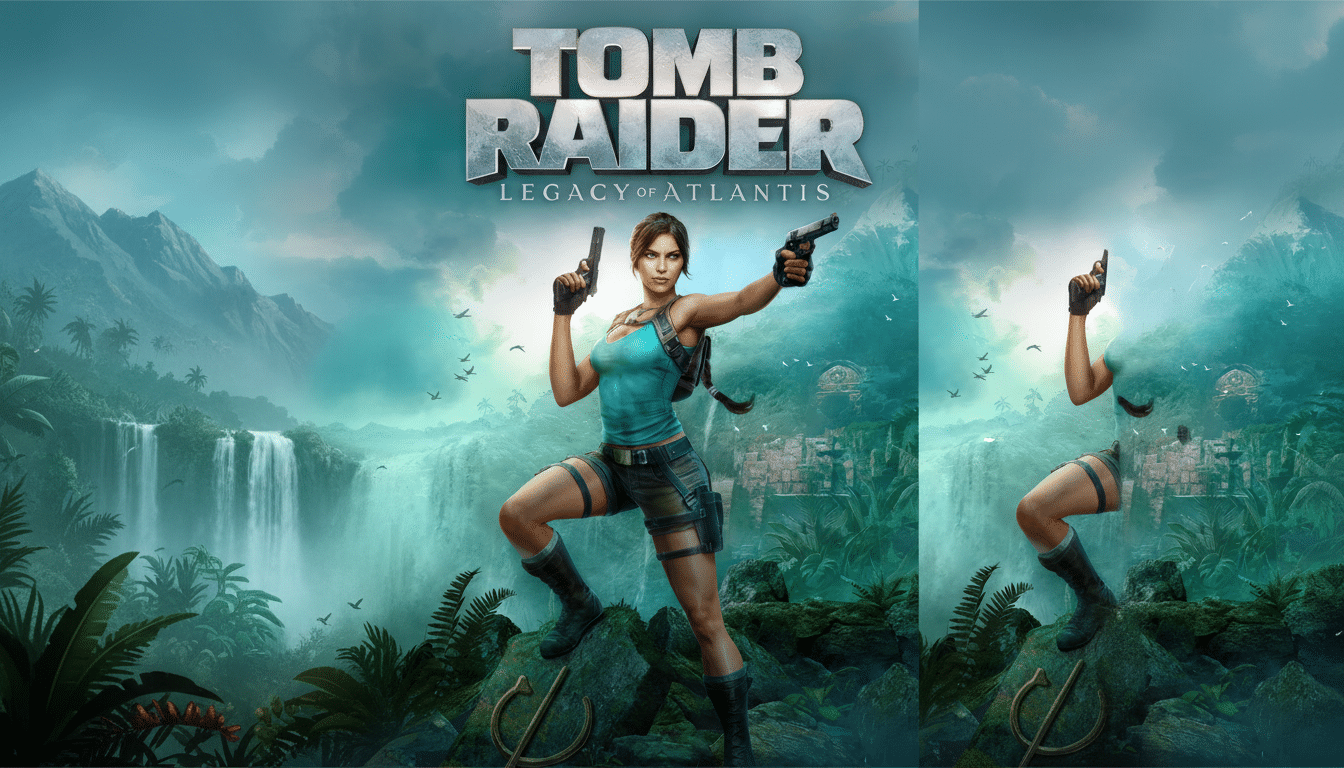
Tomb Raider’s next era set for reveal at The Game Awards
Crystal Dynamics has been hinting at the “future of Tomb Raider,” and now it looks like we’re finally getting a full reveal of what’s next for Lara Croft! The studio has previously tapped Unreal Engine 5 and will receive publishing backing from Amazon Games, suggesting a broader push for game adaptations and new tools for larger environments. A first in-engine tease or narrative proposal would represent the franchise’s most substantial update since the Survivor Trilogy concluded, and a glimmer of how legacy action-adventure series embrace modern-gen expectations.
Resident Evil Requiem momentum builds amid new leaks
Capcom’s horror machines keep chugging along, with no signs of slowing. Requiem is heavily rumored for a more in-depth glance, and the Leon S. Kennedy chatter certainly has some heat now that an apparent storefront slip has him pinned in. Resident Evil has crossed 150 million lifetime sales, according to Capcom investor disclosures, and the RE Engine pipeline is now pumping out high-quality content at a consistent cadence. Look for a systems-laden trailer that will set the tone and help clarify setting and protagonist—breadcrumbs that often predict Capcom’s release windows and cross-gen strategy.
Sega’s multi-front play spans fighters, RPGs, and strategy
Sega has been promising a “don’t miss it” occasion. With long-rumored Virtua Fighter 6, creative new IP like Stranger Than Heaven, and any potential updates linked to Total War, the company seems set to diversify its slate. On the Atlus Megami-mobile, Persona has new heat — Persona 3 Reload hit early sales benchmarks, according to Atlus — and rumblings of a Persona 4 remake continue. Whether it’s trilogies of fighters roaring back to life or JRPG refreshes, across Sega there are signs that’s generally its overarching strategy, which we hear about in Sega Sammy investor briefings: resurrect classic brands at pace while also sowing the seeds for new tentpoles.
Larian’s mystery deepens, and the Divinity question returns
A cryptic statue — amplified by Geoff Keighley’s teases — has fans piecing together symbols back to Larian Studios. The studio has made it known that it’s now done with Baldur’s Gate 3 expansions, getting back to its own IP; and, coming off BAFTA- and GOTY-winning blockbuster Divinity—well, all eyes are now on the next step. A theme-setting teaser announcing the studio’s next universe could easily break into the list of most-watched moments on the night and could prompt a reappraisal of the CRPG development map across PC and console.
Remakes and shared universes expand across major franchises
Trademark activity has further fueled speculation. An Assassin’s Creed Black Flag Resynced trademark filing suggests a potential re-revolution for the high-seas classic, which would make sense given how much people still like Black Flag, and how Ubisoft is continuing to turn those in-game hubs into something more. “Meanwhile, Remedy continues to take the Control universe in a variety of new and exciting directions, including through recently filed preparations for an additional title within the existing franchise lineup, which includes Control Ultimate Edition and last year’s announced co-op game, codenamed Condor.” They’re not just nostalgia; remakes and a universe-building exercise are opportunities for risk-managed strategies that balance the portfolio while teams incubate new IP.
Why these reveals matter for timelines, sales, and strategy
For the next year of marketing beats, it’s an unofficial starting gun for The Game Awards. Market conditions: Premium, story-heavy titles continue to claim share of voice but with strong platform features and PC parity. Here, announcements usually correspond to deployment in Q2–Q4 of the following year, and those larger trailers often match up with outright spikes in wishlists (at places like Steam), which act as an early indicator of sell-through potential.
For publishers, a good showing can recast investor sentiment going into fiscal reporting, and for developers it establishes expectations of scope and timeline. Remakes and spiritual reboots (see the potential refreshing of Black Flag) serve demand for the “new but familiar”; universe expansions (Control) keep audiences engaged across projects without draining talent into fresh IP; tentpole returns (Tomb Raider) enhance global brand appeal, elevating regional performance, merchandising, and streaming tie-ins.
The surprises to watch: shadow drops and platform deals
Watch for shadow drops and platform partnerships. For smaller studios, the stage is frequently used for surprise releases that ride the launch excitement wave of the show itself (algorithmically speaking), while first-party cameos can suggest timed exclusivity or subscription beats. Anticipate at least one “How did they fucking keep that a secret” moment — The Game Awards has become known for last-minute social media breaking reveals.
Whether it’s the next Lara Croft adventure, a chapter of survival horror, Sega flexing its legacy, or Larian returning to its roots, the throughline is clear: The industry is doubling down on craft-led, audience-proven concepts and creating room for new worlds. That balance — between comfort and daring — is precisely why this show continues to define the conversation long after the orchestra has ceased playing.
