


A fresh leak indicates that the Galaxy Z Flip 8 will retain the same camera formula as its predecessors, which is sure to disappoint fans looking for an upgrade. The foldable is rumored to feature a 50MP main camera, along with a 12MP ultrawide and 10MP selfie shooter — all familiar numbers similar to recent Flip generations — while the headline hardware change could well revolve around an impressive weight reduction.
A Familiar Camera Stack Returns on Galaxy Z Flip 8
As per GalaxyClub’s report, Samsung’s upcoming clamshell also keeps the 50MP primary sensor and a 12MP ultrawide sensor, with a 10MP camera-based selfie shooter on the inside. That jibes with the layouts found on the Flip 6 and anticipated Flip 7, and it keeps with a trend: the ultrawide module has more or less stayed consistent since the very first Flip, though recent years have seen a brighter f/2.2 aperture replace the earlier f/2.4.
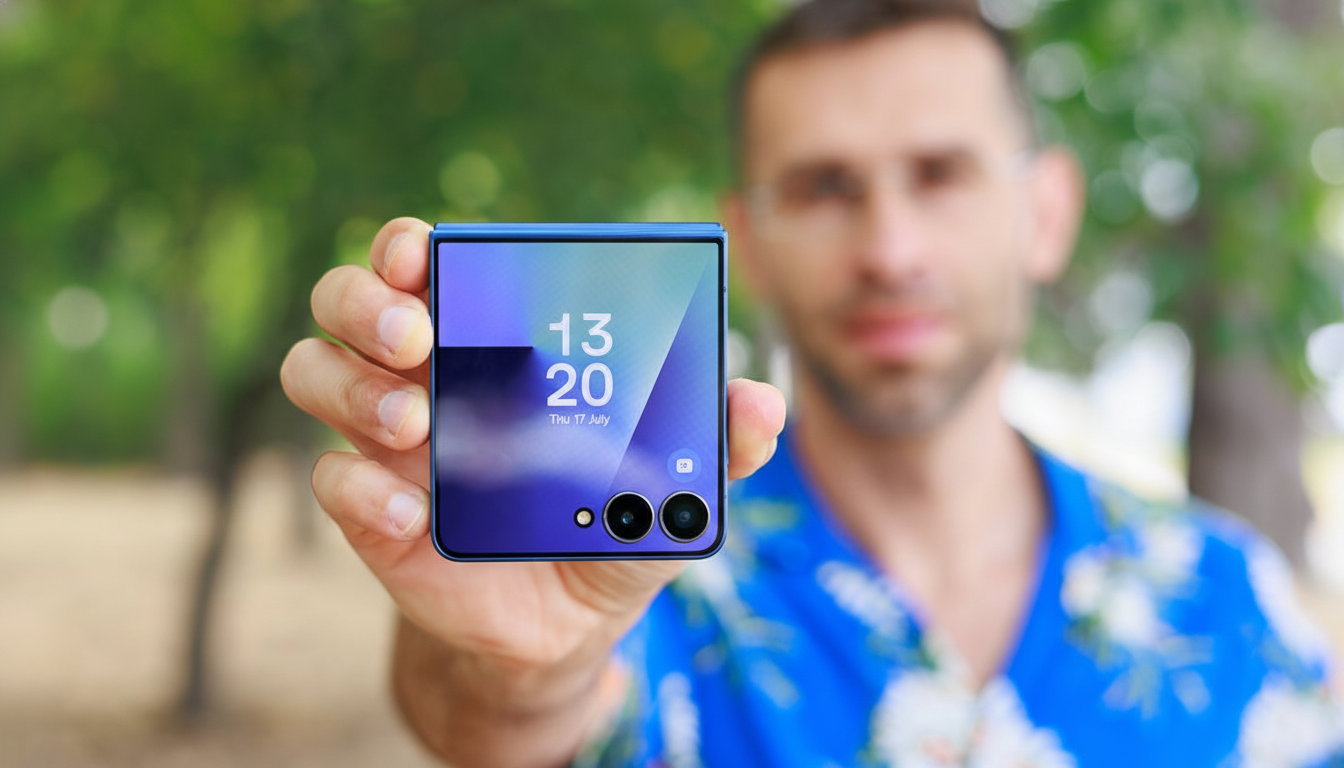
On paper, that might appear to be static, but statistics don’t always capture the full story. The same resolution can mask newer silicon, larger pixels, wider apertures, or better stabilization — features that all have material impact on image quality. But for shoppers who’ve been pining after a new sensor lineup or a true telephoto, this leak projects the same old scenario.
Expect Sensor Tweaks and Tuning Rather Than Overhauls
The leak leaves room for refreshed sensors and software tuning rather than a full-on overhaul. That would be in keeping with Samsung’s recent approach: rely on improved image signal processing, multi-frame HDR, and more aggressive night algorithms to eke out gains without blowing up the camera hump. Better portrait segmentation, fine-tuned skin tone reproduction, and smarter scene detection usually ride in with new chipsets and updated camera pipelines even when the megapixel counts don’t budge.
If Samsung subs in an updated 50MP unit with larger effective pixels or faster readout, image-quality benefits might include better low-light performance and faster autofocus. But the lack of a rumored optical zoom lens means the Flip 8 will likely once again depend on high-quality digital zoom and computational sharpening for mid-range shots.
Why Samsung May Hold the Line on Flip 8 Cameras
Designing a good camera system into a thin foldable is hard. Big sensors, fast glass, and strong stabilization all contribute to thickness, weight, and heat. Every fraction of a millimeter vies with the hinge, battery, and cover display for space. “Inherent to ever-thinner foldables is the constraint on camera module height and it remains established practice that folds will see iterative changes in camera spec,” noted industry analysts at Display Supply Chain Consultants.
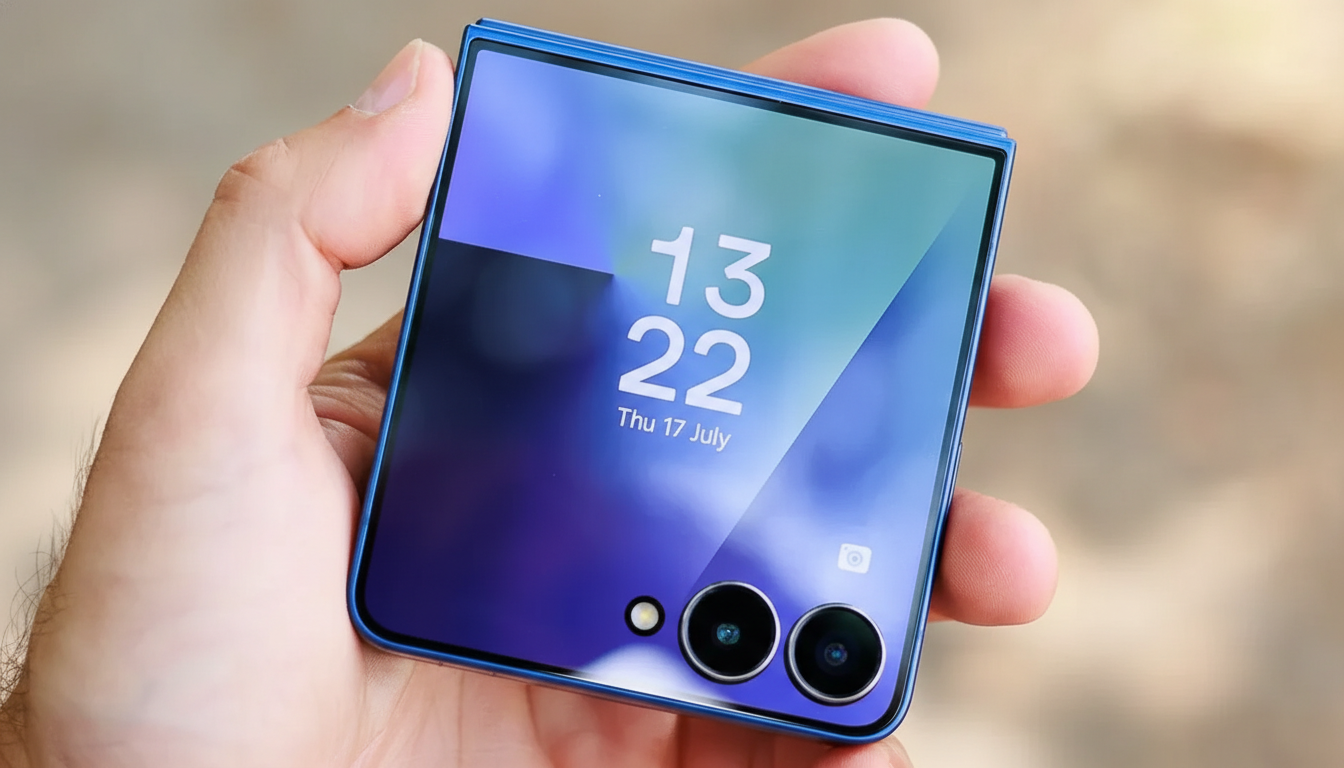
A rumored weight cut, from around 188g on the Flip 7 to around 150g, would represent an impressive reduction of some 20%. That’s not the sort of diet that happens by accident. This could mean that more delicate frames, or smaller hinges and closer tolerances, can be built in place of chunky optics. If this leak is real, Samsung seems to be focusing on pocketability and all-day comfort and putting faith in software to deliver the photo goods.
Rivals Raise the Camera Bar for Modern Clamshells
Competition isn’t sitting still. Motorola’s newer Razr flagships have toyed with dual 50MP systems, even adding a 2x telephoto on some models, while Oppo delivered what was potentially the first triple-camera setup with a dedicated portrait shooter in the Find N3 Flip for clamshells. That shift reflects a broader effort to stand out based on optics — even at the cost of slightly thicker housings or heavier shells.
Samsung fires back with consistency, color science that many people will prefer, and a tighter integration between the cover screen and camera app. The hands-free “FlexCam” use case — propping your phone up on a table for stabilized shots — is still a unique strength when weighed against the lack of zoom in everyday shooting.
What to Watch Next as Galaxy Z Flip 8 Rumors Solidify
Key things to watch for at the next Unpacked will be sensor specifics (pixel size, aperture, and stabilization), improvements to HDR and night modes, and whether Samsung works in smarter subject recognition that it pushes out across lenses. If the weight rumor is true, you can expect significantly more stable one-handed shooting and less vlogging fatigue — tangible wins that don’t appear on a spec sheet.
Bottom line: With familiar camera hardware and a few sensor swaps and software gains that may feel incremental, we could see the needle move for Galaxy Z Flip 8. The equation is compelling if you’re a prospective buyer who prioritizes portability and consistent on-the-go captures above experimenting with optical zoom, provided Samsung’s image processing takes another clean step forward.
