


If you believe one leak, however, Samsung will finally raise the Galaxy Ultra line beyond its longstanding 45W cap for wired charging (the S22 series may support 25W wireless charging) with the Galaxy S26 Ultra supposedly ready to accept up to 60W of power when plugged in.
The claim comes in the face of a recent Chinese regulatory certification that lists the device at 45W, refreshing a debate which has been rumbling on for years among Galaxy power users.
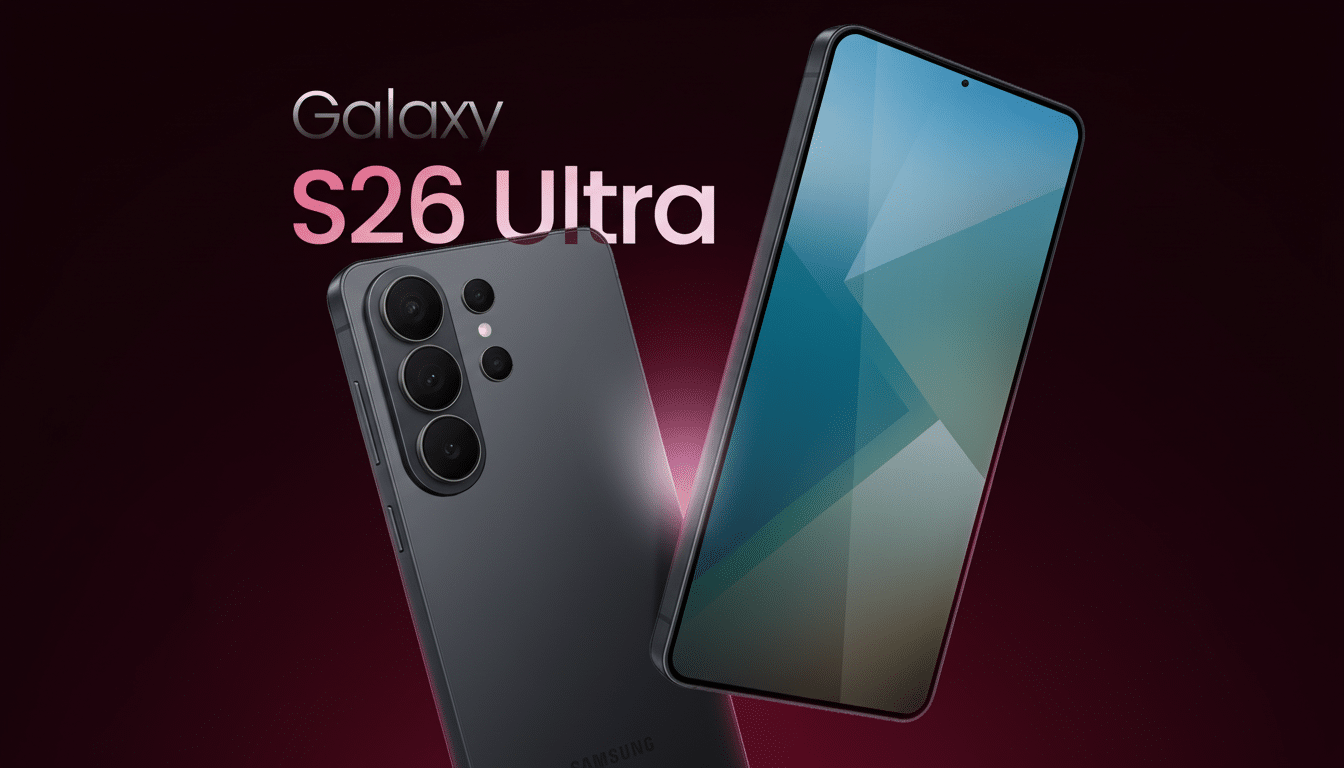
A long overdue bump that users continue to request
On its premium phones, Samsung had stuck at 45W for a couple of generations as competitors made 66W, 80W and even 100W systems mainstream. Independent lab tests consistently show that Samsung’s 45W build gets you about an hour from dead to full on a 5,000mAh unit — respectable, but no longer class-leading. For comparison, devices like the OnePlus 12 (80W in U.S., 100W elsewhere) and Xiaomi 14 series (up to 90W) regularly outscore for full-charge times while leaning on advanced thermal designs to keep temperatures under control.
Switching to 60W would not be some pursuit of spec-sheet glory; it would result in faster top-ups, especially inside the all-important 0–50% filling range, but without swinging so high that long-term battery health is harmed. This range is already covered by the USB-IF’s Power Delivery PPS standard safely, and Samsung has named its previous tiers “Super Fast Charging” and “Super Fast Charging 2.0.” A 60W segment might then make sense as a “3.0” subgroup that allows for additional headroom, but still respects the life of the battery.
Rumor vs. certification: what if signals are contradictory?
The optimism springs from seasoned tipster Ice Universe, who has reiterated previous leaks stating that the S26 Ultra will top 45W but fall short of reaching 60W — a claim that is in direct contradiction with a listing on China’s 3C certification database revealing just that.
On paper, the certification should clarify things — but in practice, it may be less than 100 percent definitive.
That certification often points to a tested adapter or baseline compatibility profile rather than the device’s actual ceiling. It’s also typical to see regional chargers and peak pricing vary by market. And while it’s pretty standard for the Chinese variants to receive faster charging profiles than their global counterparts, there have certainly been instances where you don’t even need a new firmware version to unlock access to higher PPS currents — provided, that is, you’re using chargers that didn’t come in any of these initial certification bundles. But pre-retail packaging, FCC filings or Samsung’s own materials make clear the marketing tier and the window gets shut.
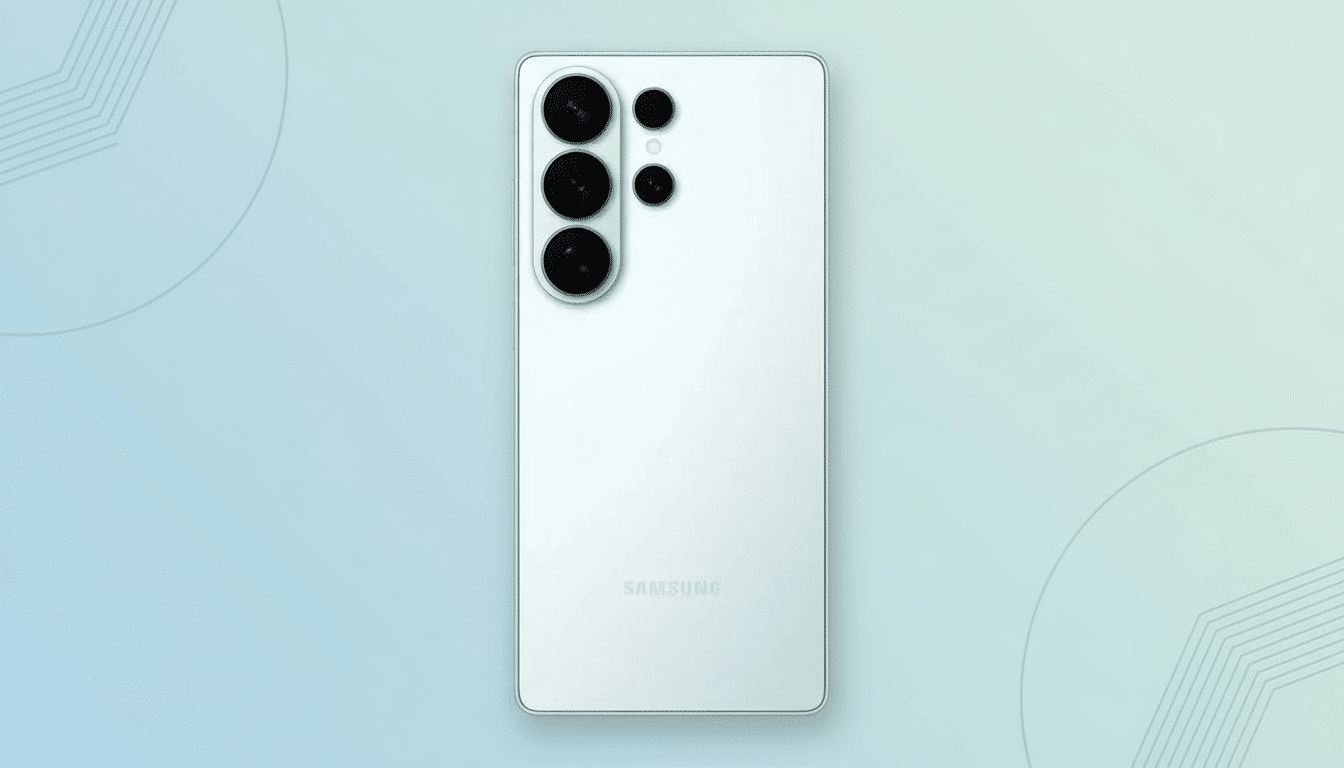
Why a shift to 60W charging could realistically work now
Three enabling factors stand out. First, thermal headroom: Samsung already has scaled up vapor chambers and graphite thermal layers in recent Ultras, but a bigger one is necessary to keep higher wattage from throttling down. Second, battery packaging: industry momentum is currently in favour of stacked cells and denser separators which can support higher currents for less heat — exactly what we’ve seen on Chinese flagships. Third, the charger’s own standard: USB PD with PPS can communicate over fine-grained voltages and currents (say, about 10–11V at ~5–6A), which reduces conversion loss in the phone and is efficient at higher power levels.
There’s also a strategic layer. Samsung has doubled down on multi-year software updates and durability being brand pillars. A modest leap to 60W — not the triple-digit leaps we’ve seen others take — strikes a good balance between faster charging and keeping cycle life intact, which matters to users who are going to hold onto devices for seven years of updates. While organizations like UL Solutions and the USB-IF have stressed that thermal and safety management is just as important as raw wattage, a measured bump feels in line with that advice.
The competitive cage — and what to watch for next
At 60W, Samsung would be following behind competitors like iQOO and Realme, pushing the likes of 120W and above. But it would be a significant closing of the gap for day-to-day life, where a pit stop in 15 to 20 minutes is the difference between having battery anxiety and not. Look for marketing to center around “percentage in X minutes” rather than raw watts, because that’s what will make consumers feel something.
Telltale signs to watch for: refreshed “Super Fast Charging” identities in retail assets, Samsung 60W-rated PPS chargers popping up in local registries and accessory SKUs that imply a hotter profile. The clearest confirmation that Samsung has actually pushed the needle on this, however, will be if lab tests from outlets known for testing charging data in a methodical manner end up publishing a visibly brisker 0–50% curve and cooler thermal profile under load.
For the time being, the 3C listing dials back expectations just a touch, but given that we’re hearing so much about 60W from credible leakers then optimism isn’t misplaced. If Samsung delivers on that promise, the S26 Ultra’s “long-overdue” upgrade won’t be about catching all the rivals — it will be about finally catching up to what Android premium buyers have come to expect in 2025 without sacrificing the longevity that holds them within an ecosystem.
