


I’ve spent enough time with Samsung’s Ultra line to know when warning signs deserve attention. Early reports suggest the Galaxy S26 Ultra could repeat a few missteps that held the last model back, even as one new capability looks genuinely transformative. Here are my three biggest concerns about the S26 Ultra—and the single feature that might still get me to upgrade.
Camera Concern: The Stagnant 3x Telephoto
According to ETNews, the S26 Ultra is expected to pair a 200MP primary camera with a 50MP ultrawide, a 50MP 5x telephoto, and a 10MP 3x telephoto. The weak link is obvious. Samsung has leaned on a 10MP mid-tele module for multiple generations, and it shows in edge detail, color consistency, and low-light tele shots.
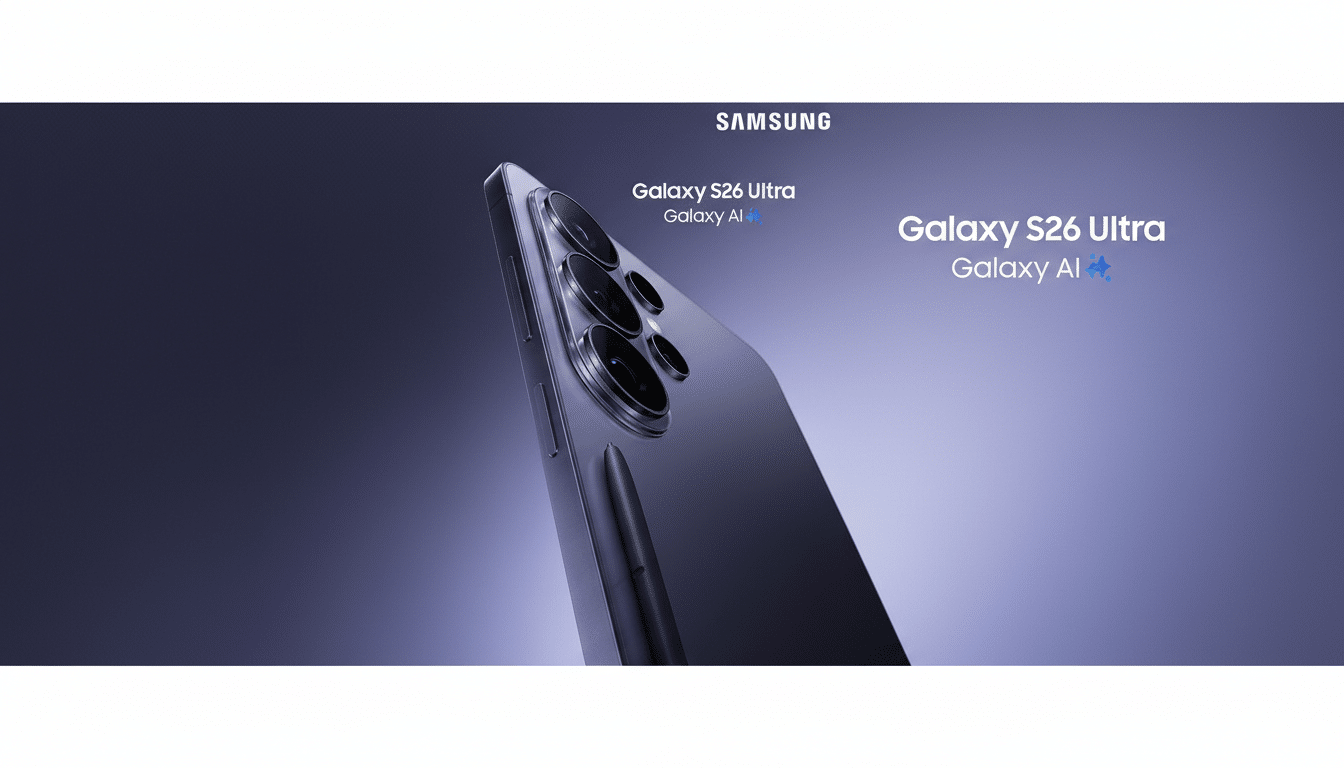
In real-world shooting, 3x is the portrait focal length you use constantly—for faces, food, and impromptu stage shots. A 10MP sensor with small pixels leaves less headroom for computational sharpening without artifacts. Lab testers like DxOMark have repeatedly noted that mid-zoom quality (around 3x–4x) is where many phones fall apart; it’s also the range where Apple and Chinese brands have surged through better optics and smarter processing. Apple’s recent Pro models tightened video stabilization and tone mapping at tele, while the likes of Vivo and Xiaomi pushed skin tone fidelity and bokeh accuracy at portrait focal lengths.
Yes, you can capture at 200MP and crop to simulate 3x, and in bright light that often beats the small 3x lens. But cropping crumbles faster indoors and at night. Unless Samsung bumps the sensor or adds a bigger pixel pitch with stronger multi-frame fusion at 3x, the S26 Ultra risks ceding everyday telephoto excellence to rivals again.
Design Concern: Boxy Beauty, Poor Ergonomics
The Galaxy S25 Ultra cut weight to about 218g—impressive on paper for a big-screen flagship—yet it felt harsher in hand than its heavier predecessor due to aggressively flat, sharp sides. Ergonomics aren’t about grams alone; they’re about pressure distribution and grip confidence. When an edge radius is too small, the frame digs into your palm, increasing localized pressure and fatigue over long sessions.
A now-removed video from a prolific leaker hinted at a similar boxy silhouette for the S26 Ultra. If the sidewalls stay flat with minimal chamfer or micro-curve, the phone may again demand a case to be comfortable. There’s a reason most competitors add subtle tapering or soft arcs: even a 1–2mm contour can spread load and reduce hot spots without sacrificing that squared, professional aesthetic.
Samsung nailed durability and a clean industrial look; it now needs to refine the hand feel. With more people using stylus features and multitasking on the go, small ergonomic changes have outsized impact on real usability.
Price Concern: Value Math Against Rivals
Pricing chatter around the S26 Ultra is split, but even holding at the S25 Ultra’s $1,300 starting point keeps Samsung in a tight spot. At launch, doubling base storage to 512GB helped, yet sticker shock remains when competitors undercut the entry price or bundle trade-in sweeteners more aggressively.
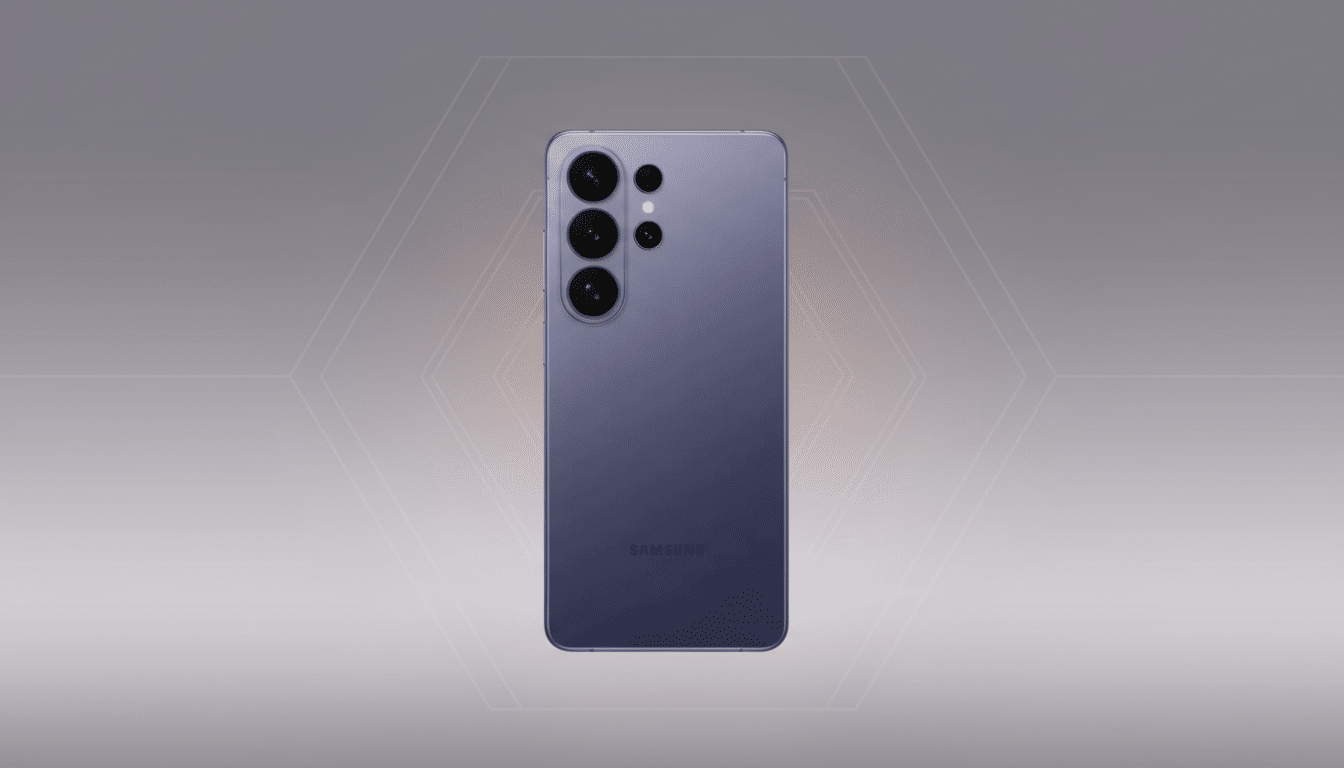
Component costs don’t help. Higher-grade OLED, stacked batteries, and multi-camera systems add up fast. Counterpoint Research has reported steady growth in the ultra-premium segment, but consumers in that tier are also more discerning—they compare camera consistency, comfort, and ecosystem benefits closely. If mid-tele photo quality and ergonomics lag, the value calculus tilts away from Samsung, especially for users who don’t need an S Pen.
Put simply, it’s harder to justify a four-figure purchase when the everyday basics—how the phone feels and how it captures at 3x—aren’t class-leading. A modest list of spec bumps won’t move the needle if the experience doesn’t.
The One Feature That Could Change Everything: Privacy Display
Samsung has teased a display-level privacy feature expected to debut on the S26 Ultra. Rather than relying on a physical privacy filter—which can cut brightness by 30–40% according to several accessory makers—the company is said to use pixel-level light control to narrow the viewing cone dynamically. In theory, that means your screen looks normal head-on but dims dramatically at off-angles, without sacrificing peak brightness or color depth.
If executed well, this solves a real problem for commuters, frequent flyers, healthcare workers, field teams, and anyone handling sensitive documents on the go. It’s a practical, always-with-you safeguard that software alone can’t replicate. Think of it as on-demand crowd-proofing: toggle the privacy mode in quick settings, keep clarity for you, and block the sidelines. For IT departments, a hardware-level privacy layer can complement existing mobile device management policies, strengthening compliance in regulated industries.
We’ve seen privacy screens for laptops and monitors, but integrating this capability at the OLED emission stage is a leap forward. It’s exactly the kind of meaningful, everyday benefit that justifies an upgrade—no learning curve, immediate payoff, and a clear advantage over rivals until they catch up.
Bottom Line: A Cautious Outlook With One Big Draw
I’m wary of another year with an underpowered 3x telephoto, a boxy chassis that bites into the palm, and pricing that strains the value case. Yet a smart, well-implemented Privacy Display could be a category-defining feature that I’d use daily. If Samsung pairs that with even minor ergonomic tweaks and better mid-zoom processing, the S26 Ultra could move from “close, but frustrating” to “must-have.” Until then, the upgrade case hangs on one very promising screen.
