


I’ve been firmly in the Pixel camp for years, largely because Google’s phones marry smart software with thoughtful hardware in a way that fits how I use a phone every day. The Galaxy line is consistently excellent, but incremental changes and a few stubborn pain points keep me from jumping. If Samsung wants to pry a Pixel loyalist like me away, the Galaxy S26 has to nail these five things.
This isn’t about spec-sheet one‑upmanship. It’s about solving practical needs with polish and restraint, backed by data and real-world experience. Get these right, and the S26 becomes more than a safe upgrade for Galaxy owners—it becomes a credible switch for Pixel users.
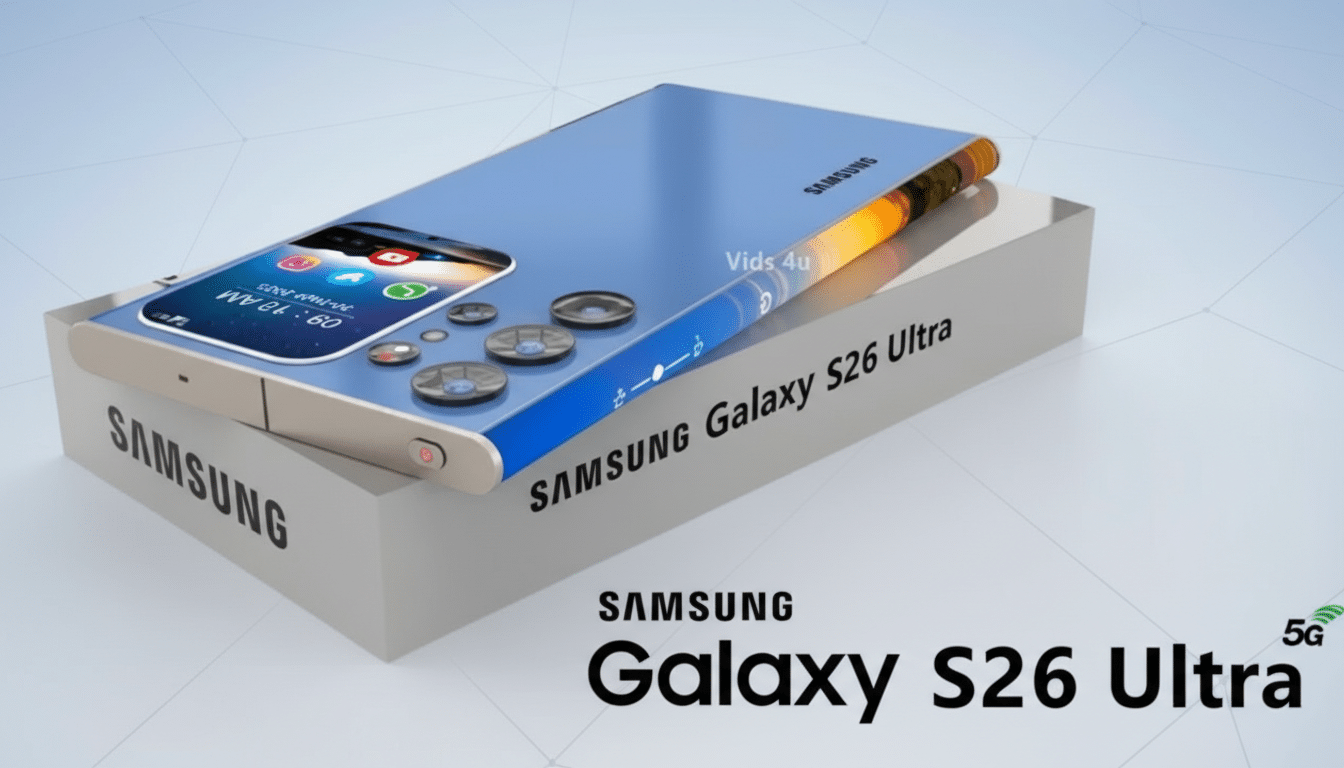
Make Qi2 Magnets Native And Useful Across The S26 Lineup
Qi2 is more than a buzzword. The Wireless Power Consortium built its Magnetic Power Profile to improve alignment, reduce energy loss, and standardize accessories across brands. In plain terms: magnetic snaps, fewer missed charges, and a thriving ecosystem of docks, wallets, and battery packs from companies like Anker and Belkin.
Pixels that embrace Qi2 magnets make everyday charging effortless—nightstand drops are precise, in-car mounts stay locked, and wallet attachments don’t require bulky cases. The S26 needs magnets integrated across the lineup, not just compatibility on paper. Pair that with consistent 15W Qi2 rates and smart thermal management, and you’ve got a platform users can build around for years.
Deliver Truly Fast Wired Charging Without Compromise
Pixel’s biggest day-to-day frustration remains its conservative wired charging. When rivals like OnePlus and Xiaomi routinely hit 80W–120W—often getting from 1% to 100% in under 30 minutes in third-party tests—30W starts to feel glacial when you’re sprinting out the door. Counterpoint Research tracking shows fast-charging adoption keeps rising because it solves the most universal pain point: time.
Samsung’s cautious approach has benefits for longevity, but modern charging controllers and battery chemistries can balance speed and health. The S26 should target at least 65W PPS with a hard 0–50% in 15–20 minutes, coupled with robust safeguards: adaptive charging, temperature caps, and bedtime trickle modes. Include a capable charger in the box—or at least make a PPS-certified option affordable and clearly labeled.
Put Flagship Zoom On The Non-Ultra Galaxy S26
Pixels made premium zoom mainstream by offering a 5x periscope in a comfortable, non-gigantic form factor. That matters because the best camera is the one you actually carry. Samsung’s long-standing strategy keeps the most impressive telephoto hardware for the Ultra, while the standard models lean on shorter 3x lenses and digital stretch beyond 20–30x.
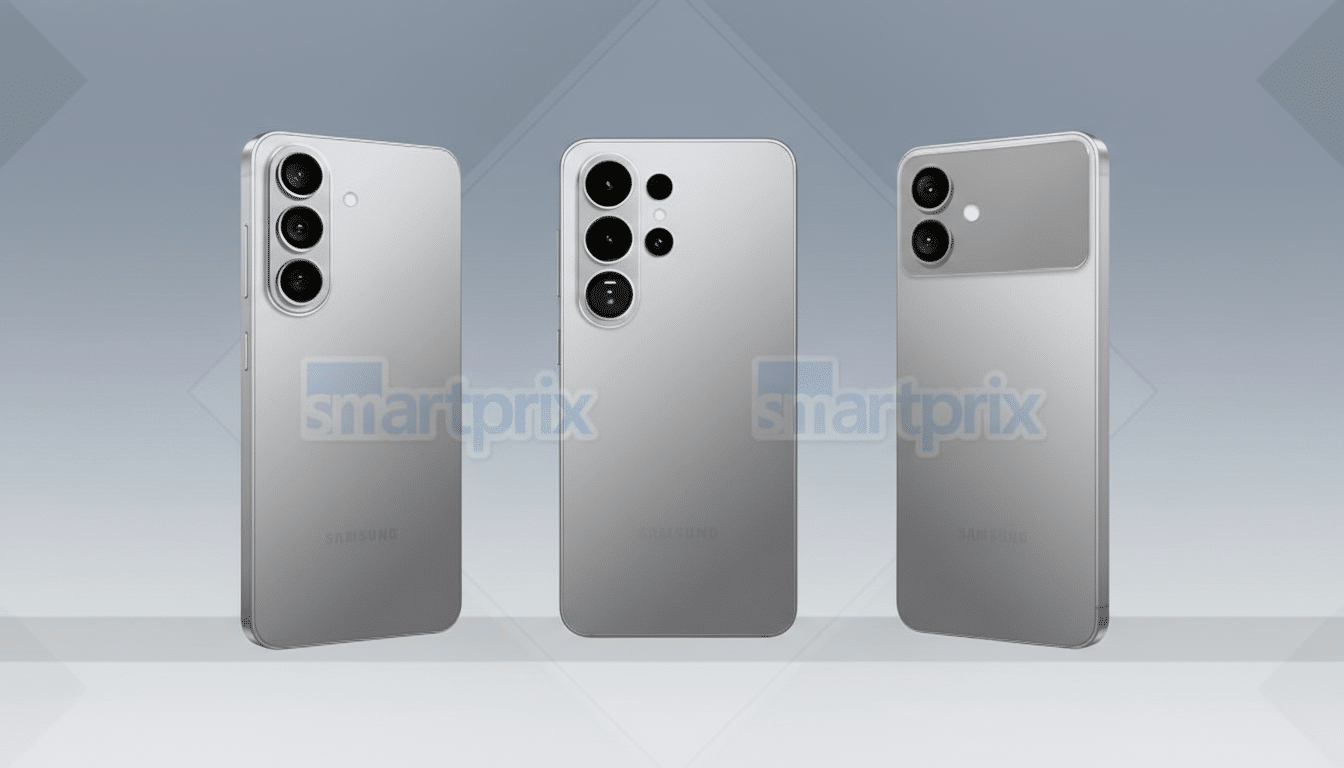
Give the regular S26 a bona fide long lens—ideally a 5x periscope or a high-resolution (50MP) tele module that enables lossless in-sensor crop at 10x. Pair it with Samsung’s already excellent multi-frame processing and tracking autofocus. Independent labs like DXOMARK have repeatedly shown that strong telephoto performance can lift overall camera scores and user satisfaction more than incremental main-sensor bumps. Don’t gate the fun behind the biggest, heaviest phone.
Add Class 3 Face Unlock For Payments And Wallets
Google proved with recent Pixels that you don’t need a complex sensor array to achieve secure biometric unlocks. By meeting Android’s Class 3 biometric standard, Pixel face unlock can authorize banking apps and tap-to-pay in Google Wallet—no fingerprint required most of the time. That “it just works” feeling is transformative.
Samsung’s current 2D face unlock is quick but not payment-grade on most models. The S26 should combine its powerful NPU, ISP, and camera stack to hit Class 3 thresholds consistently: low spoof rates, strong liveness detection, and robust performance in poor lighting. Tie it into Samsung Pass and Wallet so approvals are instant without compromising security. Convenience is a feature users feel dozens of times a day.
Offer A Cleaner One UI Option With Less Clutter
One UI is rich and customizable, but it can feel busy, with duplicate apps, promotional nudges, and settings scattered across deep menus. Pixels lean the other way: coherent Material theming, minimal cruft, and fewer distractions. Neither approach is objectively “right,” but choice would be powerful.
Give the S26 a streamlined setup path—call it One UI Core—that defaults to Google’s dialer, messages, and wallet, disables promotional notifications out of the box, and reduces app duplication. Keep power features for those who want them, but prioritize clarity and restraint. Samsung already matches industry-leading update promises, so polish the experience users live in every minute and let Galaxy AI enhancements shine without the noise.
If Samsung ships the S26 with native Qi2 magnets, genuinely fast wired charging, long-lens zoom on the standard model, payment-grade face unlock, and a lighter software option, I’d seriously consider switching. It’s not about chasing specs—it’s about respecting time, trust, and usability. Nail those, and even hardened Pixel fans will take notice.
