


Samsung’s latest midranger is sending an uncomfortable message: the Galaxy A57 looks set to deliver the practical upgrades many Galaxy S buyers have been waiting for, underscoring how the base S and S Plus have slipped from the company’s innovation front line. The Ultra and foldables may carry the spotlight, but it’s the A-series that’s now modeling the changes everyday users actually feel.
Midrange Gains Expose Flagship Stagnation
Last year’s Galaxy A56 moved to 45W charging with a 5,000mAh cell, a combo Galaxy S owners had been requesting for ages. In reviewer lab tests, the A56 consistently reached 50% in roughly 22 minutes and 75% around the mid-30s, while staying cool at under 30°C during fast top‑ups. Comparable measurements on the base Galaxy S model showed slower 25W charging, about 27 minutes to 50%, closer to three‑quarters of an hour to hit 75%, and peak temps above 40°C.
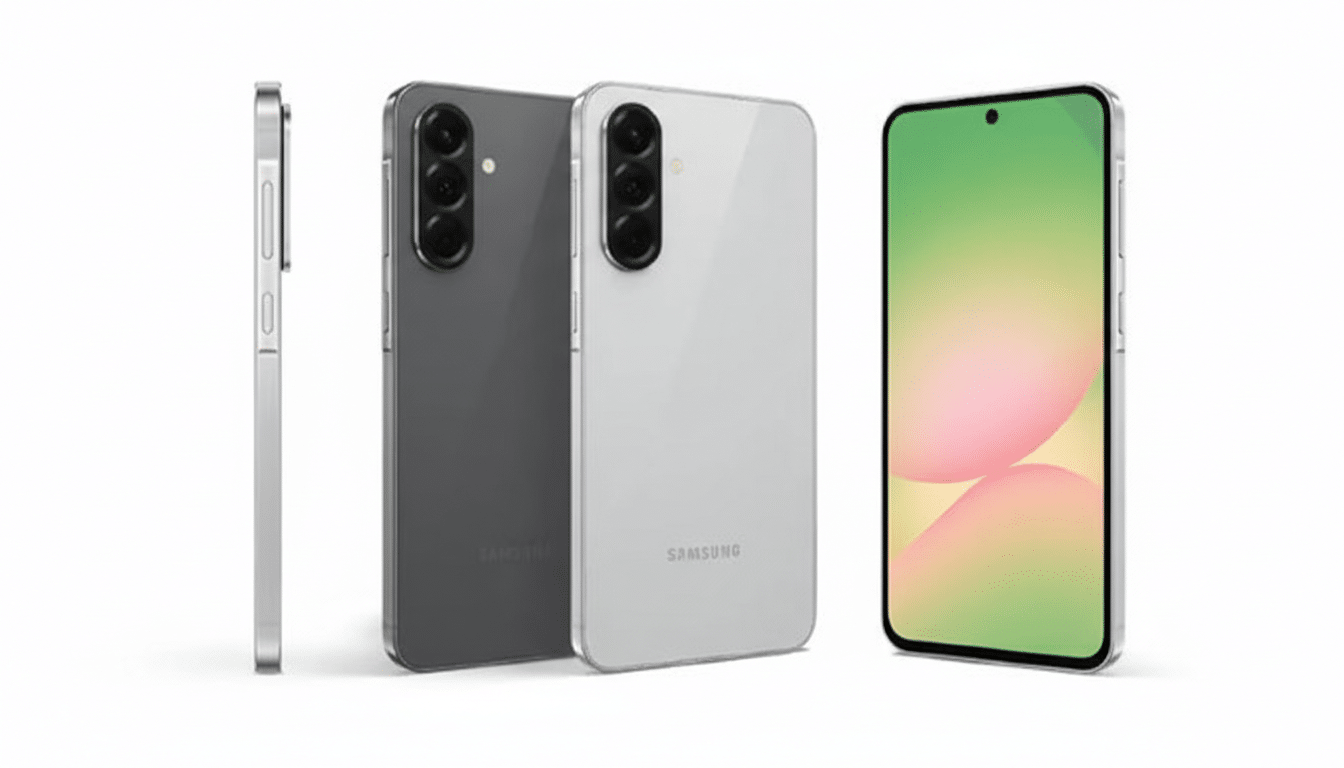
The A57 doubles down. Supply chain chatter points to a slimmer body (near 6.9mm), a dramatic drop in weight (around 162g), and the same 5,000mAh battery with 45W charging. Storage may move to a 256GB baseline and RAM to 8GB. None of this makes the A57 “better” than an S-series on raw performance or camera prowess, but it is the kind of meaningful year‑over‑year progress that buyers notice.
By contrast, the standard Galaxy S and its Plus sibling have tiptoed forward: modest battery bumps, conservative charging, incremental camera tweaks, and design nips and tucks. If Samsung can engineer a thinner, lighter midranger with bigger battery and faster, cooler charging, the argument that these features are too costly or risky for the base S rings hollow. This looks like deliberate feature gating, not a technical limitation.
Follow the Incentives That Drive Samsung’s Strategy
Analysts have been clear about Samsung’s incentive structure. Counterpoint Research and IDC have repeatedly shown that A‑series devices account for well over 50% of Samsung’s smartphone shipments in recent years, while the Ultra skews average selling price and profit. It’s rational for Samsung to push halo innovation into Ultra and foldables, then defend the high‑volume midrange with aggressive, tangible upgrades where competition from Xiaomi, OPPO, and OnePlus is fiercest.
On earnings calls, Samsung has also emphasized disciplined cost control and component allocation. Premium‑grade cameras, stacked batteries, and exotic materials flow to the Ultra because they move margins and marketing narratives. The midrange gets fast charging and big batteries to blunt rivals. The quiet loser is the base Galaxy S, which risks becoming a carrier‑bundle placeholder rather than a must‑upgrade flagship.
Rivals Are Setting the Pace in the Competitive Midrange
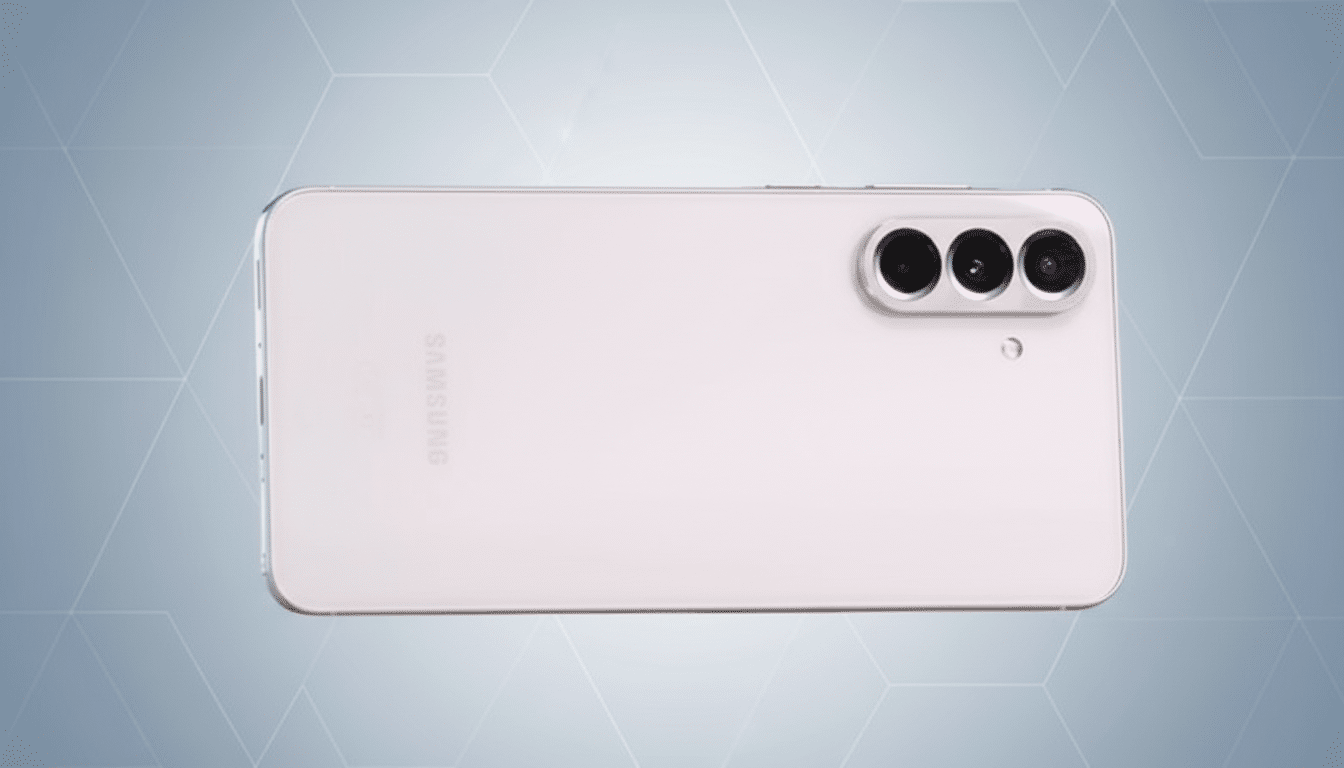
In the $300–$600 bracket, competitors treat 5,000mAh batteries and 67W–100W charging as table stakes. Canalys has tracked how these features migrated from Chinese flagships to mainstream models in Europe, India, and Southeast Asia, reshaping buyer expectations. When a midrange phone jumps from near empty to half a tank in twenty minutes while staying cool, users feel it. When a base flagship does not, they notice that too.
Apple offers a cautionary parallel. Its standard iPhone has leaned on stability while the Pro line carries the tech torch. Samsung appears to be mirroring that playbook, but with a critical twist: Android buyers have abundant like‑for‑like alternatives, and switching costs are lower. Letting the base Galaxy S coast invites erosion from both sides—value‑hungry midrange and spec‑heavy upper‑mid devices.
What Would Fix the Base Galaxy S to Stay Competitive
The blueprint is obvious because the A57 already shows it. Give the base S a 5,000mAh battery, at least 45W charging with sustained thermal headroom, and 256GB storage as standard. Add a meaningful camera upgrade—faster autofocus or a larger primary sensor—plus USB 3 speeds across the line. Keep the Ultra’s differentiation in materials, zoom hardware, and top‑tier display tech, but stop withholding everyday essentials from the entry S.
Samsung has proved it can deliver seven years of OS and security updates, so longevity is not the problem. The issue is experiential value in year one. If the midrange gets the convenience features and the Ultra gets the wow factor, the base S must at least feel decisively modern, not merely adequate.
The Bottom Line for Samsung’s Base Galaxy S Strategy
The Galaxy A57 doesn’t just look like a strong midrange phone—it reads like a verdict. Samsung can build thinner phones with bigger batteries and faster, cooler charging when it wants to. If those upgrades continue to bypass the standard Galaxy S, the conclusion is unavoidable: Samsung has effectively ceded innovation in its core flagship tier to focus on Ultra and foldables. That may be good for margins in the short run, but it risks turning the base S into an afterthought—and teaching loyal buyers to look elsewhere for meaningful change.
