


The Federal Trade Commission has opened an investigation into whether Instacart improperly used tips to subsidize the minimum payments that workers were guaranteed, while also filing a lawsuit alleging the same. The agency, which said that it had been “disturbed” by the allegations, issued a civil investigative demand to the company requesting information on how the pricing experiments function and what consumers are told about them, Reuters reported.
Why the FTC is investigating Instacart’s AI pricing tests
At issue in the investigation is whether AI-powered pricing experiments Instacart uses are unfair or deceptive under Section 5 of the FTC Act. A civil investigative demand works like a subpoena, requiring that documents, information and testimony be provided. Regulators are homing in on transparency: If two shoppers load the same app at the same time and see different prices, do they get a clear toggle that tells them they’ve been placed in an experiment?
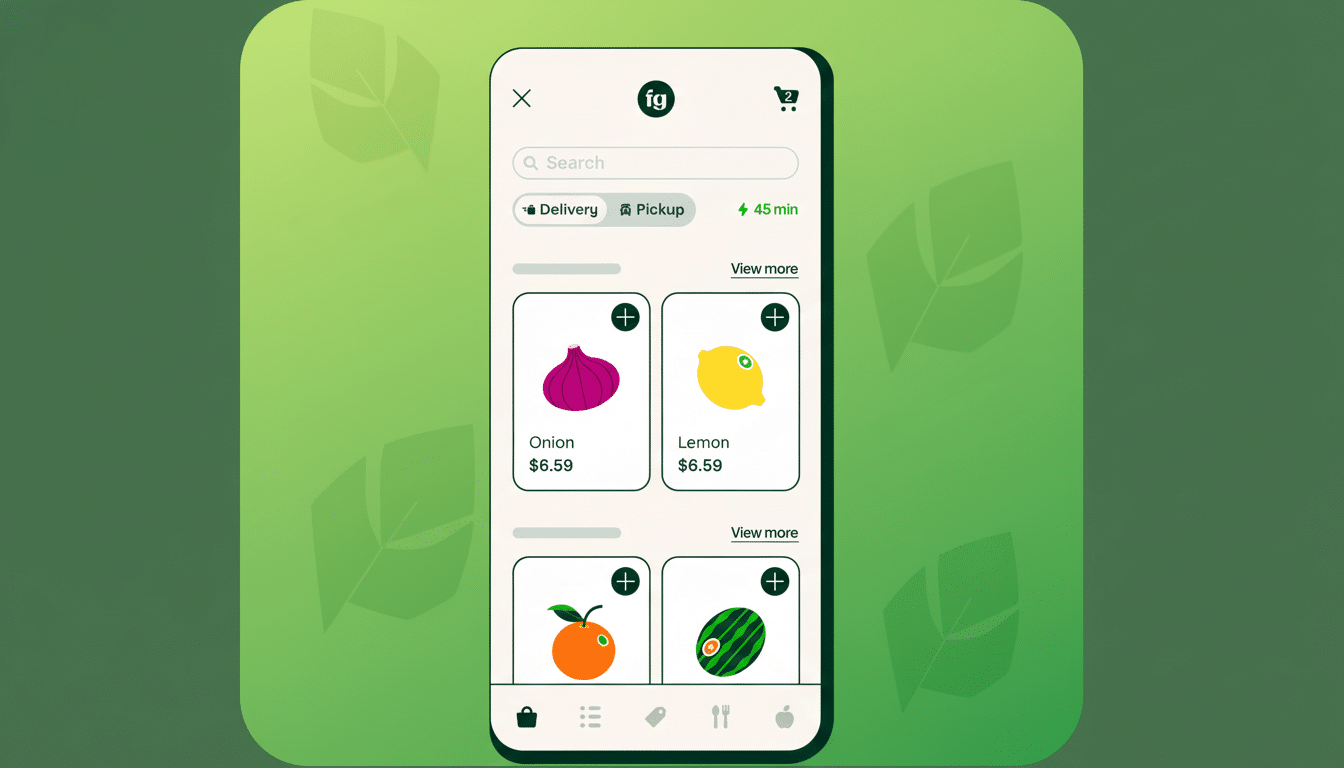
AI-driven dynamic pricing is not new in retail or e-commerce, but the agency has said that algorithmic approaches can cross a line when they obscure material information or result in an outcome that disproportionately harms some consumers. The problem goes beyond price swings to how they conduct experiments, what data inform them and whether their disclosures are good enough.
What Eversight does and how it powers Instacart’s tests
Instacart acquired Eversight in 2022 for $59 million. The software is advertised as a way for brands and retailers to conduct ongoing randomized tests — think of it as A/B testing at scale — on promotions and prices, then use machine learning to move ever closer to the ideal equation. That approach means different customers might see different prices for the exact same items, even in the same metro area and time window.
Instacart maintains that the media has misunderstood how the platform’s pricing operates. The company says retailers are free to set their own prices, and that the experiments were small-scale with a precious few partners. It compares the tests to longtime in-store pilots where two stores test different price points. The essential difference online, consumer advocates argue, is that while you’re shopping in the same “storefront,” a shopper may have no idea that their experience is different from a neighbor’s.
What researchers found in recent Instacart pricing analyses
Another recent report by Groundwork Collaborative, Consumer Reports and More Perfect Union documented variable pricing for generic products on Instacart. One example cited online was Lucerne dozen eggs at a Safeway in Washington selling for between $3.99 and $4.79. On average for the products reviewed, the difference in price ranged from 13% below to 13% above the lowest or highest observed value across stores.

Those families could pay an estimated $1,200 more a year for the tests, the groups estimate. That number isn’t a mathematical forecast, per se — it’s more of a directional estimate — but it drives home how the little things can add up over weekly grocery runs. And the stakes are even higher in categories like staples and household essentials, where shoppers have become accustomed to predictability.
Instacart’s defense and the broader industry context for AI pricing
Instacart says its retail partners set prices and it works to match those in the store when it can. The company characterizes the tests as just standard experimentation to figure out what consumers care about and keep essentials’ prices low. In physical stores, price tests frequently cross several store locations or weeks; online, algorithms can run dozens of microtests at once, speeding up and making less obvious any changes in conditions.
Dynamic and personalized pricing is common in e-commerce, travel and ride-hailing. The policy discussion isn’t about whether there should be price optimization at all — it’s around guardrails: clear disclosures, limits on the use of sensitive information and treating similarly situated customers consistently. Without transparency, two people filling similar carts might encounter different totals without an explanation, even if the practice is legal.
What could happen next in the FTC’s Instacart pricing probe
Lawmakers have already begun weighing in. In a letter to the FTC, Senate Majority Leader Chuck Schumer asked the agency to institute prominent labels when consumers are enrolled in pricing tests. And if the FTC identifies issues, remedies could range from requirements that companies disclose their use of such pricing tools to subjecting price experiments with them to limitations or an audit on data and models, or perhaps even deleting algorithmic underpinnings used in cases where tools were trained using illegally obtained data — a remedy it has imposed in other AI cases.
For Instacart and its retail partners, the investigation is a referendum on how much digital price experimentation can push at the margins before it undercuts consumer perceptions of fairness. For the wider market, the case could create a model on AI pricing transparency — determining when randomized trials are permissible and how they must be disclosed, as well as offering up protections when algorithms set the checkout total. In a grocery economy where every dollar is crucial, those rules are likely to matter far beyond any single app.
