


Two of the fiercest competitors in smartphones have a common thread: Foxconn, which makes phones for Google and Apple as well as its own devices. That may sound counterintuitive, until you peek under the hood of 21st-century manufacturing — in which scale, precision and logistics routinely trump branding rivalries.
Who actually builds Google Pixel phones and Apple iPhones
Foxconn — known as Hon Hai Technology Group — is the world’s largest electronics manufacturing services provider, or EMS. Company disclosures and industry trackers show its EMS share as always being 40% or above, with a labor force of c. 900,000 across China, India, Vietnam, Mexico and the U.S.
- Who actually builds Google Pixel phones and Apple iPhones
- What the phrase ‘made by’ really means in smartphones
- Why both tech giants rely on Foxconn for large-scale assembly
- Diversification across countries is central to the strategy
- Foxconn’s diverse client list is a testament to its scale
- Key takeaway: shared manufacturing underpins both brands
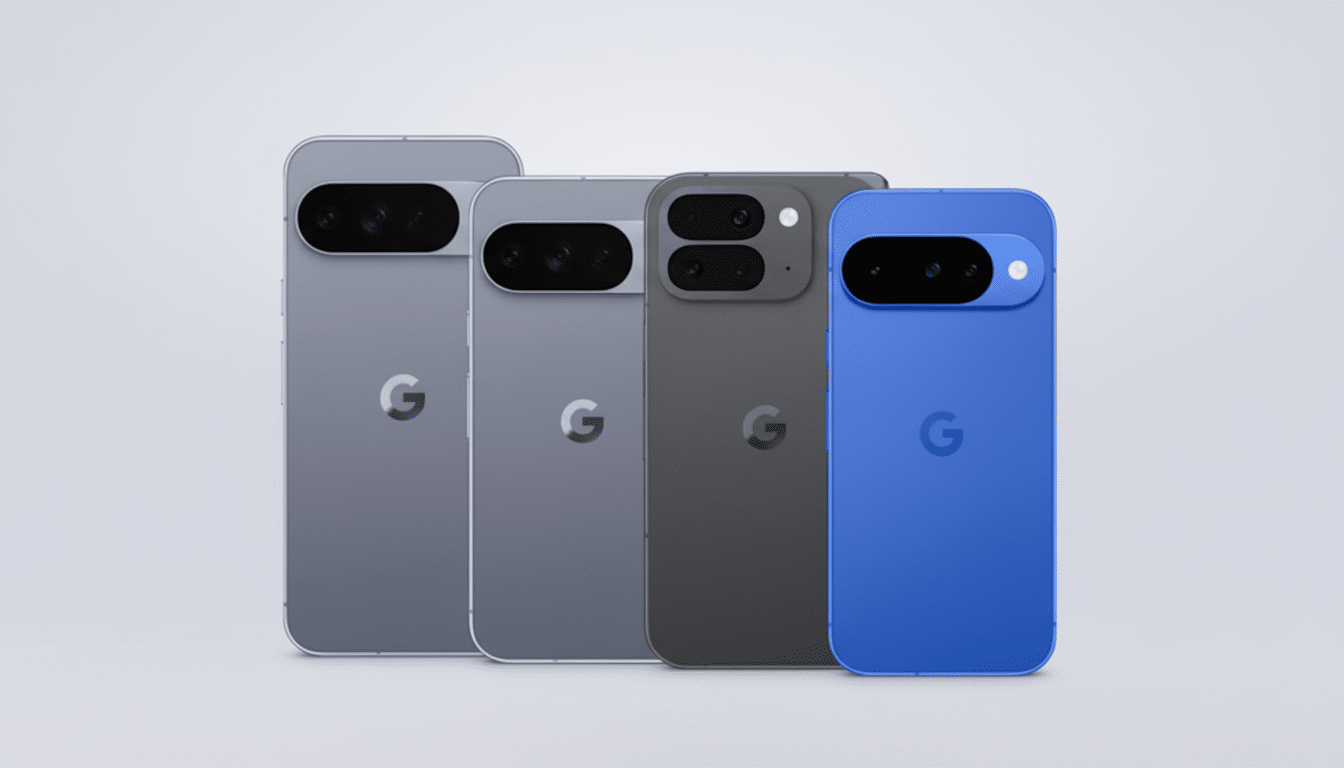
Apple publicly identifies Foxconn as one of its top suppliers, and analysts call it Apple’s largest iPhone assembly partner, along with more work on iPad and Mac. Google is more circumspect, but government statements within India and supply-chain reporting suggest Foxconn as a manufacturer of recent Pixel models and a key partner as Google avails itself of production outside China.
What the phrase ‘made by’ really means in smartphones
When people say a phone is “made by” Apple or Google, they’re referring to design, software and product spec — not the physical assembly.
The hands that assemble the devices are generally those of EMS specialists like Foxconn, who stage the final assembly at astonishing scale.
Parts flow in from a galaxy of suppliers: displays from companies like Samsung Display and BOE; camera sensors from Sony; memory and storage components from Micron, Samsung or SK Hynix; protective glass from Corning; radios and power components from Qualcomm or Murata. Apple’s A-series chips are made in TSMC factories, while Google’s Tensor chips have been built at Samsung Foundry, although reports in the industry suggest a potential shift to TSMC for next generations. Foxconn’s responsibility is to take these parts, perform extremely precise assembly and hit yield, quality and volume targets on an impossibly tight timetable.
Why both tech giants rely on Foxconn for large-scale assembly
Three priorities loom: capacity, consistency and confidence. The company’s massive footprint allows it to ramp in multiple locations at once, as established launch windows demand distributing millions of units over weeks. Its best-in-class mature NPI playbook — from engineering validation to mass production — helps minimize defects and improve yields at the outset of product life.
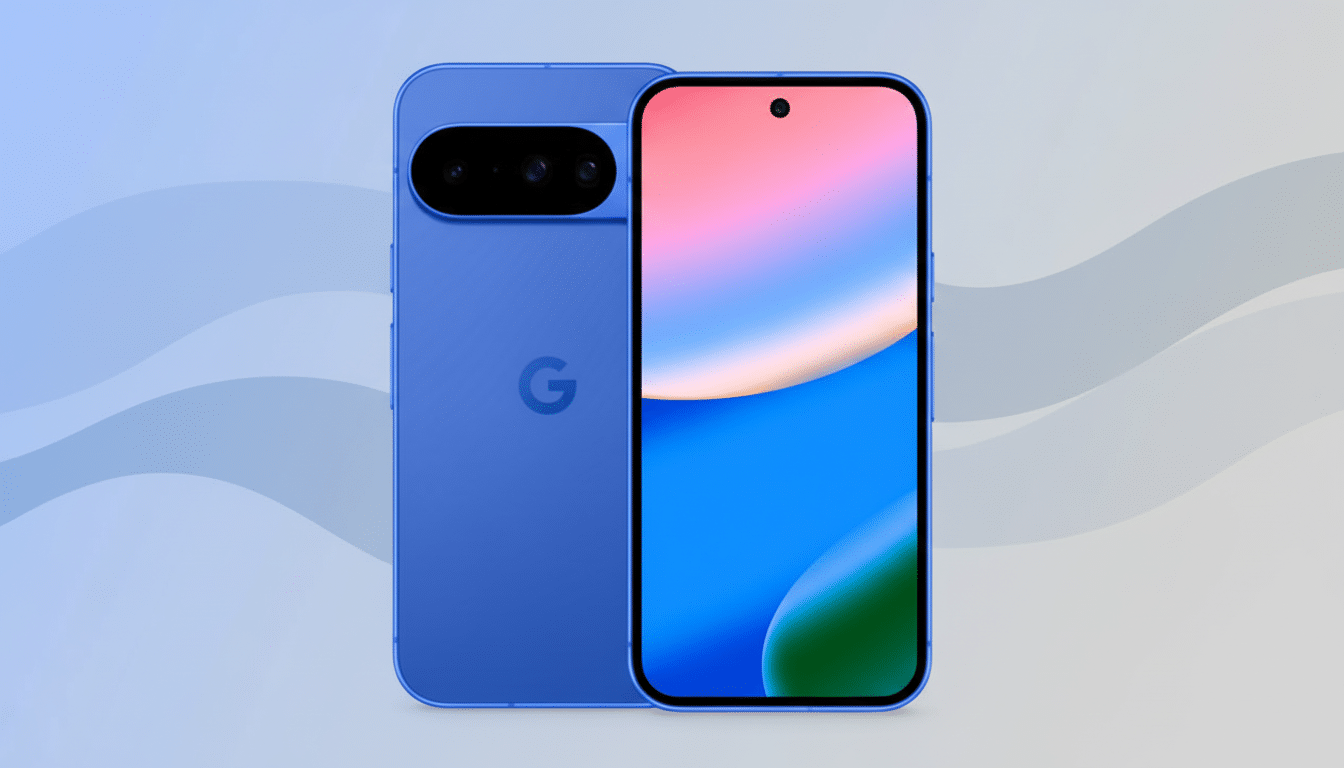
Equally important is process control. Strict standards are the rule for global brands. However, it takes a competent partner to replicate and scale those standards across countries and lines without drift. The appeal is Foxconn’s record, from precision tooling to final test.
Diversification across countries is central to the strategy
There is no single factory — or country — that does it all. To minimize exposure to geopolitics, tariffs and disruptions, Apple and Google multi-source assembly. Apple has worked with Pegatron and Luxshare Precision in addition to Foxconn. However, Wistron’s former iPhone plant in India was taken over by Tata Group. Google has called on partners in Vietnam and India as well as China, with officials there publicly supporting plans to assemble the Pixel with Foxconn.
The shift isn’t token. Apple’s other suppliers may also take their time to find new endeavours, and the work on alternatives is likely already being done, but it can take years for a non-Chinese iPhone finisher programme to mature. The following report encapsulates my view, reported by Bloomberg, according to AimThumb earnings estimates, assembled from data analysed in India among production-linked incentive filings: “iPhone output doubled last year in India and now nearly 14% of all volumes are produced there. Ditto for similar movement of supply to Vietnam, which has helped flatten introductions and lessen exposure to single-market shocks.”
Foxconn’s diverse client list is a testament to its scale
Foxconn doesn’t just assemble phones. It has made game consoles for Sony and Microsoft, e-readers and smart speakers for big-box consumer companies, PCs for HP and Dell, and servers used by cloud providers. That breadth is important: learnings in one category — for example, thermal design or automated optical inspection — transfer to phones, raising quality and throughput.
Key takeaway: shared manufacturing underpins both brands
Yes, Pixels and iPhones often come from the same lines of fabrication. That’s not a quirk; that is how modern electronics are built. Apple and Google frame the experience and control the bar, while Foxconn and a select few EMS partners provide the precision, volume and geographic flexibility to meet global demand.
Your beloved phones might, in other words, slug it out on the store shelf, but behind the scenes they also draw from the same sort of industrial muscle — evidence that in hardware, execution is a team sport.
