


Amazon is bestowing dedicated hardware upon its reimagined assistant, Alexa+. The company also announced four devices that are specifically designed to house those new AI experiences: Echo Dot Max, Echo Studio, Echo Show 8 and the newly reconfigured Echo Show 11. Besides the revitalized industrial design, each model is built around Amazon’s internally developed AZ3 silicon and Omnisense sensor platform, intended to make Alexa+ faster, more contextual, and more proactive within the home.
Alexa+ Has Dedicated Silicon And Sensors
Key to that lineup is the AZ3 chip family, with its Pro variant taking things in a classier direction. Amazon’s AZ-series processors previously delegated more voice processing to the edge; AZ3 extends that concept by having Alexa+ operate on-device AI models that reduce latency, handle multi-turn conversations, and store more data on the device. The company says that this leads to snappier responses and richer context, with the cloud employed for more heavy lifting when necessary.
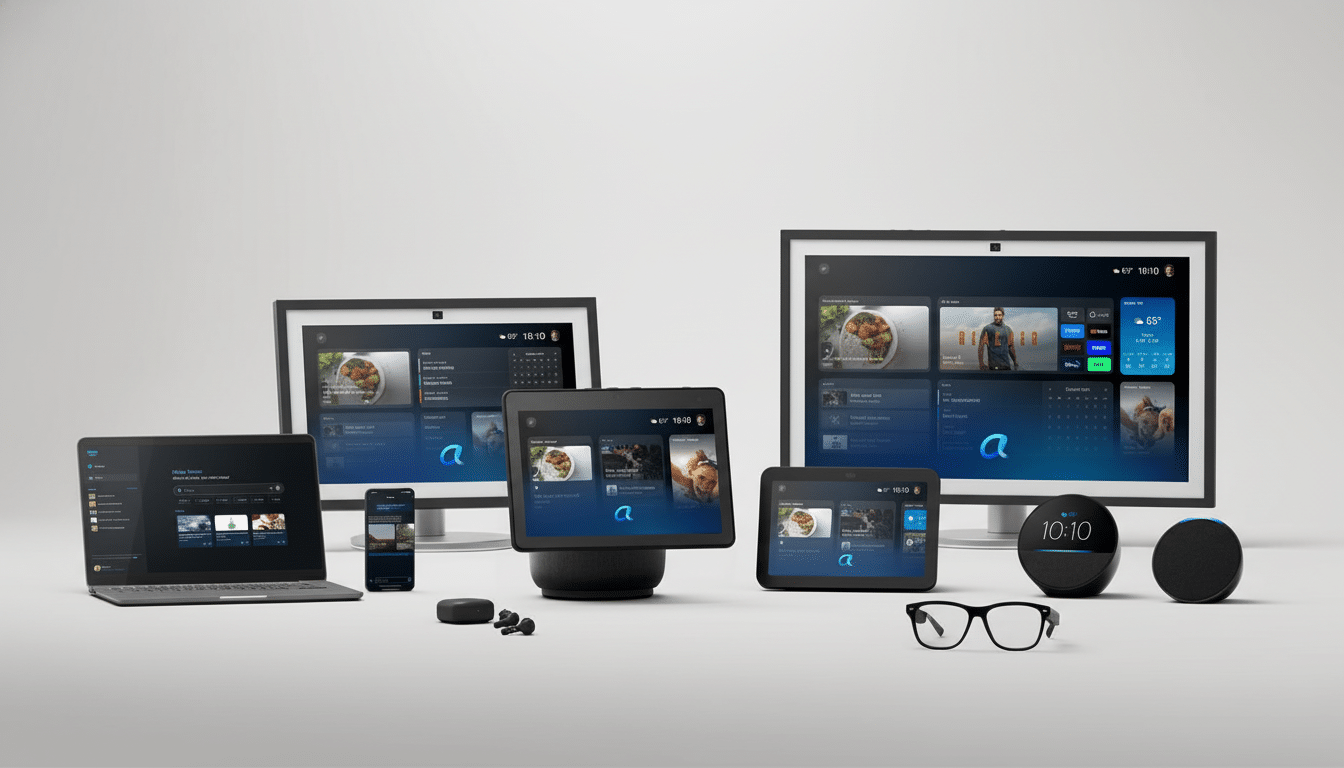
The other new pillar is Omnisense. With a combination of microphones, ambient sensors and — on Echo Show — computer vision, Echo devices can sense presence and state changes and respond proactively. Think timely notifications when a particular person enters a room, or a nudge if the garage door still isn’t locked late at night. It’s a transition from reactive wake-word commands to AI that can predict intent without constant prompting.
Echo Dot Max And Echo Studio Have A Focus On Audio
There are two models: Echo Dot Max ($99.99) is the smallest, a compact sphere with front-facing controls and, finally, dual speakers. Amazon promises you three times the bass of the fifth‑generation Echo Dot, eliminating a trade-off that’s been present for generations when size and sound mix. With AZ3 inside, the Dot Max is more of a music puck; it’s actually an effective Alexa+ endpoint for questions and control of the smart home in conversation.
Audio purists remain Echo Studio’s target with the Echo Studio ($219.99). The new model is significantly smaller — Amazon says about 40 percent smaller than the previous Studio — though it hasn’t left behind Dolby Atmos or spatial audio support. Fire TV Sticks now also support linking to up to five units of the Echo Dot Max or Studio, allowing users’ living rooms to move on from the chintzy speaker systems built into their television sets for a more enveloping (and wire-free) array system that conveniently does double duty as a voice-first media center.
Echo Show 8 And Echo Show 11 Lean In On Proactive Displays
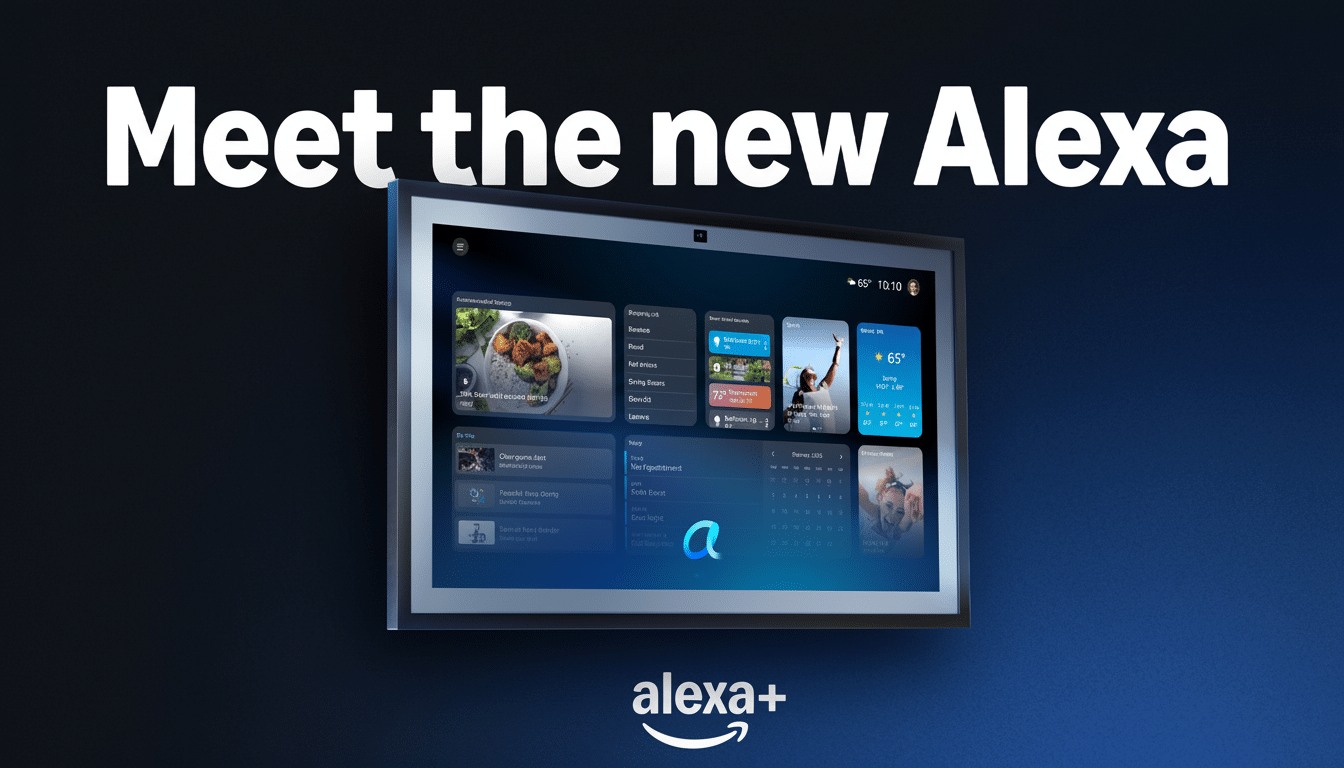
Alexa+ comes to touchscreens in the Echo Show 8 ($179.99) and the Echo Show 11 ($219.99). Screen size is the big differentiator, but both models have enhanced their displays and cameras. With on-device recognition, they can customize the interface as a household member approaches — surfacing calendar snippets, smart home tiles or media you’re likely to want at that time.
They still perform the familiar Show tasks, acting as smart home hubs, kitchen companions and little entertainment spaces for podcasts and audiobooks. Amazon is leaning into wellness integrations, too; linking an Oura account would allow personalized health and recovery advice to be served up contextually on-screen, a vision of where ambient computing and personal metrics could intersect under the auspices of Alexa+.
Omnisense Brings Presence-Based Context To Echo
Proactive help is a tricky thing. Omnisense seeks to transform environmental signals into timely, useful nudges — without seeming creepy. Notifications that, say, a door was left open or the lights are still on past bedtime are obvious wins. Gentler examples are subtly modifying routine recommendations or telling a user about a package when they move in front of an Echo Show. The heavy lifting happens locally, Amazon says, with privacy features such as microphone mutes and camera shutters remaining in place.
This push fits broader industry trends. Google has poured resources into presence sensing on Nest devices, while Apple leans on on-device intelligence throughout the iPhone and HomePod for privacy-conscious duties. The distinction here is Amazon’s end-to-end stack: custom silicon, a growing sensor platform and a conversational assistant capable of carrying context across devices in a house. Done right, Alexa+ on Echo should feel less like a voice remote and more like an upgrade to a trusted housemate.
The Big Picture For Alexa Hardware And Smart Homes
Analysts at Canalys and IDC have generally ranked Amazon among the top in worldwide smart speaker shipments, but that category has grown up. Future growth will rely on better helpers and closer integration with TV, audio and home control. A world of Echo hardware around Alexa+ and on-device AI is a clear shot at reigniting adoption with real advances that users can feel — quicker responses, smarter prompts and better sound.
For shoppers, the cue is simple.
- Echo Dot Max ($99.99) is the small-room option that finally punches above its own weight.
- Echo Studio ($219.99) is for cinematic audio or connecting to a Fire TV.
- Echo Show 8 ($179.99) is good for desks and counters.
- Echo Show 11 ($219.99) fits in common spaces.
All of the above are designed to highlight Alexa+ and, as far as Amazon is concerned, that’s the whole point: make it meaningful and useful for the assistant to be better, then let the hardware disappear into the background.
