


The last time technology rewrote the work economy, we got webmasters, cloud architects and social media managers — jobs few people had predicted five or 10 years earlier. Artificial intelligence is kicking off a similar shakeout and some of the most meaningful jobs don’t even exist at scale yet. According to a new survey from Rev, 85% of American workers believe AI prompting will be a crucial skill within the next five years, but prompt writing is only a taste of what’s ahead.
Global outlooks underscore the shift. The World Economic Forum predicts that 44% of workers’ skills will be disrupted by 2027, IBM’s Institute for Business Value says about four in ten (38–43%) will require reskilling within a decade, and McKinsey & Company forecasts that approximately 14% of the global workforce is ready to transition into new work. As they transition from pilots to production, organizations will need people who can steer agentic systems, minimize risk, as well as transcribe machine output into human value.
Why New AI Jobs Are Proliferating Across Industries
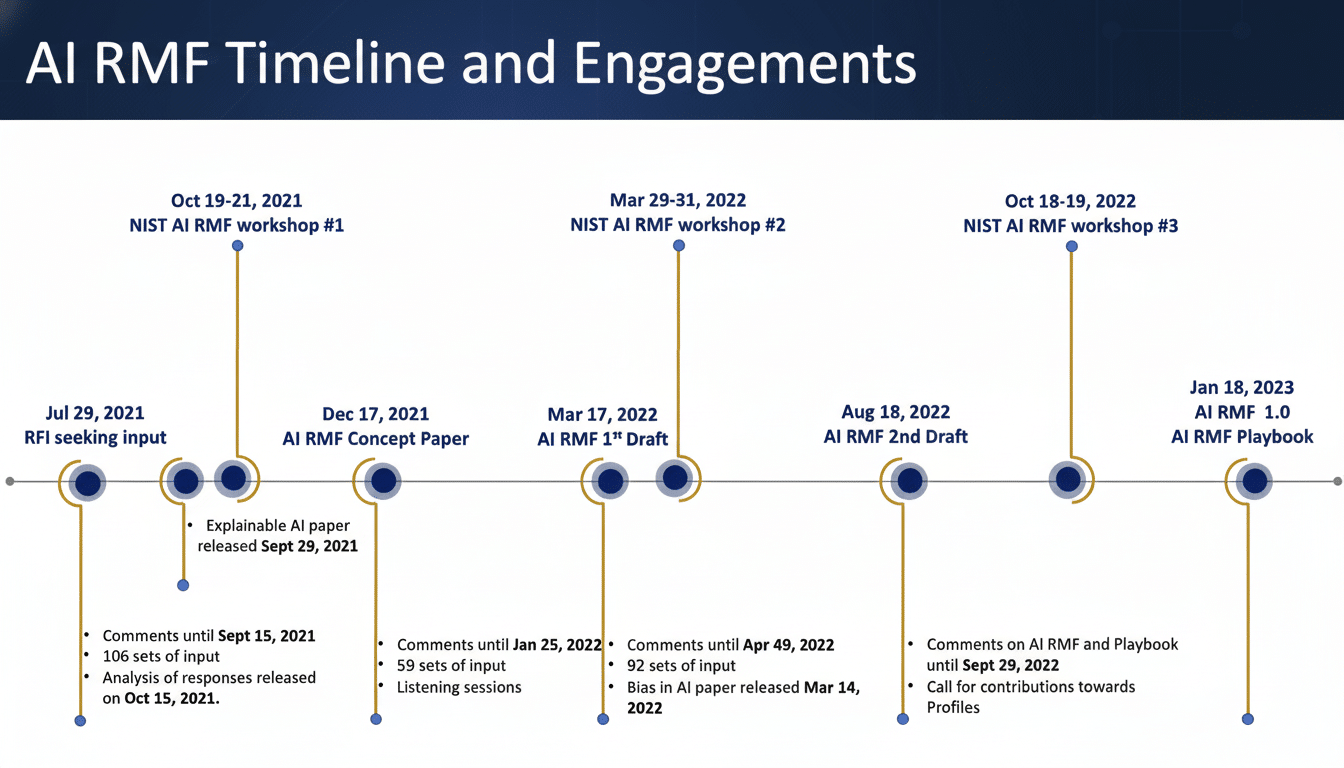
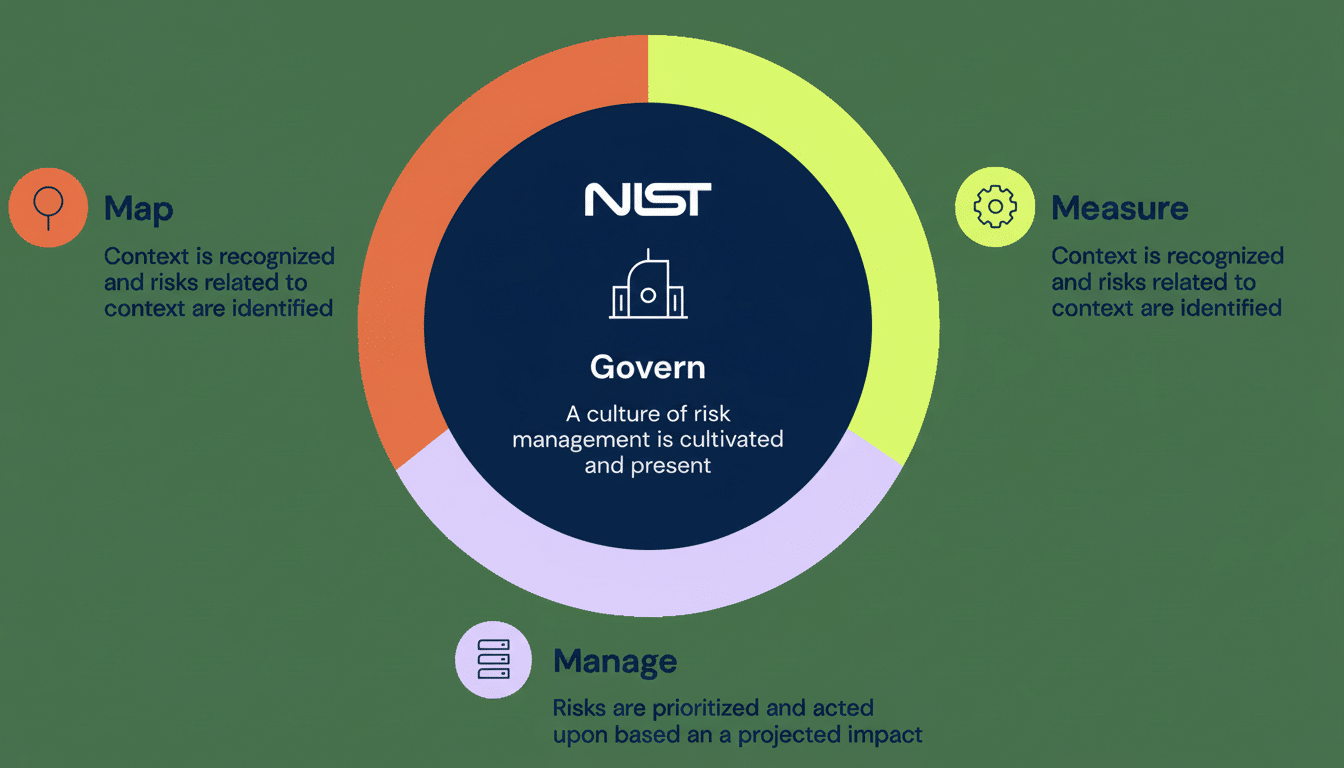
Two forces are driving demand. First, organizations are increasingly deploying autonomous and semi-autonomous agents that execute on data, rather than simply reporting summary statistics about the world; that puts the onus of safety, alignment, and accountability on a new level. Second, regulation is tightening. Frameworks like the NIST AI Risk Management Framework and ISO/IEC 42001 for AI management systems force businesses to document model behavior, measure performance and demonstrate controls. That will require new kinds of experts at the intersection of technology, policy and operations.
Eleven New AI Job Titles Emerging Right Now
Forensic viber: It’s like the black box in aviation, but for AI incidents. When a model responsible for overseeing a car, trading system, or clinical process crashes and burns, someone needs to piece together the chain of prompts, context windows, weights, and tool calls that caused it to fail. Forensic vibers translate high-dimensional logs into the language of root causes that humans understand, suggest treatments, and assist regulators and insurers in fixing blame. This role is inevitable given the fact that the EU’s AI Act puts significant weight on traceability.
Agent behavior coach: As companies roll out fleets of autonomous agents, coaches establish the “house rules” — brand voice, escalation paths, tool permissions, and ethical lines in the sand. They calibrate policies, reward functions and guardrails to ensure agents maximize for Y without venturing into danger, then audit results against metrics like latency, cost or harm reduction.
Responsible AI engineer: Part safety engineer, part product owner, this position is the person who makes governance real. Practitioners make human-in-the-loop checks, construction and red-teaming pipelines, injection of content filters, and model cards & data sheets. They conform to standards like the NIST AI RMF and ISO/IEC 42001, execute fairness and robustness tests, and validate that changes will not cause regressions or introduce unintended biases.
Cognitive architect: If software is co-authored by agents, it will require some designer to produce a blueprint of thought. Cognitive architects break down business problems into tasks, specify data dependencies and choreograph multi-agent workflows with frameworks such as LangChain or AutoGen. The deliverable is not code, but a logic spec that produces trustworthy, auditable systems.
AI psychologist: Our systems are showing behaviors that seem to be released from shackles that look like bugs, not like special cases of an algorithmic system. AI psychologists turn these patterns into interventions using tools borrowed from statistics, interpretability or human factors — for example, constitutional directives (à la Asimov), reward shaping or curriculum learning to guide systems toward safety and stability.
Human–AI interface designer: After chat windows, the next wave of interfaces is multimodal and ambient. Designers in this lane integrate HCI, voice UX and cognitive psychology to design experiences where assistants predict intent, specify the certainty of their predictions, report on sources, as well as gracefully hand off to humans. The aim is to trust and be transparent without friction.
AI detective: Crime is changing with the ability to do so. Warnings have also come from Europol about the misuse of large language models used for fraud, social engineering and cyber intrusion. AI detectives combine digital forensics with model auditing — tracking autonomous agents, attributing synthetic identities and protecting chain of custody for AI-generated evidence used in court.
AI ritual designer: Tools change behavior; habits make the change stick. Ritual designers choreograph daily touchpoints — standups with copilots, focus sprints with generative research, end-of-day review prompts — to boost productivity (while containing alert fatigue). They use behavioral science to make sure adoption boosts teams, rather than stressing them out.
AI and real-life integration coach: People crave a practical playbook. These coaches assess a client’s workflow, suggest the appropriate virtual assistants, set limits on sharing data, and craft offline recovery time to ease cognitive load. The American Psychological Association has called out an increase in the tech-fueled burnout we’re all feeling; this position approaches AI as a fitness routine, not a fad.
Edge engineer: Latency is like polio for real-world autonomy. Edge engineers push perception and decision making onto chips near the sensors — customized quantization, pruning, and compilation for things like the NVIDIA Jetson or Qualcomm AI engines. They help integrate sensors, default power usage, and safety fallbacks in robots, vehicles and wearables.
AI steward (health care): Hospitals require translators between models and clinical reality. Curators prune and normalize feature data, map the outputs to common standards such as HL7 FHIR, and test model behavior against Good Machine Learning Practice. They help to make sure things like summaries, triage recommendations, or coding assistance are valid, interpretable and patient-focused.
Skills and Market Signals for These Emerging Roles
Employers are already paying a premium for nearby skills. Public job postings have also listed six-figure ranges for prompt engineering and AI safety, and McKinsey estimates that along with federated learning (another version of machine learning), generative AI could contribute trillions in annual productivity gains as adoption increases. And cross-disciplinary fluency across statistics, UX, systems engineering and compliance will matter more than any single framework.
An operational stack for these roles is data literacy, model evaluation, secure software practice, incident response, and stakeholder communication. Toss in a fluency with governance frameworks and the capacity to describe model behavior to nontechnical audiences and anyone applying would look good.
The Bottom Line on How AI Is Creating New Careers
It won’t only replace tasks; it will create professions to make automated systems safer, sharper and more attuned to their human users. The forensic vibers may be the headline grabbers, but the bigger story is a labor market that is opening new lanes for those who can match machine intelligence with what’s happening in the real world.
