


A pint-sized solid-state drive with built-in biometric security just hit a compelling price point. The iKlips S USB-C Nano Touch Fingerprint 256GB Portable SSD is now $64.97, bringing fingerprint lock, hardware-level protection, and pocketable design to a mass-market tag. It’s a notable 27% discount off list, and it targets a growing need: keeping sensitive files private without sacrificing speed or convenience.
At roughly the size of a USB receiver and weighing 5 grams, this drive aims to be the secure storage you actually keep with you. Read speeds up to 450 MB/s promise snappy transfers, while an onboard sensor lets you unlock data with a fingertip—no software hoops, no cloud dependency.
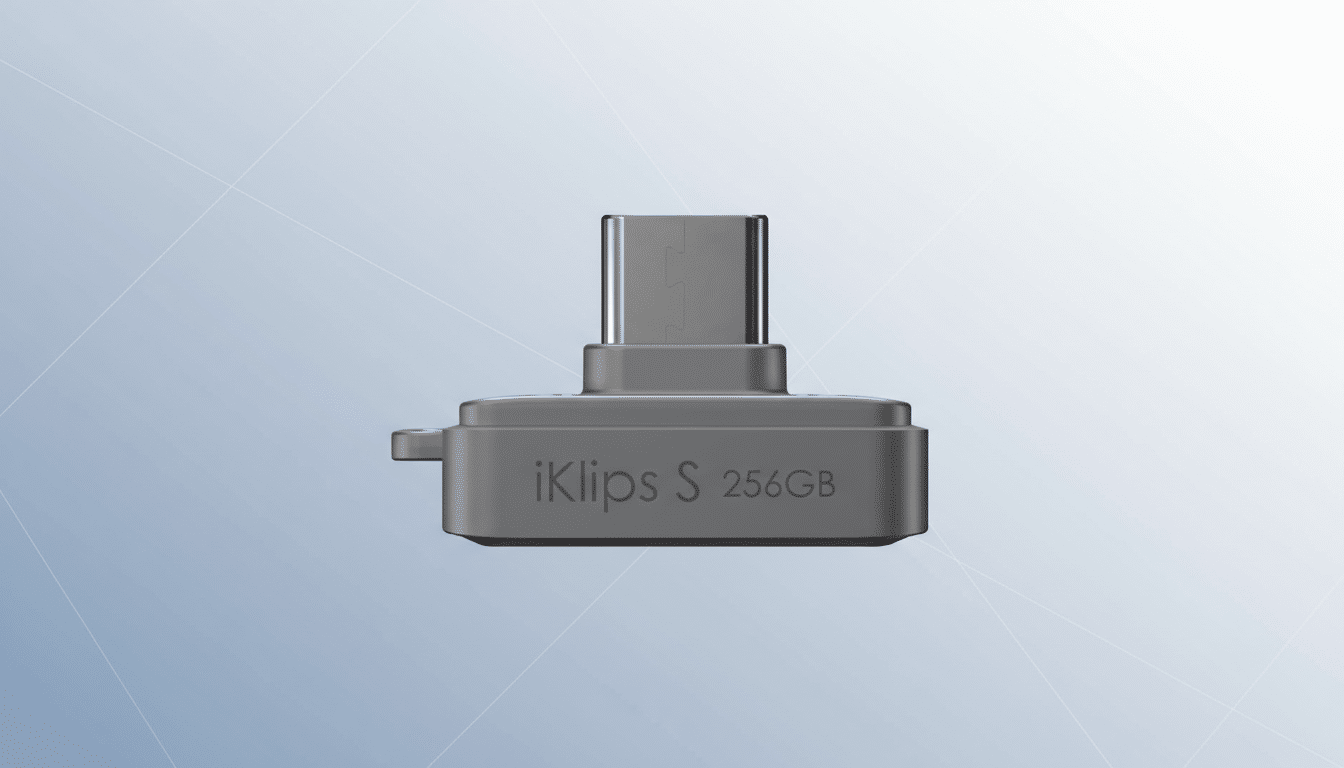
Privacy built into the hardware for safer storage
The defining feature is its integrated fingerprint reader that supports up to 20 stored fingerprints. That means you can grant access to multiple trusted users or set up both index and thumb for convenience. Crucially, authentication happens on the device, reducing the risk of key exposure from host systems or third-party apps.
That local-first model aligns with long-standing guidance from security bodies. NIST’s recommendations for removable media stress protecting data at rest on the device itself, a principle this SSD follows by pairing physical access with biometric unlock. While the vendor doesn’t tout a specific cryptographic standard here, the approach eliminates a common weak point—reliance on software installed on every computer you touch.
For professionals who routinely step outside controlled environments—field researchers, freelancers, consultants, or journalists—this workflow is practical. It removes the need to trust every borrowed laptop while preserving quick access during fast handoffs or travel.
Small size without slowing down your daily transfers
Measuring 14.2 × 26 × 17.1 mm, the drive is barely larger than a USB-C plug, yet it moves data briskly at up to 450 MB/s reads. In real terms, a 10GB project folder can copy in well under a minute in ideal conditions. That’s fast enough to shuttle 4K footage, RAW photo libraries, or VM images without the drag you’d expect from many thumb drives.
Performance still depends on your host device and the write speed of the destination, but the spec puts it in the same ballpark as many SATA-class portable SSDs. The difference is that those competitors are typically larger enclosures; here, the portability is the headline.
Designed for phones and PCs alike, across platforms
Thanks to USB-C and broad OS support—iOS, Android, macOS, Windows, and Linux—the drive fits mixed-device workflows. Creators using recent iPhones can offload large media libraries directly. Apple’s ProRes video can generate multi-gigabyte files in minutes, and external storage is the most practical way to move that content between phone and editing rig without cloud delays.
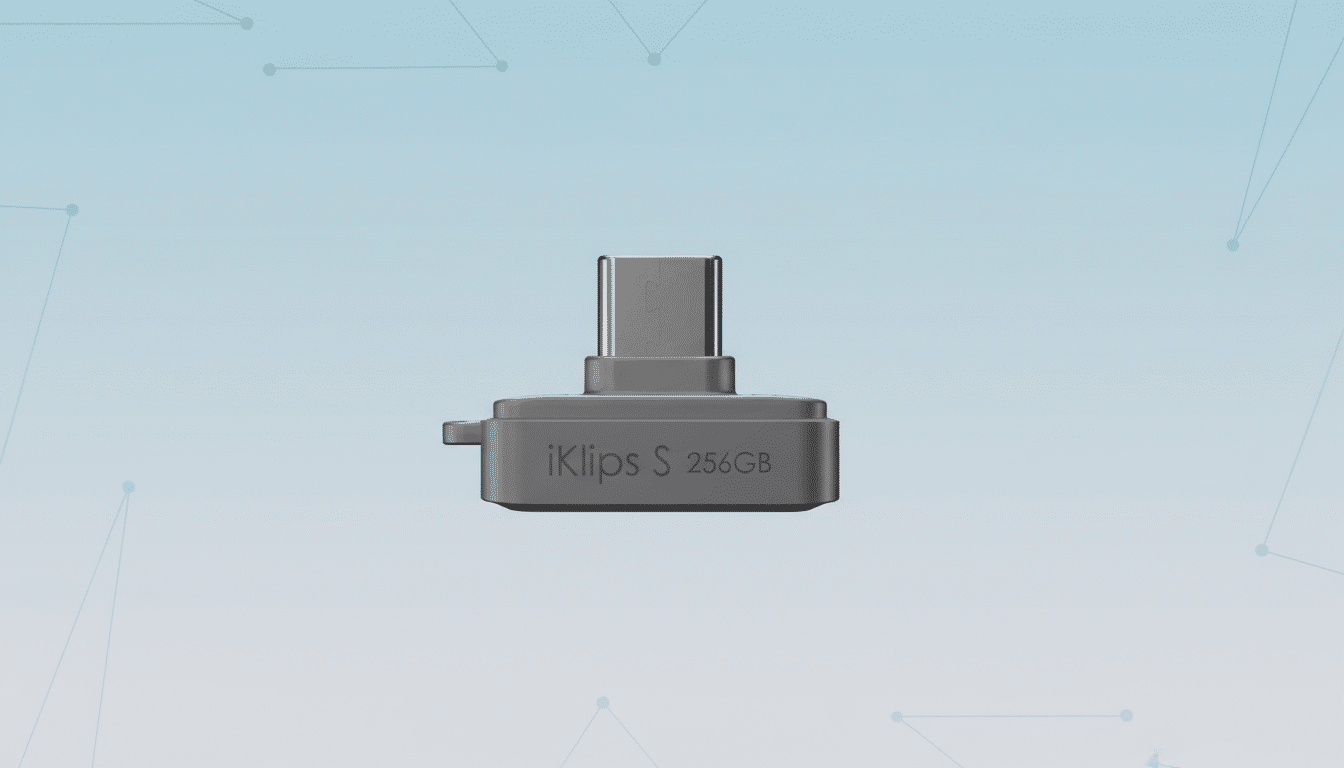
The ability to unlock data with a fingerprint regardless of host is the differentiator. You don’t need to install a driver on a client’s PC or grant an app permissions on your phone. Plug in, authenticate, work, and move on.
How it stacks up on value versus secure rivals
At $65 for 256GB, this drive isn’t chasing the lowest cost per gigabyte; it’s selling portability and security. Biometric-enabled rivals often cost more: for example, mainstream encrypted models with fingerprint unlock in larger capacities commonly land well above this price tier. Enterprise-focused secure drives with PIN pads and tamper resistance can run multiples of the cost.
If you simply need bulk storage for backups, a higher-capacity non-biometric SSD will deliver better economics. But if your priority is a travel-friendly, secure vault for active projects, contracts, or media transfers, the current 27% markdown makes this a reasonable entry point into hardware-protected storage.
What to know before you buy this fingerprint SSD
Capacity is 256GB, so plan your workflow accordingly—think “working set,” not full archives. The quoted 450 MB/s figure is for reads; real-world writes may be lower depending on file sizes and host capabilities. There’s no claim of ruggedization, so toss it in a case if you’re rough on gear.
Also remember the golden rule: encryption guards confidentiality, not availability. If you lose the drive or forget your enrolled fingerprints, those files are likely gone. Follow a 3-2-1 backup strategy—three copies, two media types, one off-site—an approach echoed by data-protection pros and incident responders in industry reports like Verizon’s Data Breach Investigations Report.
Bottom line: a tiny biometric SSD at a sharp price
This tiny SSD delivers on the promise implied by its price and pitch: keep files private, keep them close, and move them fast. For creators, consultants, and anyone who juggles sensitive documents across devices, $65 is a sharp price for a biometric-secured drive that disappears in your pocket yet unlocks with a tap when it’s time to work.
