


The fallout from Verizon’s widespread service disruption is now a federal matter. The Federal Communications Commission has opened a direct channel for consumer reports as part of a formal investigation, urging anyone who struggled to place calls, text, or reach 911 to share exactly what happened. The move signals heightened scrutiny of carrier resiliency and emergency call reliability, not just routine customer-service triage.
What the FCC Is Investigating in the Verizon Outage
The FCC’s Public Safety and Homeland Security Bureau is examining the outage’s scope, root cause, and its impact on emergency services. Investigators are expected to review how the incident affected voice, SMS, and data, whether 911 and other public safety numbers were reachable, and how quickly Verizon notified affected emergency call centers. Under the FCC’s network outage reporting framework, carriers must log and report significant disruptions; consumer accounts help validate those records and fill in gaps about real-world consequences.
- What the FCC Is Investigating in the Verizon Outage
- What the Agency Wants From You for the FCC Probe
- Why Your Complaint Could Shape Enforcement
- What Verizon Has Said and Offered After the Outage
- The 911 reliability stakes for wireless customers
- How to make your submission count with investigators
- What comes next in the FCC’s Verizon outage review
The inquiry will also look at outage communications: what Verizon told customers, when it told them, and whether those messages meaningfully helped users navigate the disruption. Transparency during a crisis is more than PR—it’s a public safety requirement that informs the broader ecosystem, including hospitals, first responders, and businesses that depend on wireless continuity.
What the Agency Wants From You for the FCC Probe
The FCC is asking affected customers to send detailed accounts to VerizonOutage2026@fcc.gov. Useful details include whether you could make or receive calls, whether texts went through, how long your service was impaired, and whether attempts to reach 911 failed or were rerouted. Note your general location, device model, and whether Wi-Fi calling or switching networks helped. The agency also wants to know how you learned about the outage and whether Verizon’s communications were appropriate and timely—and how the disruption affected your personal life or business operations.
- Whether you could make or receive calls
- Whether texts went through
- How long your service was impaired
- Whether attempts to reach 911 failed or were rerouted
- Your general location
- Device model
- Whether Wi‑Fi calling or switching networks helped
- How you learned about the outage
- Whether Verizon’s communications were appropriate and timely
- How the disruption affected your personal life or business operations
There’s no payout for submitting a report, but your account becomes part of an official record that can inform corrective actions, compliance requirements, or penalties. In previous cases, consumer narratives have been pivotal in establishing the practical impact of carrier failures, especially around emergency calling.
Why Your Complaint Could Shape Enforcement
The FCC regularly pairs operator logs with consumer reports to determine whether providers met reliability and notification obligations. That’s not a box-checking exercise. The agency has issued significant enforcement actions following 911-affecting outages, including multimillion-dollar settlements with major carriers over failures that blocked emergency calls. Those cases often require operators to implement rigorous remedial measures—more redundancy, better software testing, tighter alarms, and improved protocols for contacting emergency call centers.
In short, your report isn’t just a complaint—it’s evidence. The richer the detail, the more useful it is for engineers and investigators reconstructing the chain of events and identifying where systems or processes fell short.
What Verizon Has Said and Offered After the Outage
Verizon has attributed the disruption to a software issue that left many customers seeing an SOS indicator on their phones and unable to place calls or send texts for roughly 10 hours. The company has extended a $20 credit to affected users, and some customers report receiving higher goodwill credits after contacting support. While credits acknowledge inconvenience, regulators are focused on the more consequential question: whether emergency calling was impaired and how Verizon’s network and communications performed under stress.
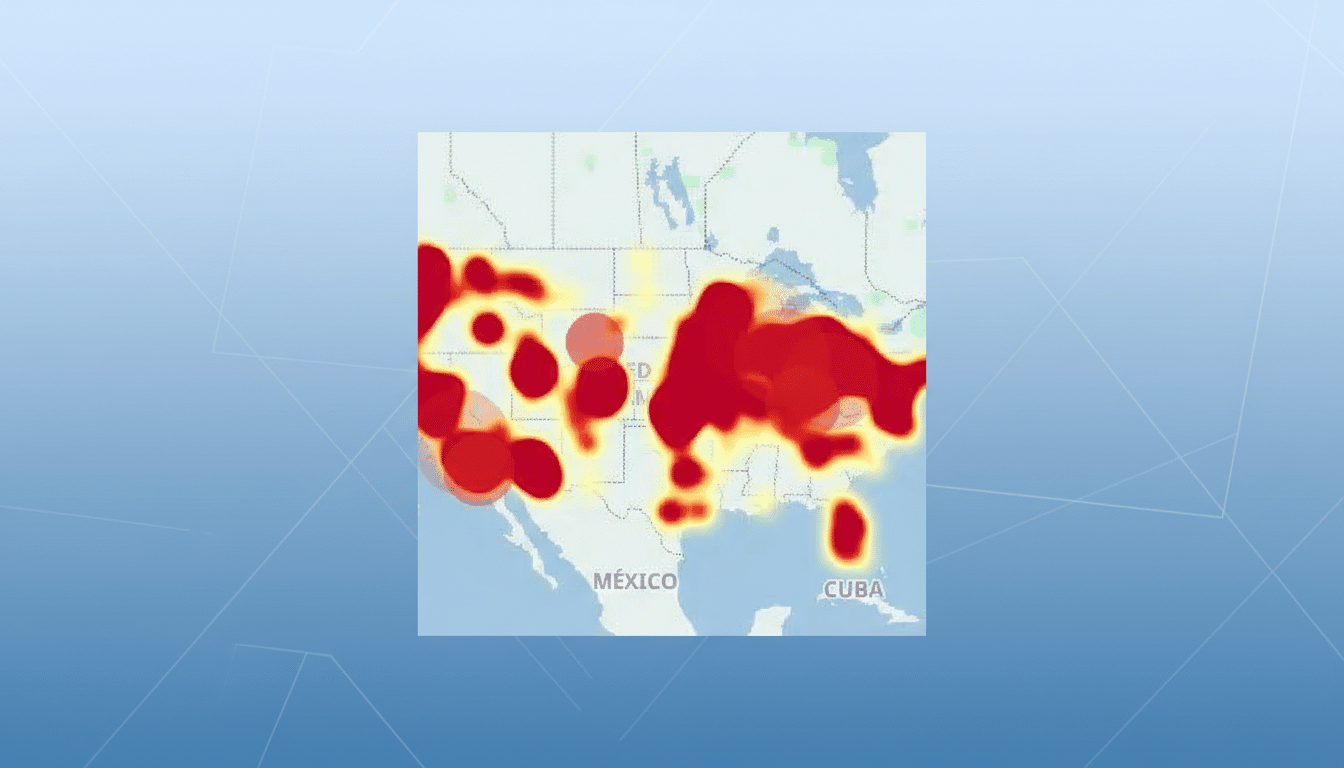
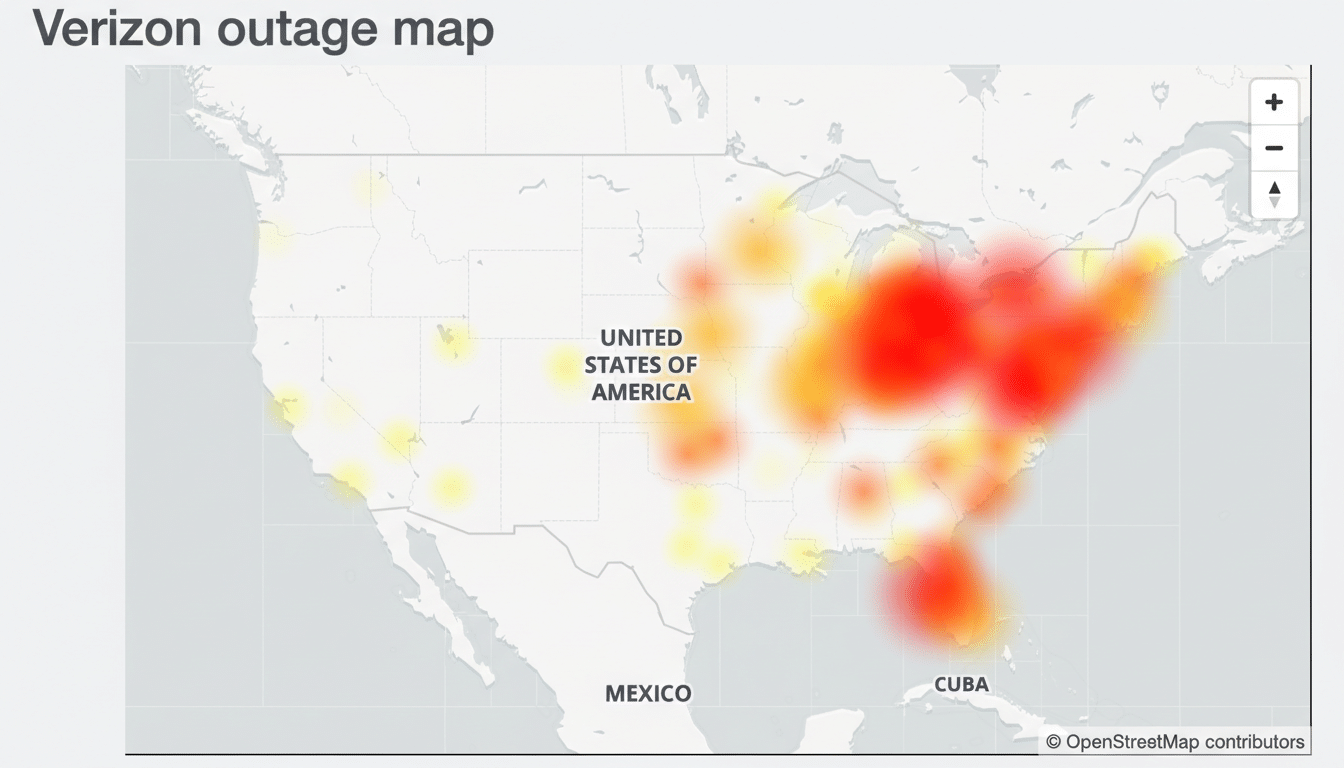
Independent outage trackers recorded a surge in problem reports during the incident, suggesting a broad footprint across multiple regions. The FCC’s inquiry should clarify how the issue propagated across Verizon’s core and radio networks, why redundancies didn’t fully mitigate the failure, and whether last-resort measures such as Wi‑Fi calling helped.
The 911 reliability stakes for wireless customers
Wireless carriers are expected to route 911 calls reliably, including when parts of their networks are impaired. When signaling or core functions fail, emergency calls can falter even if devices show some connectivity. That’s why the FCC closely examines whether public safety answering points received timely outage notifications and whether customers were given clear guidance. For people without landlines or with limited broadband options, a wireless outage is more than an inconvenience—it can be a life-safety risk.
How to make your submission count with investigators
When you email VerizonOutage2026@fcc.gov, include specifics: your city or neighborhood, the type of phone and software version, whether calls, texts, or data worked, any attempts to reach 911, and any error tones or messages heard. If you run a business, describe operational impacts such as missed transactions or service delays. If you’re a caregiver or work in healthcare or public safety, note any risks, workarounds, or near misses you encountered. Objective details help investigators match your experience with network telemetry and outage reports.
- Your city or neighborhood
- Type of phone and software version
- Whether calls, texts, or data worked
- Any attempts to reach 911
- Any error tones or messages heard
- For businesses: operational impacts such as missed transactions or service delays
- For caregivers, healthcare, or public safety: any risks, workarounds, or near misses encountered
What comes next in the FCC’s Verizon outage review
The FCC will aggregate consumer reports, compare them with carrier logs, and may seek further records and technical briefings. Investigations like this can result in public findings, consent decrees, and mandated improvements to resiliency and emergency communications. State utility regulators and attorneys general may also review the outage’s impact in parallel.
For now, the clearest way to influence what happens is simple: document your experience and send it in. The more the agency hears from people who were affected, the sharper the picture it can draw—and the stronger the safeguards that could follow.
