


Fallout is back with a swagger, marching straight into New Vegas to show the wasteland’s most infamous city what it was waiting for. The new season doubles down on the show’s dark humor and muscular worldbuilding while honing its point about power, complicity, and what hope means when institutions are eaten out by rot. It’s a blast on its surface, but also ever more unsettling the more time you spend with it — which is just the way a modern post-apocalypse ought to look and feel.
New Vegas lands with flair in a neon-drenched fever dream
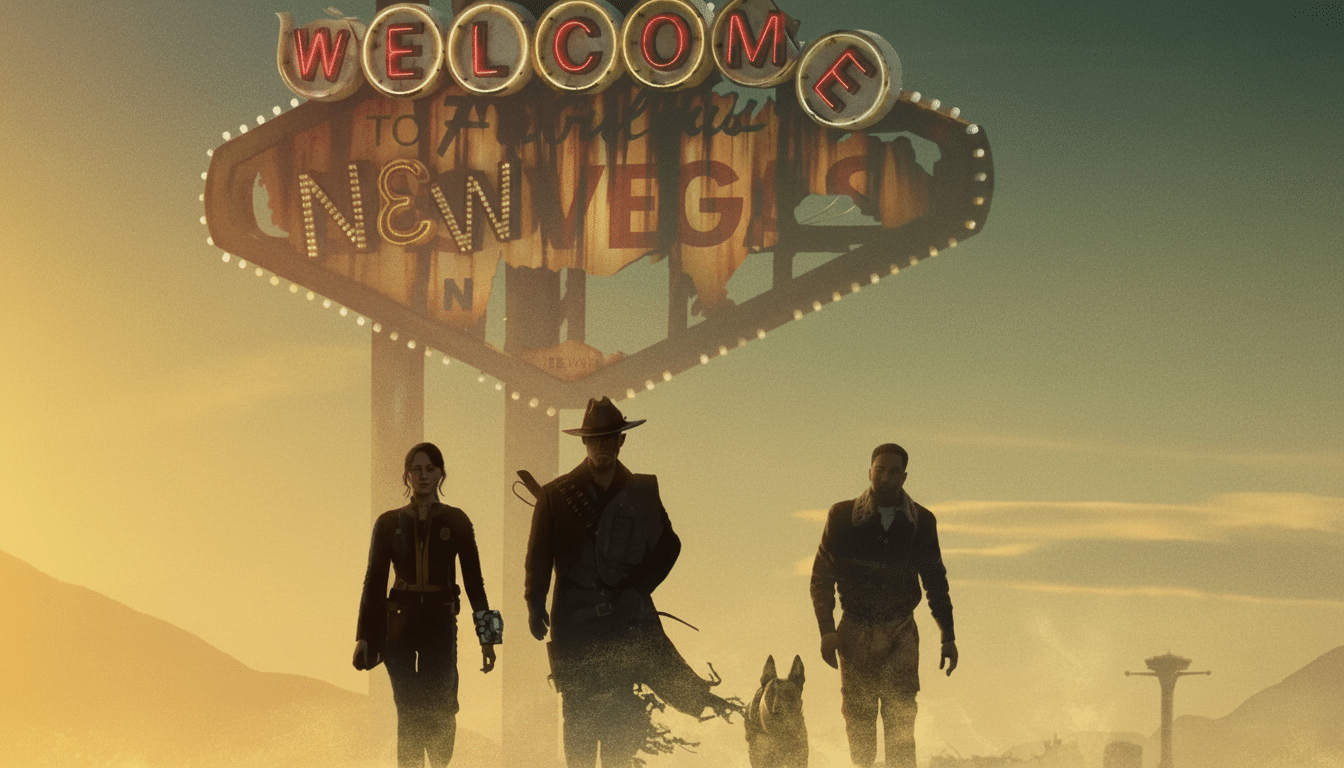
The Strip comes to us as a fever dream of neon and disregard — glittering marquees, sleazy storefronts, factions squabbling over the detritus of power. Those who have played the games will tick off remixes: the Kings strutting through with pompadours and cracked smiles, Caesar’s Legion seething zealotry, and the specter of Robert House hanging over everything like a corporate monolith swathed tentatively in velvet. The production design lurks around every corner, turning each one into either a punchline or a threat — and frequently both — while the costume and prosthetics work presents Ghouls as tragic figures and charismatic villains.
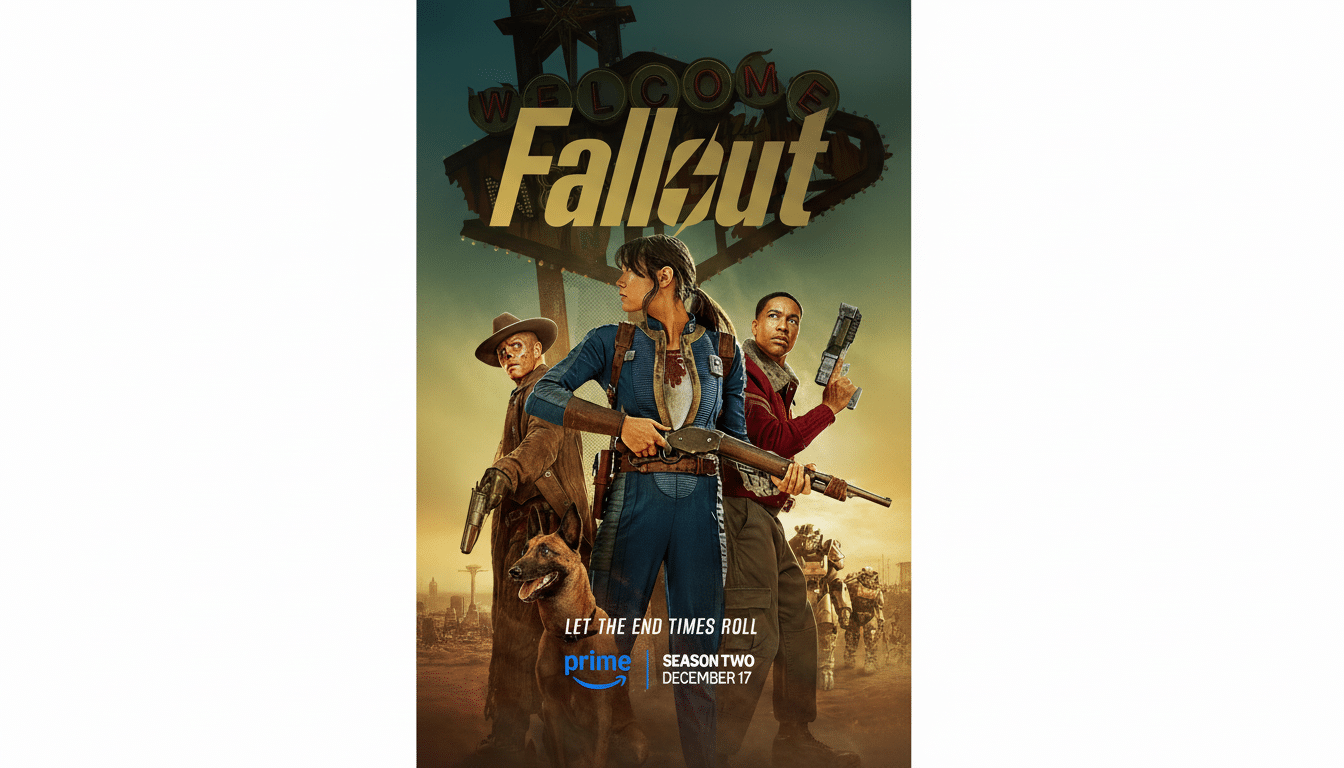
New Vegas isn’t a backdrop; it’s a thesis. The city makes a marketplace of survival, a brand of morality, and a slot pull of history. That gaze is relentlessly fun, but it also bends our own time and place, where tech titans and private fiefdoms increasingly govern public life — in ways voters never OK.
Ideologies clash on the Strip as power and survival collide
Lucy (Ella Purnell) and the Ghoul (Walton Goggins) function as this season’s magnetic axis, one insisting on the right way to live, the other aware that there’s only the way that keeps you breathing. Their uneasy alliance turns every altercation into a referendum on mercy versus pragmatism. Maximus (Aaron Moten), meanwhile, is back in the Brotherhood of Steel — status but no certainty for the long haul — giving the show a piquant middle lane between idealism and fatalism.
A cold-fusion MacGuffin powers the plot, but it’s more of a quiz: what would any faction do with limitless energy in an unregulated marketplace? The response, for them, is always whatever protects their story of order. Fallout continues to ask that question, about whether those narratives can be rewritten — and what the price will be.
Relevance that hits hard in a world of privatized power
The show’s satire works because it reflects plausible headlines. Corporate sovereignty-disguised-as-public-welfare is no longer a speculative fiction: The antitrust actions of the F.T.C. and the European Commission have both shown how platforms cement power, while think tanks like the Brookings Institution warn that technologies built in private eclipse public oversight. Fallout extends that logic to its endgame — a city where the market is law and human beings are currency.
It’s that resonance, too, which has propelled the franchise culturally. Following Season 1, analytics firms including Parrot Analytics monitored demand that was off the charts; and Xbox confirmed more than 20 million players of Fallout 76, evidence that the TV series succeeded in drawing an entirely new audience into the wasteland. Season 2’s New Vegas lens is set to have the same crossover effect, due for a spillover of one of gaming’s most treasured settings in earnest on the prestige-TV playing field.
Performances and craft fire on all cylinders this season
Goggins remains the franchise’s cheat code, slipping between gallows humor and centuries-old grief with a sidelong glance. Purnell weaves innocence and grit without sermonizing Lucy, and Moten’s bone-dry skepticism pops the Brotherhood’s bluster at exactly the right times. They serve as a combined anchor to the tonal whiplash that makes Fallout sing.
Craft-wise, action sequences are cleaner and more character-based than last year; the soundtrack’s ink-black irony remains a joy. The camera gets up close on wide desert palettes and claustrophobic casino interiors, a clashing of extremes that visually codes the show’s thesis: freedom is not the absence of walls; it is the presence of choice. Editing maintains the ensemble in play without sacrificing the story’s spine — an admirable upgrade that whacks filler and still preserves the shaggy charm of the show.
The verdict: a sharper, funnier, and more pointed Season 2
It’s not just fan service; it is the series creating a clearer worldview for itself. Fallout Season 2 is funnier, meaner, and more pointed about who gets to define “civilization” when the ledger runs the world. Come for the neon mayhem, stay for the argument about what goodness looks like when everything around it is monetized — an argument that seems bracingly of the moment, and all the more necessary because of that.
