


The Federal Communications Commission put all foreign-made drones and critical components on its Covered List, effectively barring future models from the United States market. Whether you fly for pleasure, to share a property perspective, or to deploy a public safety drone team, here’s what the decision means in plain English—and what you should do next.
What Changed and Why This Decision Matters Now
The Covered List pinpoints communications and video surveillance equipment that is considered a national security threat. In recent years, the F.C.C. went further than just funding restrictions and banned equipment authorization for new products on that list. With the addition of unmanned aircraft systems (UAS) and their key components, the agency has shut out any new foreign-made consumer drones from getting F.C.C. sign-off to sell drones that use radio spectrum in the U.S.
- What Changed and Why This Decision Matters Now
- Does This Impact Drones You Already Own?
- Can You Still Get Replacement Drone Batteries and Parts?
- Which Brands Are Affected — and Which Are Not?
- Are There U.S.-Made Alternatives on the Market?
- What Creators and Government Agencies Should Do Now
- Could This Policy Change or Be Challenged in Court?
- Fast Answers to Common Questions on the FCC Action
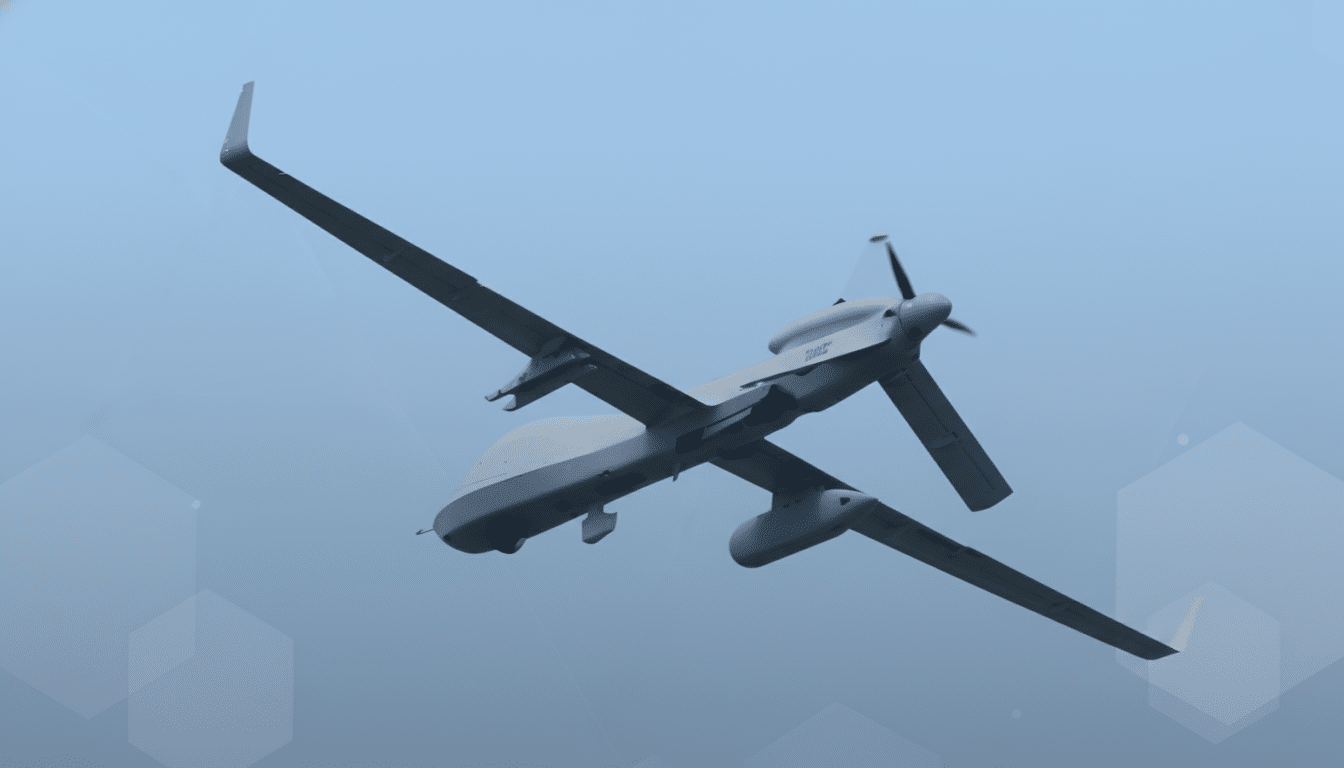
The action comes in the wake of language in the National Defense Authorization Act authorizing oversight of foreign drone manufacturers and their affiliates. Security considerations revolve around how data flows, how updates are delivered, and managing the supply chain. It’s significant in part because the U.S. consumer and prosumer drone market is dominated by brands based overseas—for years, industry analyses traced back DJI’s share of the U.S. to more than 70%, with other consumer names such as Autel, Holy Stone, and Potensic mopping up most of what was left on shelves.
Does This Impact Drones You Already Own?
No. You can continue to fly what you own, as long as you observe F.A.A. rules. The FAA decides where and how you can fly (*cough Part 107 cough* — ed.), the F.C.C. determines if a device’s radios can be sold here. The F.C.C.’s action is forward-looking. F.C.C. pre-certified models are still permitted, and retailers can sell through those devices. The F.C.C. can revoke individual authorizations, but as a result of this action no previously certified consumer drone models have been decertified.
Can You Still Get Replacement Drone Batteries and Parts?
Yes for existing models. The F.C.C.’s public guidance describes this as a going-forward move, so that the accessories and replacement parts for drones already certified—and on sale on store shelves—are not yanked. Anticipate continued provision of batteries, propellers, gimbals, and motors for existing F.C.C.-approved aircraft. The bottleneck will be new models and other new parts that have radio components not yet F.C.C.-certified; home-built DIY FPVers and RCers who prefer imported video transmitters or control links might be the first to feel the pinch.
Hobby groups are paying attention. The Academy of Model Aeronautics has expressed concern over the impact on radio systems used in model aircraft, which are lumped into regulatory buckets with drones. If you fly FPV, hold spares for all the important components on hand and check F.C.C. IDs for radio gear prior to buying.
Which Brands Are Affected — and Which Are Not?
Foreign consumer drone brands, including DJI, Autel, Holy Stone, Hover, Potensic, and Ruko, are unable to receive F.C.C. certification for new products. The Covered List follows an update that also mentions communications and video surveillance, bringing in non-drone product lines from some manufacturers. For instance, future gimbals or action cameras that embed radios from impacted manufacturers would run up against the same barrier unless they were already certified.
Affiliates and bedfellows can be complicated. Statutory language encompasses subsidiaries and technology-sharing partners, which naturally raise questions about camera brands that share a close technical bond to drone makers. The bottom line: Decisions over authorizations, ultimately, are going to trickle down through product-by-product F.C.C. responses, and gray areas won’t be cleared up until new filings are put to the test.
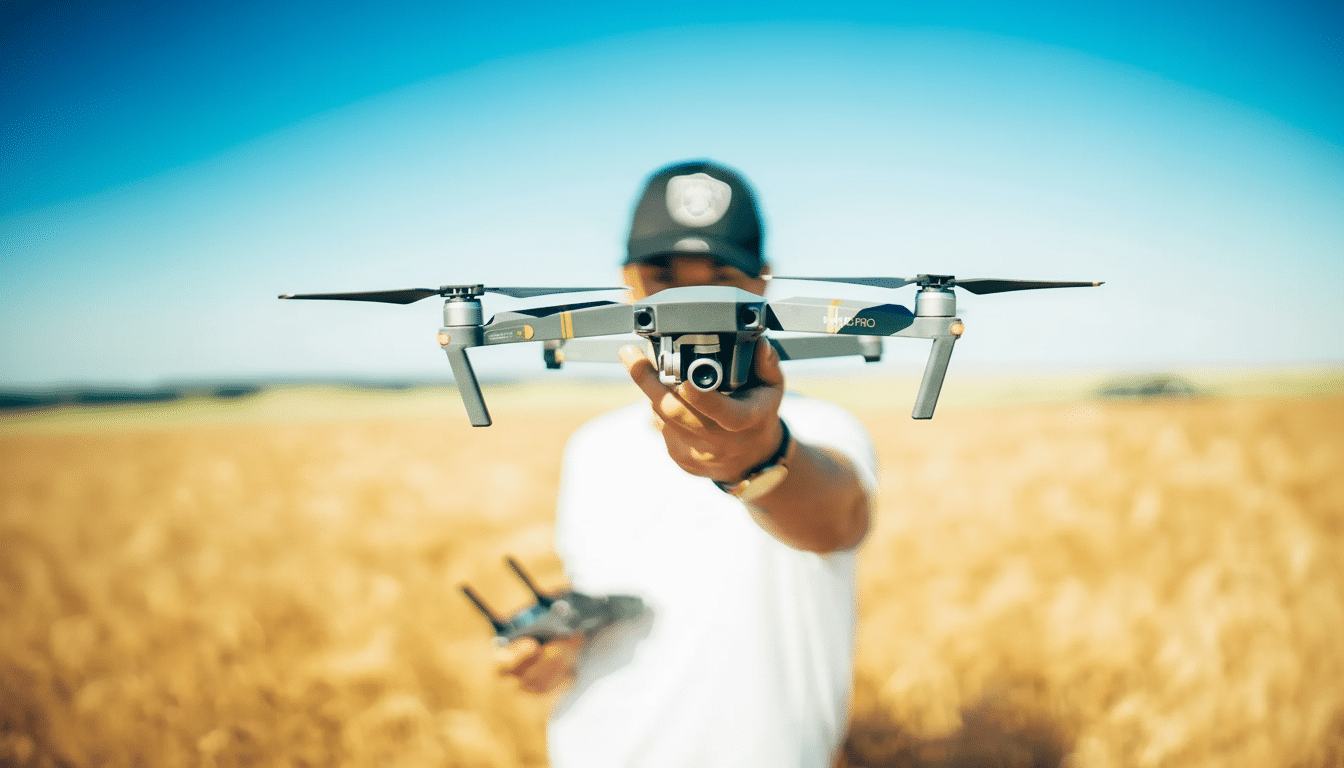
Are There U.S.-Made Alternatives on the Market?
Yes, but many are focused on enterprise and public safety. Companies such as Skydio, Teal Drones, BRINC, Freefly, and Inspired Flight provide U.S.-manufactured solutions that are frequently in line with DoD’s Blue UAS standards. These are aircraft that are tailored to the sort of secure supply chains, resilience, and fleet management—qualities that don’t come cheap. You’ll see price deltas of 3x–10x vs. mass-market consumer models, especially once thermal cameras or specialized payloads come into play.
There’s no direct equivalent made in the U.S. right now for the sub-$1,000 travel camera drones that creators like to use.
For that segment, businesses will rely on already-certified existing models until inventories run out.
What Creators and Government Agencies Should Do Now
Audit your fleet and map refresh cycles. If you depend on an imported platform that is already certified, you may want to order some extra airframes and critical spares now. Verify your planning is compliant with Remote ID, ensure you are updating firmware as necessary, and record the F.C.C. IDs of all airborne and ground radio equipment in your system. Agencies will need to work collaboratively with federal procurement offices to verify their use of covered equipment prohibitions, and pursue options within the United States for missions requiring a higher standard security guarantee.
For new purchasers, concentrate on the models that have already landed in the F.C.C. database. So if you see erratic availability, that’s probably a function of some supply chain plus customs bottleneck rather than a recall. Anticipate uneven retail stock, and time purchases accordingly.
Could This Policy Change or Be Challenged in Court?
Reversals are uncommon, but legal challenges are possible. Trade groups and manufacturers can test the scope of the Covered List additions in court, and Congress is always free to revisit statutory language. Look out for F.C.C. public notices and petitions for reconsideration, as well as any guidance from DHS or DoD programs that affect government fleet purchasing. For now, the actual reality is fixed: new foreign-made consumer drones will not be given permission to be sold in the U.S.
Fast Answers to Common Questions on the FCC Action
- You can continue to fly your current drones under F.A.A. regulations.
- For models that already have F.C.C. approval, you can buy parts and accessories.
- Down the line, foreign-made drones and radio components that have not been certified will not receive authorization.
- There are U.S.-made alternatives, mainly for enterprise customers, and they’re more expensive.
- If your work relies on consumer drones, plan to use what’s in stock currently and monitor any official announcements from the F.C.C.
