


The race to put AI on our bodies is heating up, but not every form factor fits real life. If the choice is a camera-free AI pin rumored for Apple versus AI-forward smart glasses from Google, the glasses win — for usability, capability, and the path to mainstream adoption.
Why Smart Glasses Beat AI Pins For Everyday Use
Design legend Don Norman’s core lesson still holds: products thrive when they extend behaviors people already have. Glasses are familiar; a shirt-mounted AI pin is not. We’ve worn eyewear for centuries and expect it to deliver information right where we look. A voice-only pin asks us to relearn tasks without offering a better way to do them.
We’ve already seen how this plays out. The Humane AI Pin debuted with ambitious promises but was hampered by latency, limited input, and a high price plus subscription. Early reviews from major tech outlets noted friction in core tasks, and the device later faced a safety alert involving its charging case. It’s a cautionary tale for any single-mode wearable that leans heavily on novelty.
By contrast, glasses are a direct upgrade to an object people wear every day. They deliver information visually, hands-free, and in context — exactly where an assistant should shine. That alignment with familiar behavior is how new categories break out of the early-adopter bubble.
Multimodal Interaction Changes The Game For Wearables
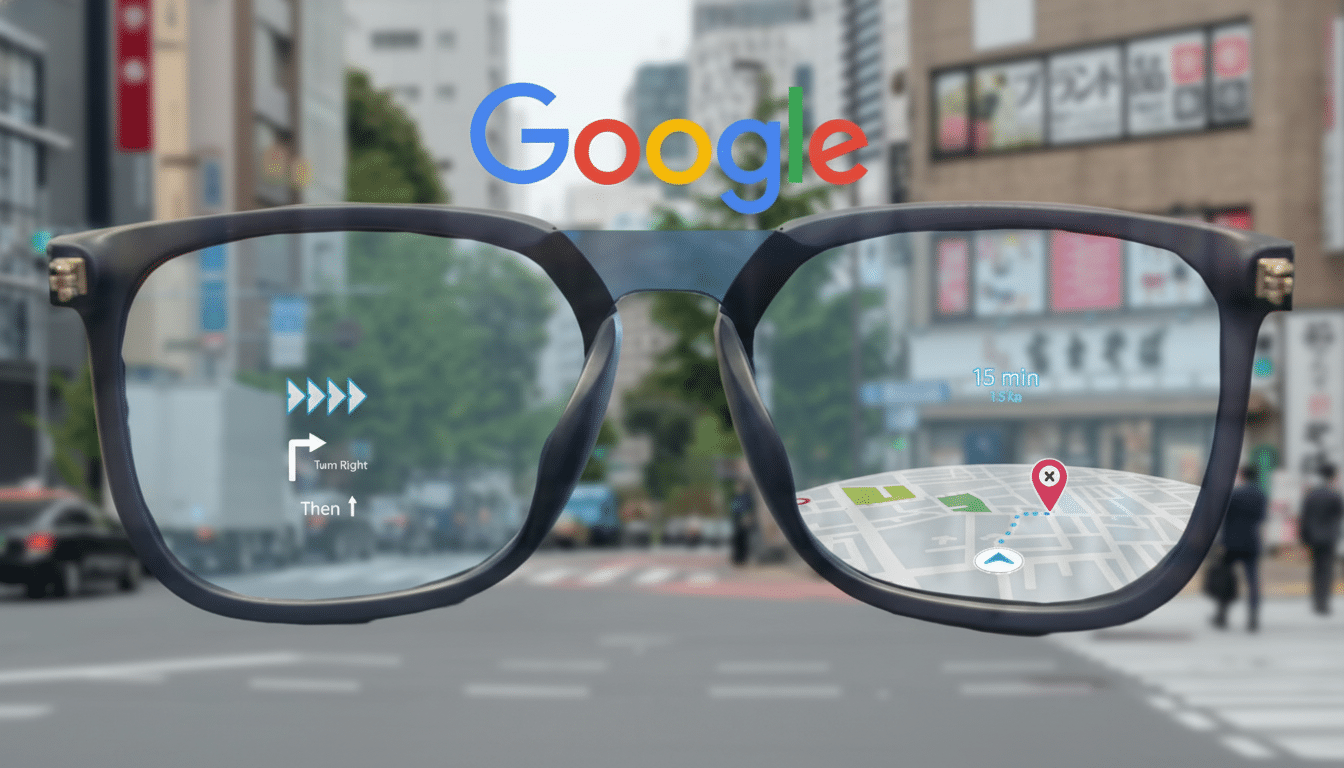
A pin without a display is stuck in a voice-only world. AI glasses can see, hear, and show, enabling richer interactions. Think live translation subtitled in your field of view, turn-by-turn walking directions as unobtrusive arrows, or step‑by‑step instructions when repairing a bike — no phone juggling required.
Glasses also play nicely with the devices you already own. Pair them with a smartwatch to add haptics and discreet controls when voice isn’t appropriate. Simple gestures, a tap on your watch, or glanceable cards beat talking to your collar in a crowded subway. Multimodality isn’t a bonus; it’s the difference between a party trick and a daily tool.
We’re seeing evidence that socially acceptable form factors matter. Ray‑Ban’s camera-enabled eyewear has gained traction by looking like, well, Ray‑Bans. Google’s previous acquisition of North’s Focals underscored the same point: if you want people to wear computers on their faces, start with designs that pass as normal eyewear.
Google’s Data Edge And AI Readiness For Glasses
Capabilities matter as much as hardware. Google’s advantage is its real‑world understanding, built over years. Street View spans much of the planet with regularly updated imagery, giving visual AI context for what neighborhoods, storefronts, and intersections actually look like. That foundation turns on‑device perception into practical guidance.
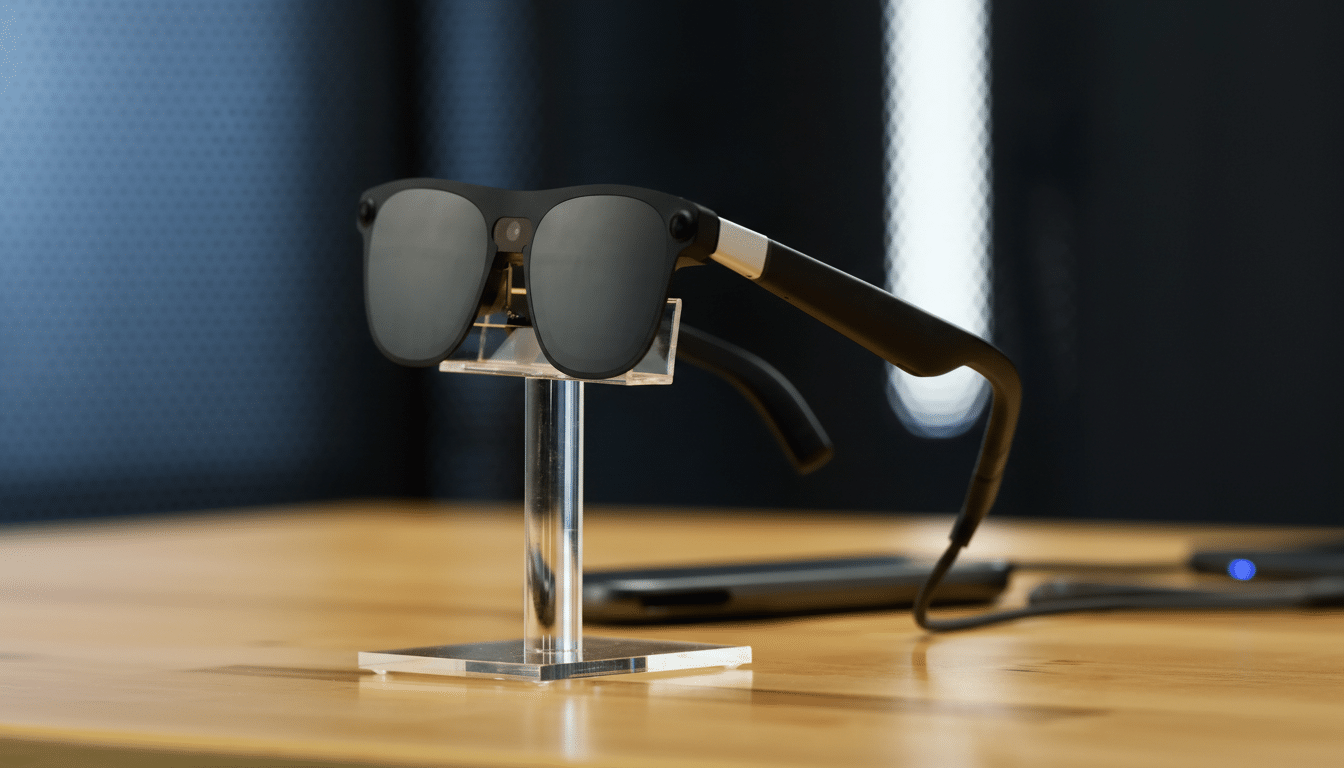
Then there’s Google Lens, which the company says now handles over 12 billion visual searches each month. Add voice know‑how from Assistant and Gemini, and you get an AI stack fluent in text, voice, and vision — exactly the trio needed for glasses. Google’s recent demos of Project Astra running on eyewear preview how quickly multimodal assistants are maturing.
Just as important is muscle memory. Android users already rely on gestures, notifications, and context-aware prompts. Extending those behaviors to glasses reduces friction, which is critical in a category where wearables have historically suffered high abandonment rates — a trend first documented years ago by Endeavour Partners and still echoed by industry surveys.
Pins Feel Like Statements, Glasses Feel Inevitable
Pins read as conversation pieces — great for a podcast appearance, less great for a grocery run. Without a display or camera, they shrink AI to a glorified voice assistant. That’s a step backward at a time when the most compelling use cases demand context from what you see, not just what you say.
Analysts at firms like IDC and CCS Insight expect steady growth in AR eyewear, with early adoption driven by utility and hands‑free workflows. The consumer side will follow as designs slim down and features like translation, navigation, and scene understanding move from demos to defaults. This is the same arc phones and watches followed — incremental but unstoppable.
What This Means For Apple’s Wearable AI Strategy
Reports from Bloomberg and The Information indicate Apple has explored a clip‑on AI device, but the company’s long‑term bets tell a different story. Vision Pro establishes a visual‑first future, and Apple’s history shows it prefers to nail the mainstream product rather than push a niche form factor. If Apple wants an AI wearable that people actually adopt, lightweight AR glasses integrated with iPhone and Watch make far more sense than a voice‑only pin.
The bottom line is simple. AI belongs where it can see your world and help quietly, not where it demands new habits and offers less in return. On that score, Google’s AI glasses concept looks ready for prime time, while an AI pin — even with Apple’s polish — risks feeling like yesterday’s idea of tomorrow.
