


Within hours of Donald Trump’s designation showing up on the John F. Kennedy Center for the Performing Arts, a typically Wikipedia-esque plot twist emerged online. South Park and MADtv writer/Twitter god Toby Morton turned the tables on TrumpKennedyCenter.org, a spoof webpage that looks every bit as official while openly mocking the rebrand.
The true web address for the Kennedy Center is still kennedy-center.org. Morton’s version apes the look and rhythm of an institutional website — a trick he has honed across dozens of political parody domains — before leaping into razor-edged satire.
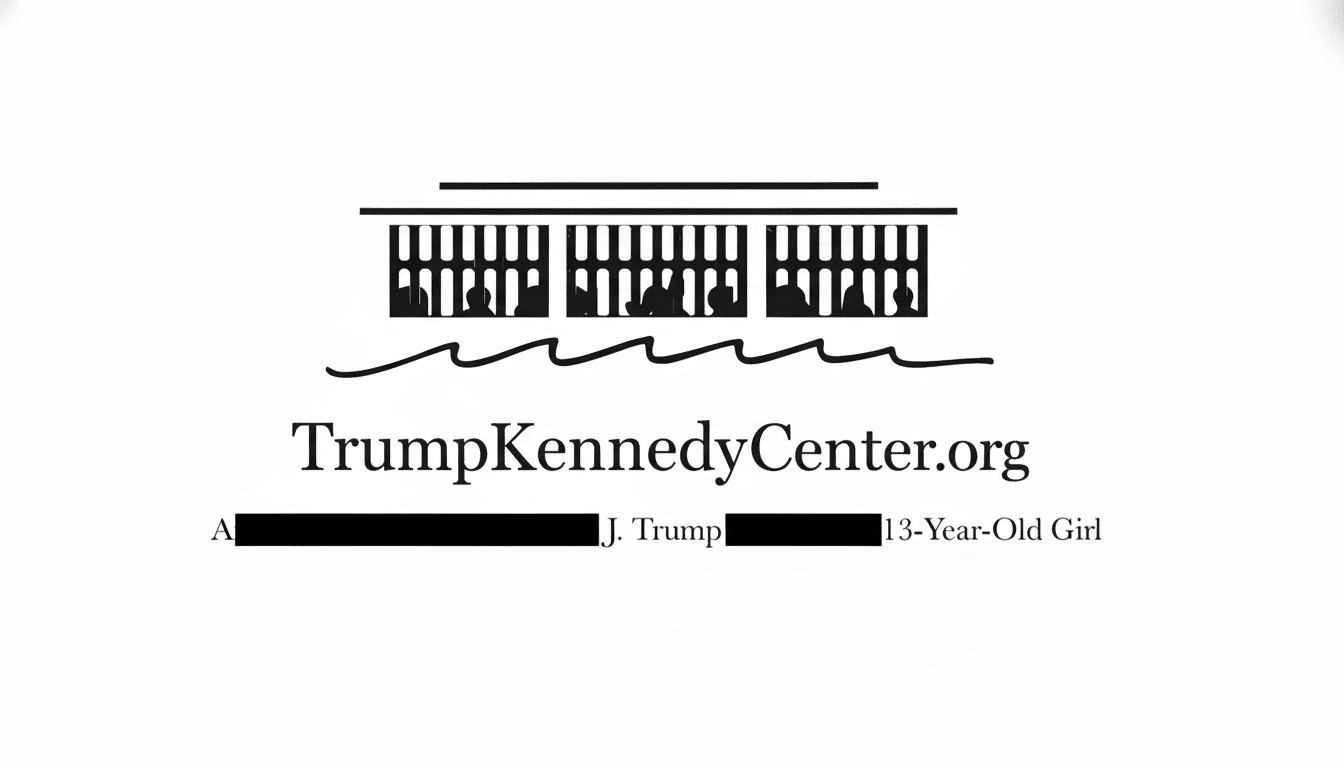
A Parody That Reflects Power at the Rebranded Kennedy Center
At first glance, TrumpKennedyCenter.org operates like a smart calendar page for a sparkling cultural venue. Scroll and the mask drops. A banner advertises the center as “A National Institution Devoted To Power And Loyalty,” a mission statement that doubles as diagnosis. The New Year dangles a teaser to passers-by to see “The Other Epstein Dancers,” an obvious swipe at the decay of not just celebrity but also influence.
The satire even goes to the logo, a nod to the trove of Epstein-related documents and a redesign that turns the center’s iconic columns into jail bars. Not one aspect here isn’t tuned for dissonance, employing the tropes of respectability with which to comment on the performativity of power.
Morton has a disclaimer in all caps that the site is parody, and he does take small-dollar donations to keep it running. He adds that new gags will continue to be released over time, a practice his fans will recall from past political send-ups.
The Satirist Below the URL and His Real-Time Political Plays
More quietly, Morton has carved out a niche in real-time political satire: by pre-emptively scooping up domains related to breaking news — as you might do with bitcoins or Twitter handles — and turning them into mirrors that reflect their subjects a little too well. He told The Washington Post that he bought the Trump Kennedy Center domain months ago, in anticipation of this moment.
It is not his first rodeo. Morton’s portfolio comprises more than 50 domains, including ResignChuck.com, a fake letter from Senate leadership, and MTG2026.org, a satire of the far-right lawmaker Rep. Marjorie Taylor Greene. As he explained to The Hollywood Reporter, the trick is straightforward and effective—take out a loan on a powerful person’s brand and report on what actually happened in their voice. The punchline is how natural it seems.
Why The Kennedy Center Name Is A Soft Spot
The Kennedy Center’s name isn’t just for show. It’s a civic sign, heavy with history, philanthropy and public confidence. Word that Trump’s name had been added to the building facade, and that it was updated on a website, became public during the week, sparking backlash that made its way from cultural debate to legal filing in short order.
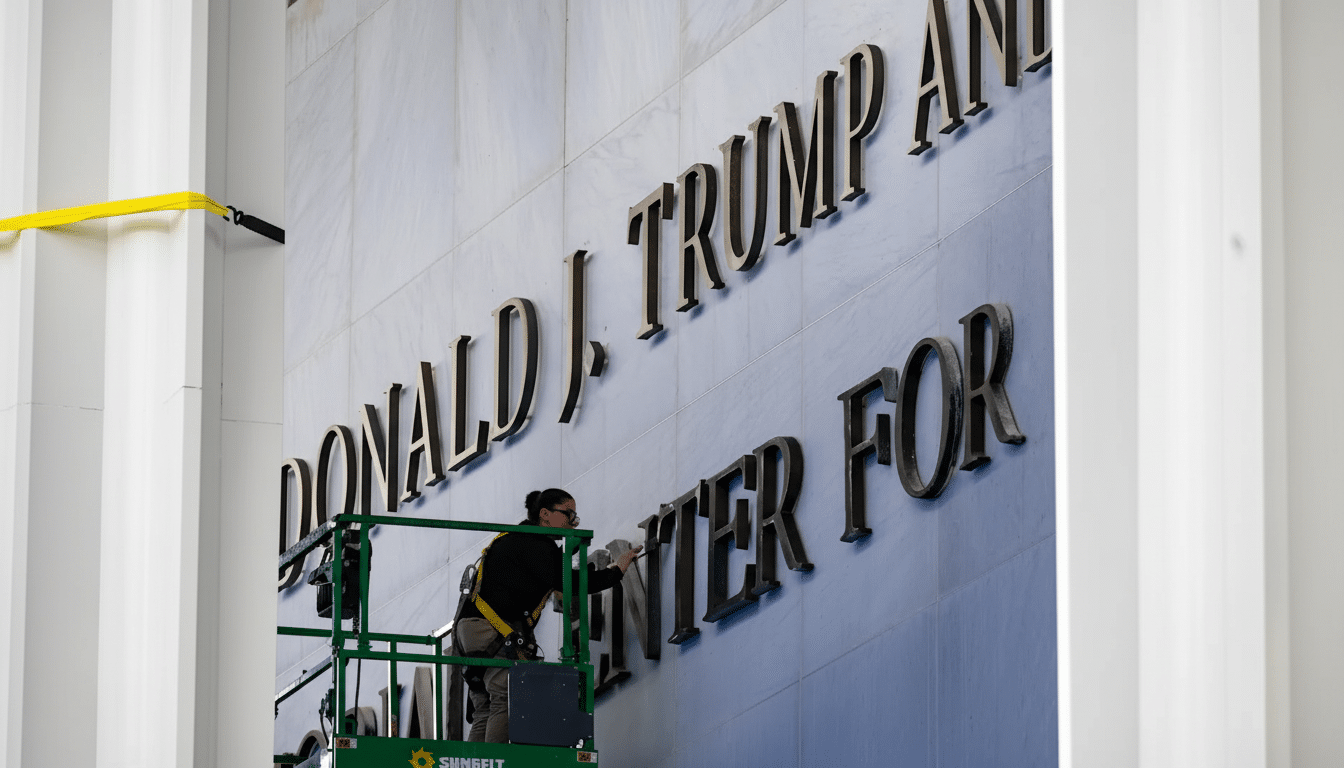
Rep. Joyce Beatty, an ex officio member of the Kennedy Center board, sued to say that renaming required an act of Congress. Artists started canceling performances, up to the center’s longtime host of its annual Christmas Eve jazz concert, CNN reported. At least one artist had been threatened with legal action by the Kennedy Center’s president, Richard Grenell, according to The Associated Press.
Against that backdrop, Morton’s site operates as commentary on institutional capture — how names, buildings and websites can be conscripted into political theater with a few taps of the keyboard or an updated sign.
Domains Are the New Battlefield for Parody and Legal Fights
The prank is also a lesson in digital power. Parody has its own safe harbor in American law, and domain disputes are generally decided if they trade on consumer confusion and bad-faith profiteering. The Anticybersquatting Consumer Protection Act handles bad-faith deception under federal law, and there is also an international UDRP process permitting trademark holders to dispute misuse.
But satire is in a sturdy legal gray area with deep First Amendment roots. A clear parody disclaimer helps. So, too, the fact that its aim is political commentary, not commerce. That nuance is one reason that these sites, even when they poke vulnerable targets, frequently stay online.
The stakes are not small. According to Verisign’s Domain Name Industry Brief, there are more than 350 million domain registrations globally, making endless opportunities for lookalikes. In recent years, WIPO has seen an increase in domain name disputes at record levels as public figures, brands and activists vie for names that influence the first impression on search and social feeds.
What to Watch Next as Legal, Cultural, and Online Wars Unfold
The renaming battle has likely set the stage for parallel tracks to play out — in the courts, within a fractious arts community and on social media, where reality often lurches ahead of process. Institutions usually react by instructing lawyers to snap up defensive registrations and clarifying what’s an official channel, but that does nothing to stymie satire that feasts on likeness.
For his part, Morton promises that he’ll continue to grow the site. Whether you think of it as clever dissent or corrosive trolling, the message is unmistakable. In a culture in which names are talismans that wield power, the narrative can be controlled with control of the URL.
