


At CES 2026, XBREW Lab unveiled EverNitro, an at-home device you can use to make bar-quality nitro coffee and that doesn’t use disposable gas cartridges.
By pulling nitrogen from ordinary room air, the idea is to make it faster, cleaner and more cost-effective for home and small-bar users of that signature creamy pour.
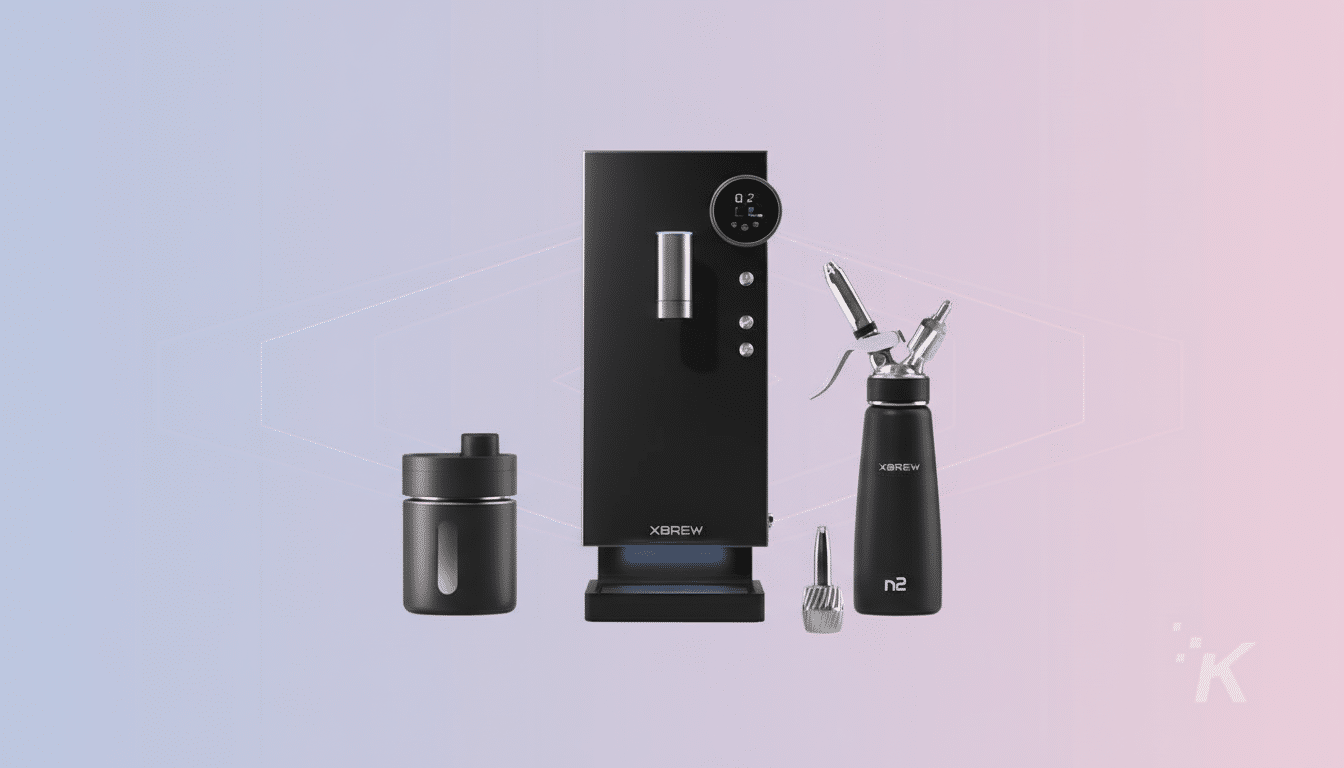
Countertop Nitro Without Disposable Cartridges
EverNitro’s pitch is simple: ditch single-use capsules and create your own nitrogen as needed. The company says its unit provides a nitrogen purity up to 95 percent, which creates the familiar cascade and velvety head that consumers look for in nitro cold brew. The removal of cartridges saves on ongoing costs and waste — a significant change in a category that’s been attached to consumables for so long.
The environmental angle matters. Although steel and aluminum are capable of being recycled, a large portion of single-use containers still end up in landfills, according to U.S. Environmental Protection Agency data. And getting rid of the cartridges entirely takes care of packaging waste, and shipping pressurized gas to every single home.
How the EverNitro Cartridge-Free System Works
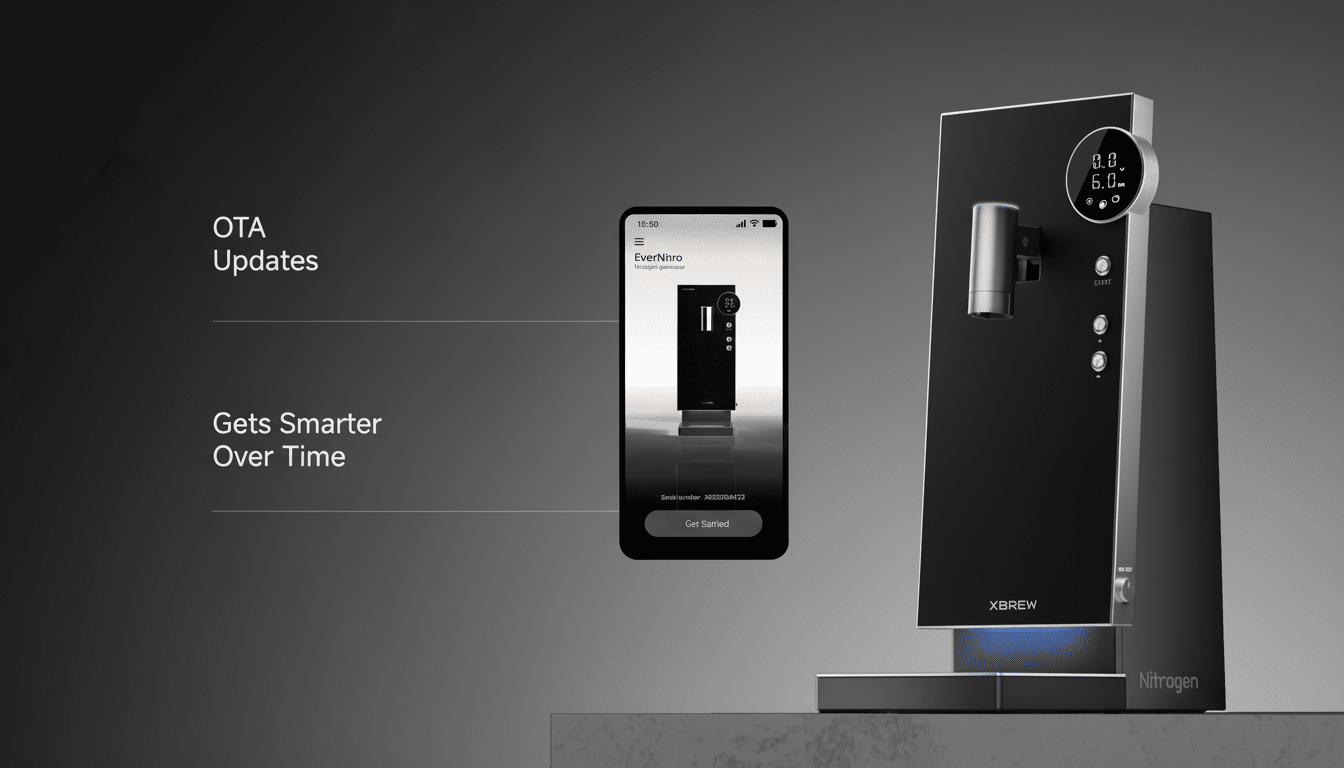
Nitro coffee is in effect cold brew infused with microscopically tiny nitrogen bubbles that muffle any bitterness and render a naturally sweeter impression — think of the mouthfeel similar to stout beer. EverNitro combines a small air-separation module with a pressure-controlled canister, allowing users to dial up (or down) from 0 to 8 BAR for coffee, cocktails and other cold beverages. The time from loading a beverage to the pouring of one is just a few minutes, and when you need an update on how things are going or guidance, there’s an app for that.
Commercial nitro taps usually have to rely on high-purity tanks and multi-tap kegerators, gear that is expensive and space-hogging in kitchens. The approach by EverNitro packs that experience into the size of a coffee maker. It’s not a gas-guzzler fantasy vehicle intended to out-torque the cafe-faring 99% nitrogen rigs — it’s a daily driver designed to treat me in my kitchen as a flannel pajama-wearing, slipper-footed barista, taking up minimal shelf space and dispensing consistently every single shot.
Price and Market Context for EverNitro at CES 2026
The device was introduced two months ago on Kickstarter, where it has attracted more than $570,000 in backing — a sign of strong early interest among users. The Lite package is priced at $470 (for backers, it was just $290), and the Pro pack goes for $583 (backers could snag one for as little as $337) with two canisters, a bean preservation jar and whipped cream kits. For reference, a one-tap countertop NitroBrew machine costs about $1,000 and traditional cartridge setups come with ongoing expenses.
Those monthly expenses can add up fast. The price of retail nitrogen capsules for home systems, meanwhile, can float around $1 each, depending on the size and number of cartridges per pitcher required. Heavy users — people who pour dozens of bottles a month — can quickly spend as much on this thing as they would on (ahem) a midrange appliance every year, which makes the integrated nitrogen source appealing to enthusiasts.
The timing also aligns with momentum in the market. Estimates of the size of the cold brew category range north of $1 billion globally, and is growing at a double-digit CAGR, according to analysts with Grand View Research — propelled by both at-home brewing and ready-to-drink formats. Nitro’s creamier texture and reduced perceived bitterness expand that appeal, while mainstream acceptance (like nationwide nitro rollouts at major coffee chains) has made the style familiar even among casual drinkers.
Taste, Texture and Uses for Nitro Coffee at Home
When infused correctly, nitrogen is what produces a thick microfoam that provides body without the need for dairy or sweeteners. According to industry research cited by the Specialty Coffee Association, cold extraction tends to dull the perception of acidity and astringency; nitrogen then enhances an impression of sweetness and smoothness. For home bars, the same contraption could lend a cascading head to espresso martinis or low-ABV coffee spritzers.
Pressure control matters here. Tuning up to 8 BAR means you can play around with carbonation-like texture and pour dynamics, whether chasing a slow cascading head on coffee or a tighter, creamier top for cocktail making. EverNitro’s canister-first approach is designed to make tanks easier to clean, a pain point for draft systems that sit unused for periods of time.
Competition and Sustainability Stakes for EverNitro
EverNitro isn’t the only company wooing home nitro fans. Elaborate gas canisters (NitroBrew leans toward commercial build quality; the GrowlerWerks uKeg Nitro and iSi Nitro Whip are DIY darlings that skew portable and simple, usually with cartridges). The bet of EverNitro is that the cost and convenience case will be so compelling on a cartridge-free mode of operation that if reliability and not-too-terrible user maintenance hold up, it will win.
But this calculus of sustainability doesn’t end with cartridges. On-site nitrogen production eliminates the need to transport and package nitrogen upstream, though energy consumed and filters replaced on the air module will affect its overall footprint. Independent testing on power draw, noise and long-term maintenance will be crucial for buyers weighing environmental concerns against performance.
What to Watch Next as EverNitro Moves to Retail
With EverNitro transitioning from a crowdfunded debut to wider retail, third-party analyses for nitrogen purity, pour uniformity and cleaning schedule — which separate novelty gizmos from day-to-day appliances — are sure to come.
Support for replaceable parts, easy-to-understand guidance on keeping it clean, and transparent warranties will be just as important as the silky pour we watched at CES.
Should the company make good on its cartridge-free promise, EverNitro could turn nitro coffee into more than just an occasional indulgence for anyone with a taste for the foamy stuff.
For a category that prizes texture above all, cracking the code to making that creamy cascade just a button press away may be the line home brewers have been waiting for.
