


Google’s AI surfaced the summary of a new investigation in Europe, where the European Commission is now looking into whether Google leveraged publishers’ content to fuel products like AI Overviews and AI Mode without fair terms, created Search summaries without fair compensation, or offered no meaningful alternatives to opt out. What’s at stake is not just how search looks, but whether the owner of a dominant platform can pivot to AI answers while relying on the labors of others.
What Prompted the EU Antitrust Action Against Google
Brussels is investigating whether Google tilted competition when it gave itself an advantage over other online content, including what was posted to YouTube, and insisted that publishers and creators accept unfair terms. Investigators are zeroing in on two questions: whether Google lifted content to summarize results without compensating the creators, and if publishers had a clear, enforceable way to opt out of such use while remaining visible in search?

The investigation also examines knock-on effects for competitors. If Google has access to huge volumes of web content and video for its own AI features, in ways that competitors don’t, it could tip the nascent market for generative search and foundation models. Under EU competition law, such behavior can prompt remedies or fines of as much as 10 percent of a company’s worldwide annual revenue.
Why AI Summaries Rile Publishers and Threaten Traffic
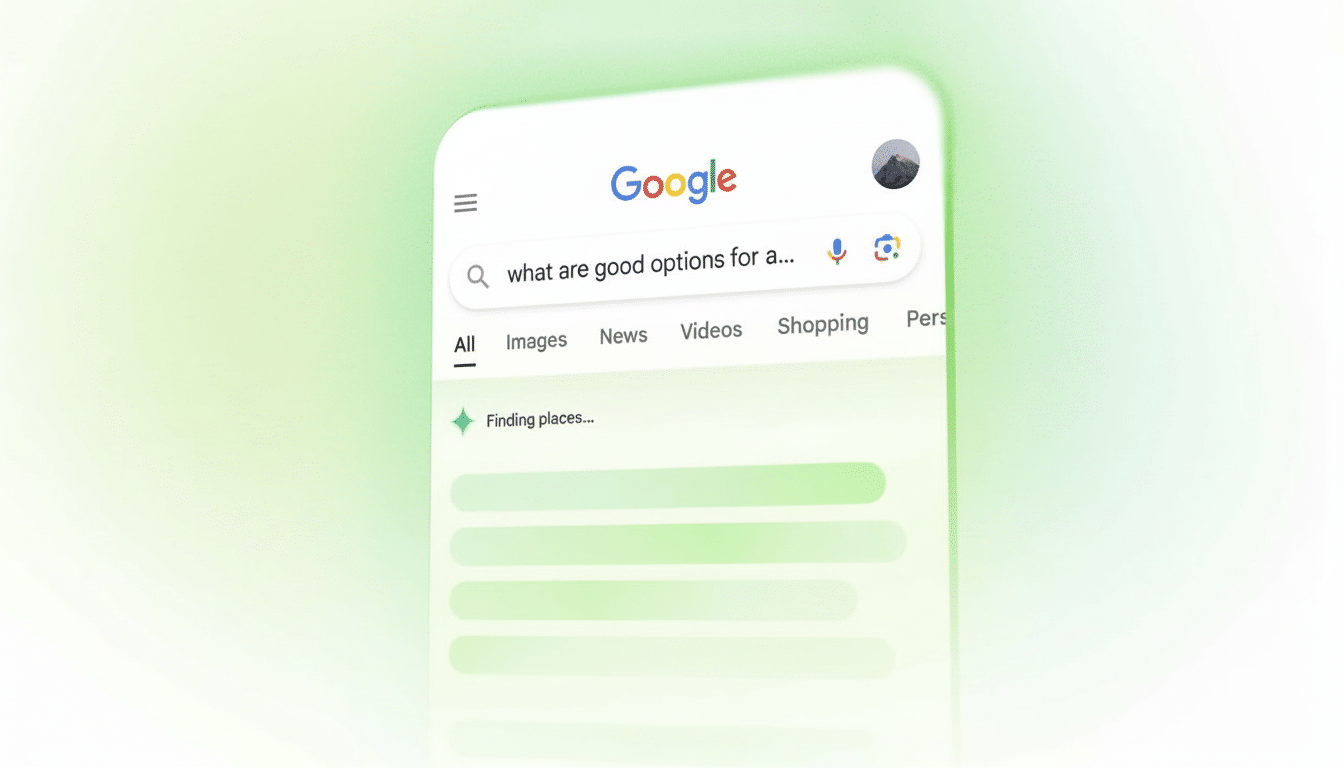
AI Overviews summarize answers at the top of a page. With a good enough summary, people will often be satisfied and won’t click through. According to a report by the Pew Research Center, users are less likely to click through when an AI-generated summary is displayed and more inclined to bounce out of their session. That dynamic hits right in the referral traffic on which many newsrooms depend to sell ads, convert online subscribers and justify investment in reporting.
Some publishers say the impact isn’t theoretical. The British media company DMG Media, which owns MailOnline and Metro, said the feature caused an 89 percent reduction in click-through rates for search results related to affected queries. Industry groups, like the News Media Alliance in the United States and publisher organizations in Europe, have for years warned that zero-click results damage the economics of the open web. Generative replies only serve to exacerbate the trend by effectively recapping the very content that inspired the click in the first place.
Smaller outlets, niche publications and local newsrooms can be particularly vulnerable. They often lack direct brand demand and rely on search visibility to break through to end users. If AI replies elevate passages or key facts without a clear route to credit, licensing or traffic, those businesses are incurring costs without gaining value.
The Legal Fault Lines in Competition and Copyright
The Commission also straddles competition and copyright. On competition, the Commission is looking at whether a dominant gatekeeper is exploiting its scale in search and video to give itself an edge with its AI services — classic abuse-of-dominance territory under Article 102 TFEU. With respect to copyright, there is Article 15 (press publishers’ right) of the EU’s Copyright in a Digital Single Market Directive, which seems to suggest that snippets might need a licence. The question, then, becomes whether creating the AI Overviews falls under that type of paradigm or is an independent, unlicensed use.
Technical signals of an OK are part of the discussion. Publishers can deploy robots.txt, noindex or snippet controls to dictate how their pages show up on search, and Google has worked to push a Google-Extended control for AI training. But publishers say those tools are blunt: opting out can depress basic discoverability, and the distinctions between indexing, training and real-time summarization are fuzzy. The inquiry will examine whether Google’s consent and compensation measures are sufficient and fair.
Google’s Changes in Position and Product
AI Overviews, Google says, are intended to assist users while still giving them a redirect to more sources — including embedding citations into the summaries. The company has also pointed out that site owners have controls to dictate how their content is presented on search and AI systems, and has said YouTube provides policy tools like Content ID to deal with unauthorized reuses. After early misfires in AI Overviews, Google has also promised quality improvements and guardrails to head off incorrect or unhelpful answers.
The Commission’s question has also extended to AI Mode, Google’s more conversational search interface. Both developments point to a broader move away from lists of links toward curated responses. And whether that shift can live alongside a healthy web ecosystem — and on what terms — will be at the center of any remedy.
What’s Next for Search and Potential EU Remedies
EU antitrust investigations can be protracted and do not have a deadline. The outcomes vary, from commitments to alter product designs to formal infringement decisions including fines. Remedies might look like paid licensing frameworks, clearer opt-out controls that don’t nuke visibility or limits on the amount of content that can be replicated in AI answers without user clicks.
Expect ripple effects beyond Brussels. The UK competition regulator is already investigating AI market power, and U.S. regulators are considering how generative platforms now affect distribution and advertising. For publishers and creators, the fundamental question gets down to this: If AI adds value upstream, who is paid downstream? The challenge for Google is to demonstrate that AI Overviews don’t merely keep users on Google, but also prop up the open web from which search drew its relevance in the first place.
