


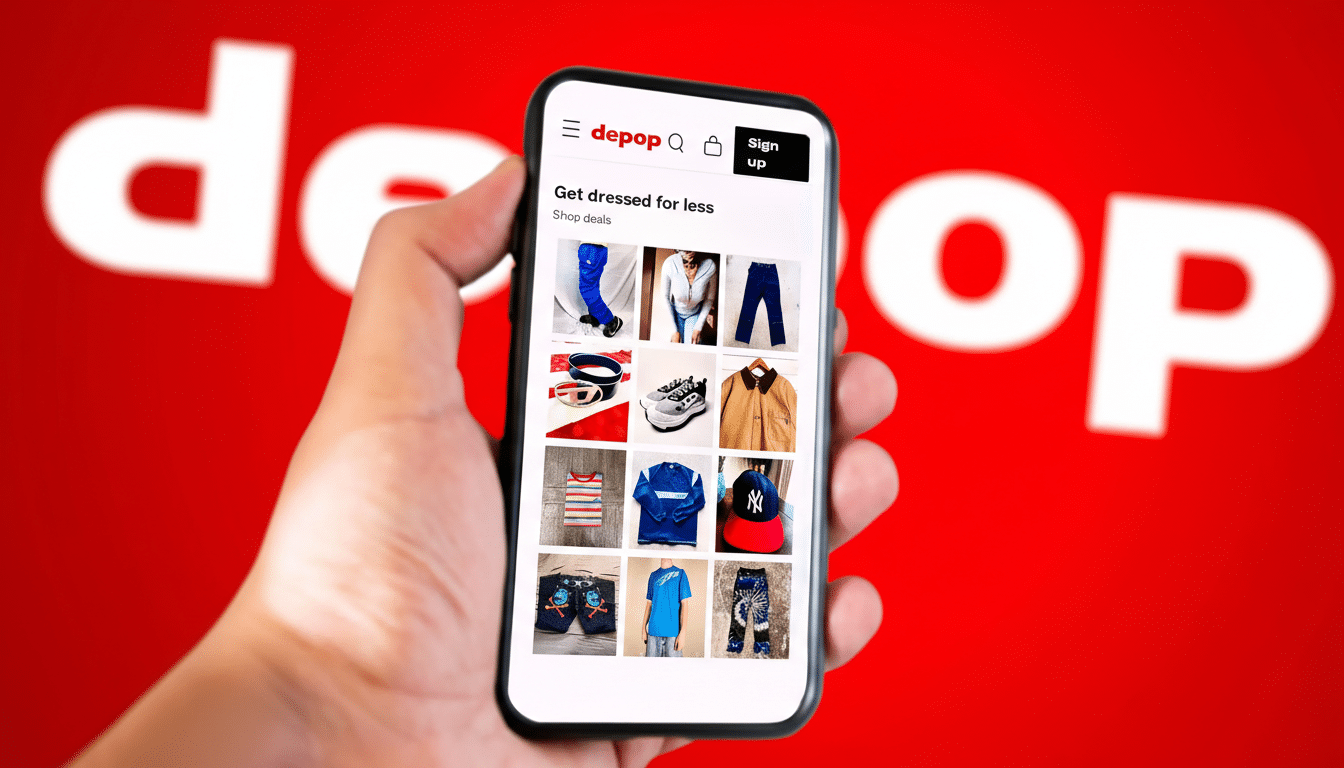
In a decisive reshaping of the resale landscape, eBay is acquiring Depop from Etsy in a $1.2 billion all-cash deal, giving the auction pioneer a deeper foothold in Gen Z fashion while allowing Etsy to narrow its focus on its core handmade and vintage marketplace. The transaction, expected to close in the second quarter, pending customary approvals, brings one of the fastest-growing social commerce communities under eBay’s recommerce umbrella.
Why eBay Wants Depop: Deepening Reach in Gen Z Fashion
Depop has become a bellwether for youth-driven resale. Founded in 2011, the app generated roughly $1 billion in gross merchandise sales in 2025, according to company figures, with U.S. activity surging nearly 60% year over year. As of year-end, it counted about seven million active buyers and more than three million active sellers, with nearly 90% of users under 34. That audience reach—paired with Depop’s social feed, peer-to-peer messaging, and trend-first discovery—gives eBay a pipeline to a demographic that has increasingly treated secondhand as first choice.

Strategically, the fit is clear. Over the past few years, eBay has leaned hard into authenticated, higher-trust categories: it rolled out authenticity guarantees for sneakers, luxury handbags, and watches, and acquired the digital authentication firm Certilogo to combat counterfeits. Depop adds depth in casual fashion, streetwear, and microtrends where style communities move quickly and social validation drives velocity. With eBay’s scale, seller tools, and global logistics programs, Depop’s sellers could see broader reach and stronger protections, while eBay gains a culture-rich brand with built-in community.
What It Means for Etsy: Refocusing on Core Marketplace Priorities
For Etsy, selling Depop reflects a disciplined retrenchment around its namesake marketplace after a stretch of mixed performance and intense competition from value-focused players like Temu and Shein, as well as Amazon’s vast reach. Etsy’s revenue growth slowed to 2.2% year over year in 2024, down from 7.1% in 2023, a signal that prioritizing product quality, search relevance, and seller tools at home may offer a better return than operating multiple distinct marketplaces.
The move also follows Etsy’s broader portfolio cleanup. After acquiring Brazilian marketplace Elo7 in 2021, Etsy later exited that business amid shifting macro conditions and integration challenges. Depop’s sale simplifies operations and may sharpen Etsy’s capital allocation toward buyer experience, ad products, and trust and safety—areas the company has flagged as central to reigniting demand and improving take-rate efficiency.
Resale’s Momentum and Competitive Stakes
Resale remains one of fashion’s brightest growth stories. The 2024 Resale Report from thredUP projected the U.S. secondhand market will reach tens of billions of dollars within a few years and grow several times faster than overall apparel retail. Younger shoppers are driving that expansion, citing value, sustainability, and uniqueness as top reasons to choose pre-loved. Depop’s social DNA—where trendsetters seed looks and micro-influencers monetize closets—aligns tightly with this behavior.
Competition is heating up. Poshmark, now part of Naver, has been expanding social features and live shopping. Vinted has pushed deeper into the U.S., touting lower fees and streamlined listing. TikTok’s commerce push blurs the line between inspiration and checkout. Against that backdrop, eBay’s ownership could give Depop more robust buyer protection, fraud prevention, and international reach—key advantages when fashion categories are vulnerable to counterfeits and when cross-border demand spikes for niche aesthetics.
Valuation and Deal Dynamics: Pricing, Cash, and Strategy Drivers
Etsy bought Depop in 2021 for roughly $1.62 billion, at the height of a broader e-commerce boom. The $1.2 billion sale price implies a reset closer to current market realities for growth marketplaces, though the net financial impact also depends on prior impairment charges Etsy recorded on acquired assets amid changing macro conditions. For eBay, paying cash reduces financing friction and underscores confidence that Depop can accelerate growth under its recommerce playbook.
What to Watch Next: Integration, Brand Autonomy, and Trust Priorities
Key questions now turn on integration. Will Depop continue to operate as a distinct brand and app, maintaining its community-led culture, or will eBay weave features and policies more tightly to standardize experience and risk controls? How quickly can eBay extend its authentication, shipping, and returns infrastructure to Depop’s catalog without disrupting seller workflows or nudging fees in ways that dampen listing activity?
If eBay preserves Depop’s creative energy while upgrading trust, payments, and fulfillment, the combined platform could become the default entry point for Gen Z resale. Meanwhile, Etsy’s sharpened focus will be measured by whether it can improve search conversion, deepen buyer loyalty, and deliver more consistent growth as the marketplace cycle normalizes. Either way, this deal redraws the resale map and sets up a higher-stakes contest among eBay, Poshmark, Vinted, and emerging social commerce contenders for the next wave of fashion shoppers.
