


News that Electronic Arts is weighing a take-private deal at around $50 billion has provoked an old question across the games business: Is this a one-time move or can we chalk it up to deeper structural stress?
The short answer is that it indicates consolidation pressure, alongside a mature market hitting engagement saturation — that place where a few big live-service hits suck up player time and spending, with the remaining players scrabbling in their wake.
Consolidation Meets Engagement Saturation
Industry dealmaking has been on an upswing in recent years, from the Microsoft acquisition of Activision Blizzard to Take-Two’s takeover of Zynga. That momentum mirrors one reality circled by analysts at Bloomberg and beyond: the quick path to ever-more growth is increasingly about controlling platforms that are finished yet never flag, instead of shipping more standalone hits.
Player behavior reinforces the logic. Circana’s market tracking discovered playtime huddled in a small number of titles — Fortnite, Call of Duty, Roblox, and Grand Theft Auto Online to name some — while new IP is struggling for visibility and retention. Nick Lovell, Spilt Milk Studios co-founder, has said that people are spending over and over again within the same games instead of jumping ship to “the next big thing,” which plays into the hands of live-service incumbents.
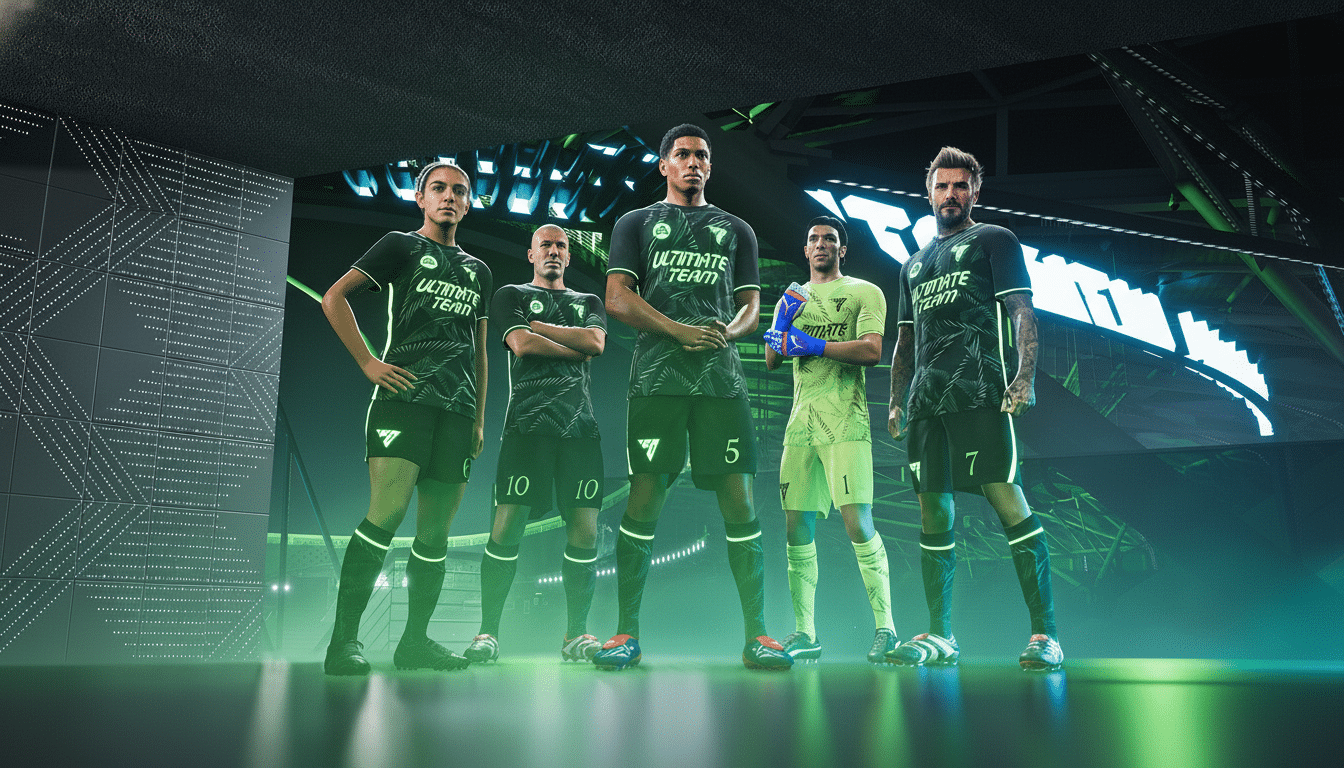
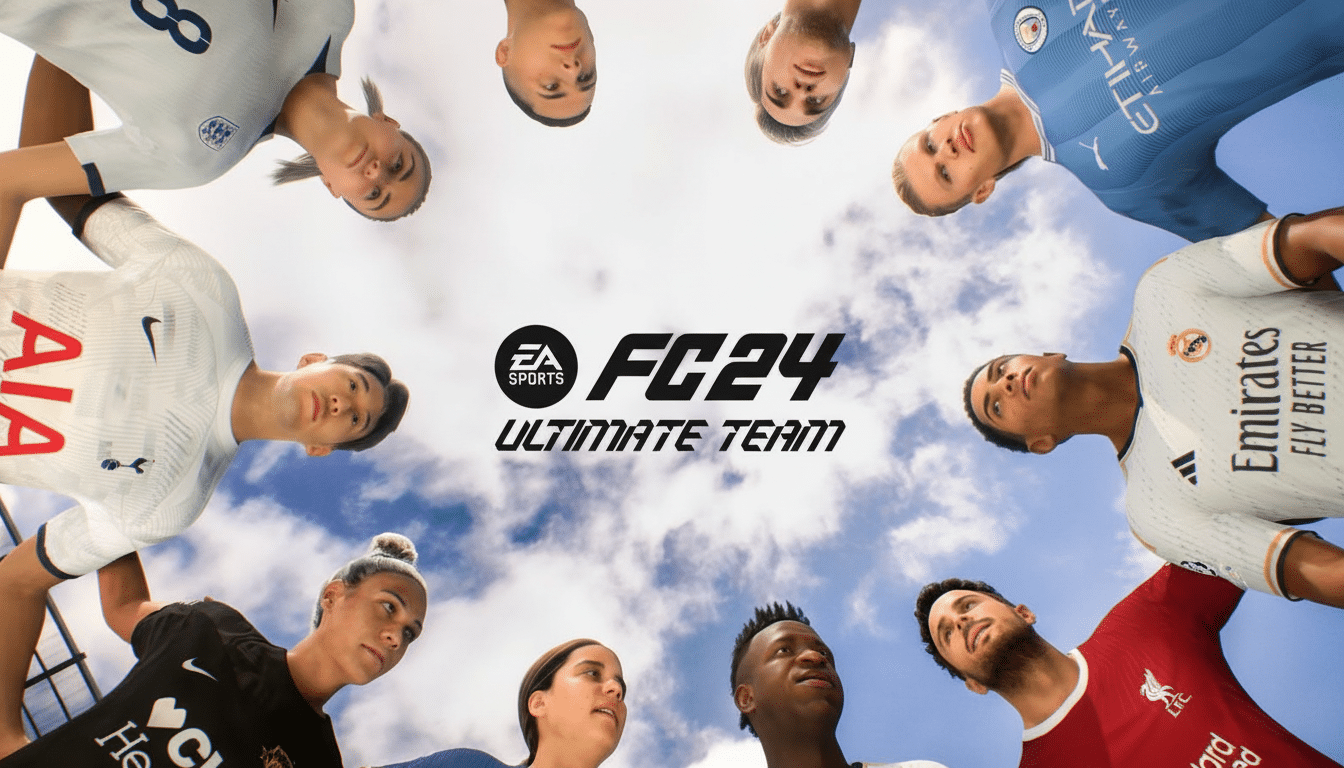
EA fits that mold. Its marquee live-service ecosystems — EA Sports FC Ultimate Team, Madden Ultimate Team, Apex Legends, and The Sims — are now the revenue spine. In recent filings, EA revealed that about three-quarters of company revenue now comes from live services versus one-time game sales, making clearer than ever how engagement, not launches, drives the P&L.
Soaring Development Costs and Compressed Valuations
For its part, the new economics of AAA games has become punishing. When development, live operations, and marketing are all taken into account, top-tier releases can cost hundreds of millions of dollars, according to frequently cited estimates from publishers and investment banks. Longer lead times risk execution just as discoverability gets tougher in heavily populated digital storefronts.
Capital markets aren’t providing much relief. Higher interest rates and a reset in tech multiples have constricted valuations across interactive entertainment. The unwind and restructuring at Embracer Group, along with thousands of layoffs reported across studios during the past two years, reflect a sector recalibrating to slower, steadier growth. Here’s the good news for investors: The sudden end to the pandemic sales boom doesn’t spell massive losses, according to Newzoo’s forecasts, which call for small single-digit expansion rather than a continuation of the pulse-pounding surge seen during those heady years.
Why Going Private Now Could Reshape EA’s Strategy
For the executives and investors, going private can serve a strategic goal. With no quarterly glare, EA, as a publisher, can re-balance its slate, streamline operations, and invest in tooling — especially around cross-platform pipelines, user acquisition analytics, and AI-assisted content creation — without the near-term pressure to ship or over-monetize.
It also supports flexibility in handling large sports agreements. EA’s switch from FIFA to EA Sports FC demonstrates the upside of owning more of the platform, but the company continues to work through complicated deals with partners like NFL, NHL, UFC, PGA, and Formula 1. A private owner can negotiate, bundle, or even sequence renewals with less market-facing distraction, and double down on the modes that consistently monetize.
There’s a timing argument, too. If it’s taken publicly for granted that live-service cash flows may stay healthy but public-market multiples have already peaked, a take-private would bank today’s valuation and leave room to refit for the next hardware cycle and cloud-gaming age.
Deal Math and the Changing Regulatory Terrain
A deal of this size would be among the largest in media and entertainment. The financing stack is significant: When highly levered, you tend to have cost discipline and aggressive pruning of more marginal assets. That might involve fewer bets on risky new IP, and a sharper tilt toward franchises with durable lifetime value — something investors have rewarded more than ever.
On antitrust, a financial buyer generally has a cleaner pathway than a strategic rival would, particularly in the current regulatory climate with all the noise around Microsoft’s Activision deal.
Even so, license partners and sports leagues will be powerful stakeholders, and cloud-distribution dynamics are still on regulators’ radar in both the U.S. and Europe. Execution risk isn’t trivial.
What It Means for Developers and Players
In the short term, the future for creators is probably a little more conservative. The GDC State of the Game Industry survey has already revealed a prevailing fear around job security and funding, and a surge in take-privates could lead to even more emphasis on proven franchises over innovative play. All that said, consolidation can also help standardize tools, reduce platform friction, and open up career paths deeper within large organizations.
That trend for players means more investment into live-service updates, cross-play capabilities, and social layers where compound engagement is highest. The downside might be fewer adventurous mid-budget projects and more time between truly original experiences. Should EA indeed go private, we can expect an even stronger focus — and hopefully savings generated by the reduction of executive compensation deals and dividends paid out to shareholders (including those ever-so-virtuous retirement funds) — on its largest communities, with launches increasingly positioned as conduits to years of content as much as endpoints in themselves.
The final score: EA’s buyout talks are more than just boardroom opportunism. They reflect a marketplace in which engagement is consolidating, costs are increasing, and public valuations are resetting. Whether the company actually does go private, however, the signal is clear — the next stage in gaming will be won by those who own resilient platforms and are willing to invest patiently in the services that keep players coming back.
