


Smartphone manufacturers adore showing off how thin their latest flagships are. But, and here’s the catch: the headline number frequently disregards the camera bump — the raised island making contact with your desk, your pocket and your case. Which makes the question extremely straightforward — and significant — for shoppers as well as spec-sheet sticklers: Should brands count the camera bump when figuring the “thickness” of a phone?
Why the bump matters in real life
The camera module is usually the thickest part of a modern phone, and it determines the way you behave every day. It is the portion that tilts the device when it’s resting on a table, indicates whether or not your case will sit flush, and possibly influences how easily the phone will slip into a pocket. If you set a phone down on a table lens-first, it’s the bump that strikes first. That’s the effective depth of the device from a user’s standpoint.
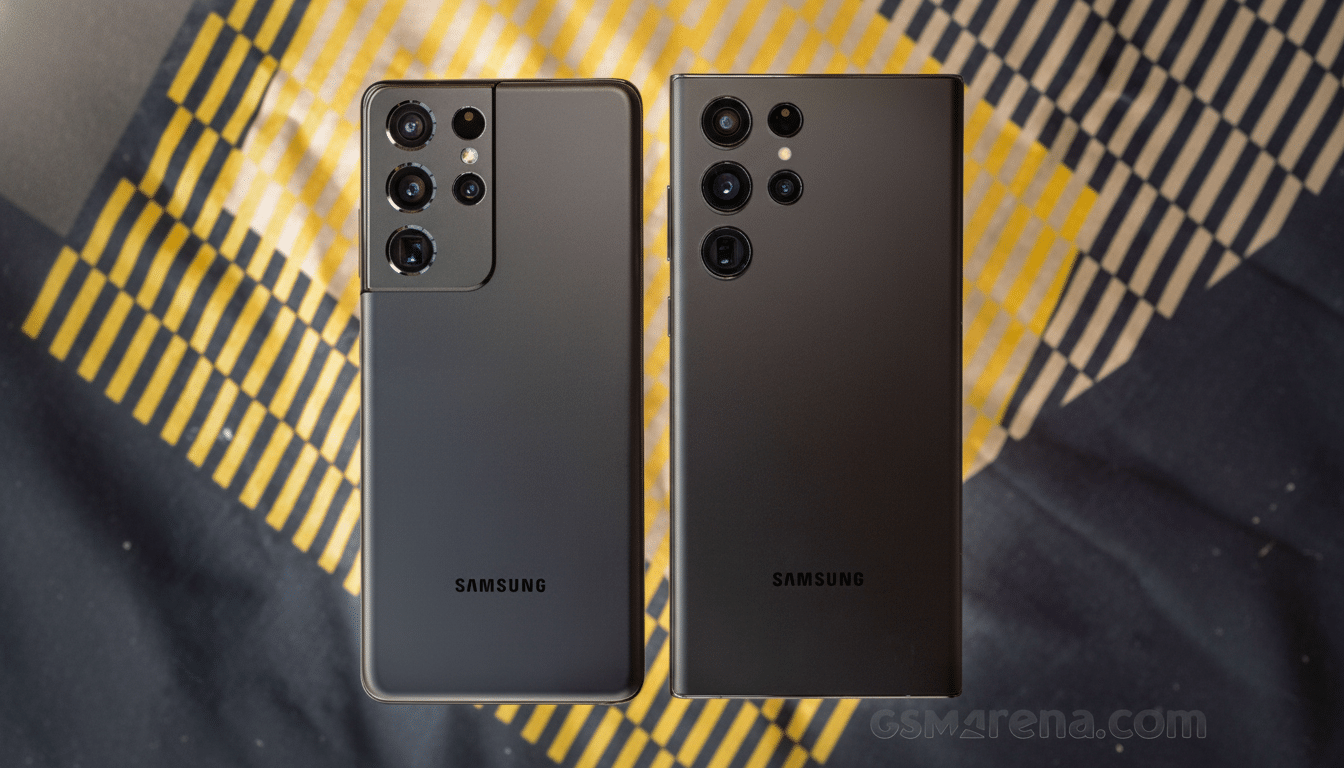
Accessories are only designed around the maximum depth, not the thinnest point. Both case-makers and mount manufacturers count on that tallest Z-height for protection and to avoid clashing. If the spec you see on a product page leaves off the bump, you can even end up with edge cases — in more ways than one — where tolerances are tighter than you anticipated.
What manufacturers report today
Official spec sheets almost always cite the “body” thickness and conveniently omit protrusions. Some brands placed a footnote to remind the measurement does not include the raised camera. Those official numbers are often replicated by third-party databases like GSMArena. Nailing the ideal is something you’ll frequently find in CAD drawings for accessories or in disassembly documentation, not consumer marketing.
Design choices complicate matters. Phones with a horizontal camera bar offset wobble slightly, while also adding height. Cameras with larger sensors and brighter lenses — particularly those nearing 1-inch-type sensors — require thicker optical stacks and optical image stabilization mechanisms. In other words, the bump isn’t just cosmetic flash; it’s a result of aspirations of image quality.
Is there a standard? Not really
Since there’s no standard agreed upon by all considering how smartphone thickness should be reported. Trade groups like the GSMA and the Consumer Technology Association set various guidelines for many device specs, but they have not set a single, universally accepted standard for thickness that accounts for protrusions. Engineering drawings tend to specify a so-called “maximum Z-height,” but you rarely see that detail on retail pages.
Regulators do care about clarity, though. Both the U.S. Federal Trade Commission’s truth-in-advertising principles and the European Union’s Unfair Commercial Practices Directive emphasize the importance that such claims be not misleading to consumers. Naming no more than the thin end can lead to confusion — especially when that thinness is a key part of the sales pitch.
There’s an argument for showing the camera bump
First, there’s the candid, real-life dimension. The greatest thickness dictates how a phone sits, feels and is protected. Listing it as the main figure of merit makes comparisons simple: when there are two devices vying to be the “thinnest,” you’re comparing what’s actually important in use.
Second, it improves cross-brand parity. Without a standardized methodology, a phone with a paper-thin body and a towering camera island can on paper appear thinner than a chunkier device with a flush back. NOW: Reporting the max depth will decree spec-sheet gamesmanship.

The case for excluding it
There are reasons to continue to use the body-only figure as the headline. Many of the products are measured without abstractions for consistency: laptops without rubber feet, TVs without stands, cameras without detachable grips. A body thickness allows you a reliable manufacturing baseline to compare ID (industrial design) too, especially if the edges are in the form of curves, or even chamfers.
There’s also an innovation angle. Camera bumps are in modern phones because yes they go after larger sensors, longer focal lengths, better stabilization. And if the industry coalesces around a single max-depth number, manufacturers might feel required to skimp on imaging hardware in order to claim a marketing line.
A better spec: two numbers, with labels that are easy to read
But the compromise that would make the most sense is dual reporting, of publishing both the thickness of the body and the maximum depth at the camera, and listing them both with equal prominence.
For instance, “Body: 7.2 mm; Max depth (camera): 9.4 mm.” This emulates the way case designers consider (maximum Z-height) while keeping a clean design base for people who drop big bucks on the curve.
Pairing those two numbers with weight should give shoppers a decent idea of total density and hand feel, he said. It’s transparent, comparable and easy to get, no footnotes necessary; no surprises when the phone shows up.
What your vote should hold
If you want spec sheets to say something about what a phone is like to rest on a desk or slip in a pocket, vote to let the camera bump count toward the phone’s thickness.
If that clean industrial-design metric is sacred to you, you might want body-only—if the max depth is declared with the same clarity, that is. The most consumer-friendly compromise is an easy one: mandate both numbers, in the same font, in the same place. This provides people with the facts they need and without the fine print.
