


As shiny new phones attract scuffs on day-one demo units, a familiar debate among buyers has resurfaced. It’s a grand, for chrissakes — should you be entitled to its finish laughing off everyday abrasion, or is a patina of tiny scratches just life? The solution is not as straightforward as “use a case,” but includes materials, design decisions, resale value, and personal preference.
Why This Debate Is Heating Up for New Premium Phones
Within hours of being displayed on retail shelves, new premium models emerged with scuffing around the camera island and edges.
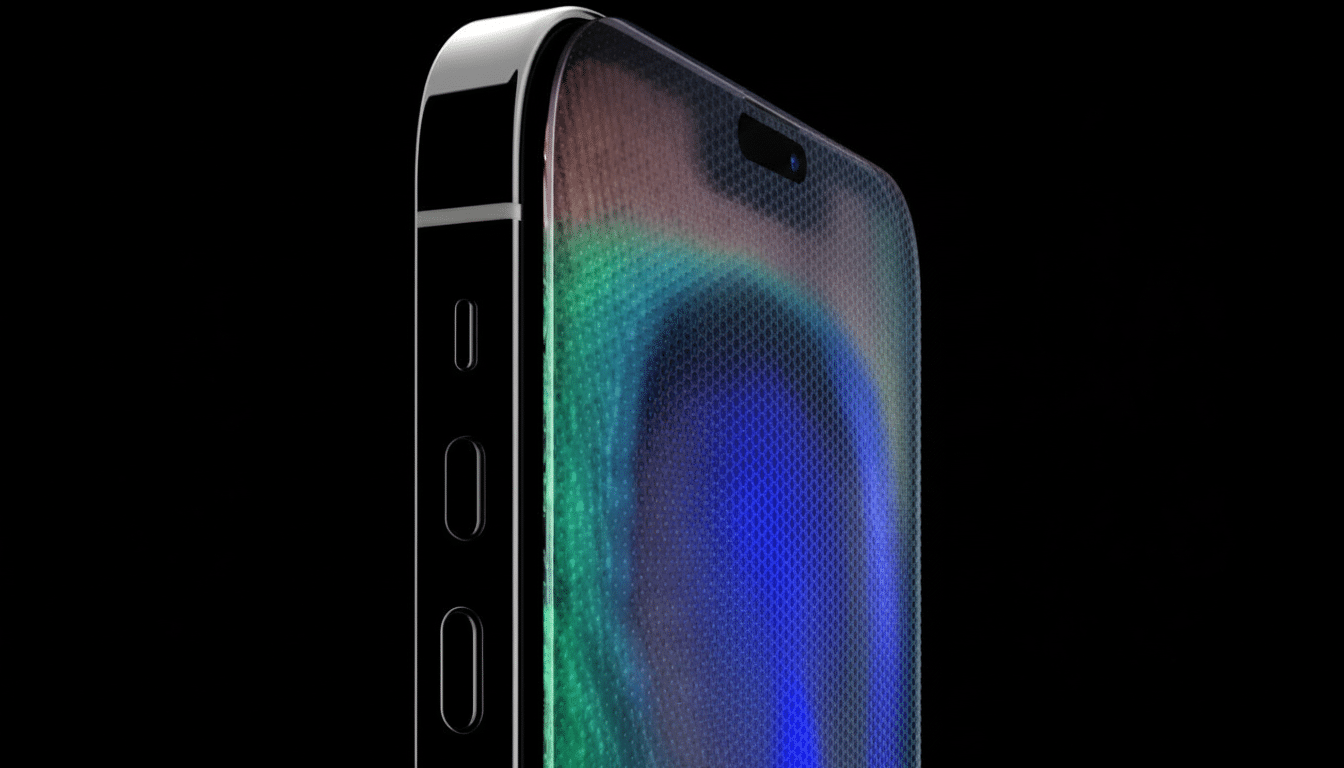
Teardown experts at iFixit took a look at the marks under a microscope and said many blemishes are believed to be caused by the anodized layer flaking off around sharp corners, rather than scratches on the metal underneath. That’s in line with what materials engineers might expect: coatings can chip on edges where stress focuses.
Manufacturers, however, contend that many spots are transitory residue from countertops or fixtures and can be wiped down. Stress testing from creators like JerryRigEverything adds nuance: glass backs can tolerate casual contact without scratching, for instance, but exposed metal or coated edges (think around protruding camera housings) — less so. For consumers, it’s a muddled blend of laboratory studies, marketing claims, and messy results in the real world.
What Materials Science Can Tell Us About Scratches
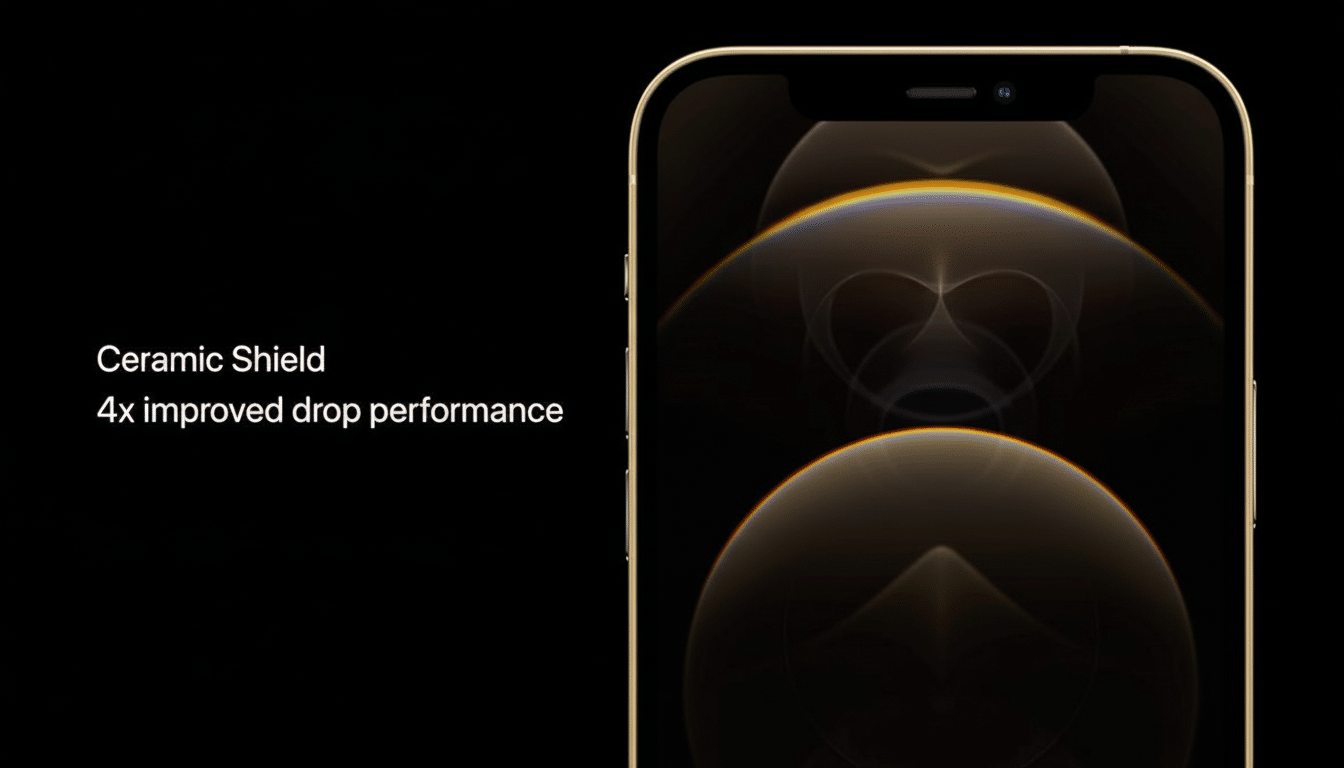
Today’s smartphone glass is an alkali-aluminosilicate composite (such as Corning Gorilla Glass or Apple’s Ceramic Shield). It’s engineered for drop protection first, not bulletproof scratch resistance. These glasses usually have faint marks at Mohs 6 picks and deeper grooves at 7 — right where common quartz sand lies on the Mohs scale. That’s why a pocket that has dust at the bottom, or a beach bag, can be more harmful than keys (usually softer metals).
Metals tell a different story. Anodized aluminum is a premium-looking, thin protective oxide, but it chips more easily around edges. Even if it resists deeper bites, stainless steel can scuff and show fine hairlines. Titanium alloys enhance strength-to-weight, but they still scratch. Designers constantly battle with balancing hardness (resisting scratches) and toughness (surviving drops); make one better, and the other suffers — there’s no such thing as a free lunch.
Cases, Protectors, and Habits That Reduce Phone Wear
The accessory companies do well because that’s what most owners actually want: to keep the pretty face of their phone in pristine condition. Per industry trackers like the NPD Group, case adoption rates in the U.S. are high — a sign that American consumers value protection — especially on those slippery glass-backed phones. Micro-abrasion simply gets the better of you, but not on your actual screen — where tempered glass or ceramic screen protectors take on the punishment. Even a thin “shell” case that surrounds the camera island can spare you the sort of edge wear I’ve seen on store units.
Habits matter just as much. It’s far riskier to pocket a phone with coins or sand than to share space with a clean wallet. Gritty wireless charging pads can skate scratches over camera rings. Wiping the device down with a gentle microfiber cloth, not paper towels, will help to avoid rubbing gritty particles into the finish. A little prevention is the best medicine, and this applies doubly to matte finishes and anodized bits.
Resale Value and Trade-In Reality for Cosmetic Condition
If you cycle through a lot of phones, then money is in cosmetic condition. On resale platforms and carrier trade-ins, devices are graded on a narrow cosmetic scale; “edge dings” or “visible scuffs,” for instance, can downgrade an “excellent” unit to a “good” one, which cuts dollars from the offer. The used-phone market, the Counterpoint Research analysts add, is growing and that expansion has upheld grading standards. In other words, the cleaner your phone is, the more it’s worth when you trade up.
The labs of Consumer Reports and Allstate Protection Plans have for years reminded smartphone users that modern glass is more forgiving when dropped than it once was, but the material still easily scratches in abrasion tests. That’s not a paradox — just an artifact of different modes of damage. A device can survive a drop and then collect minute scratches from dust in your pocket or friction on a table.
So, Do Scratches Matter for Everyday Phone Ownership?
It comes down to priorities. If you hold onto phones for years, don’t mind a “lived-in” appearance, and scarcely trade in your devices, little scuffs can become nonfactors. If you upgrade every year, or if you care deeply about the appearance of your devices, scratches matter — both emotionally and economically. Materials today are such that dramatic breakage is less likely, but they won’t save a device from every scuff, especially on coated metals and sharp corners.
The practical guidance is straightforward:
- Use a screen protector.
- Consider a case that covers the camera island.
- Keep pockets clean and wipe down surfaces gently.
From there, the only correct answer is yours. “Some people think scratches are character; some people think it’s an expense. Where do you land?”
