


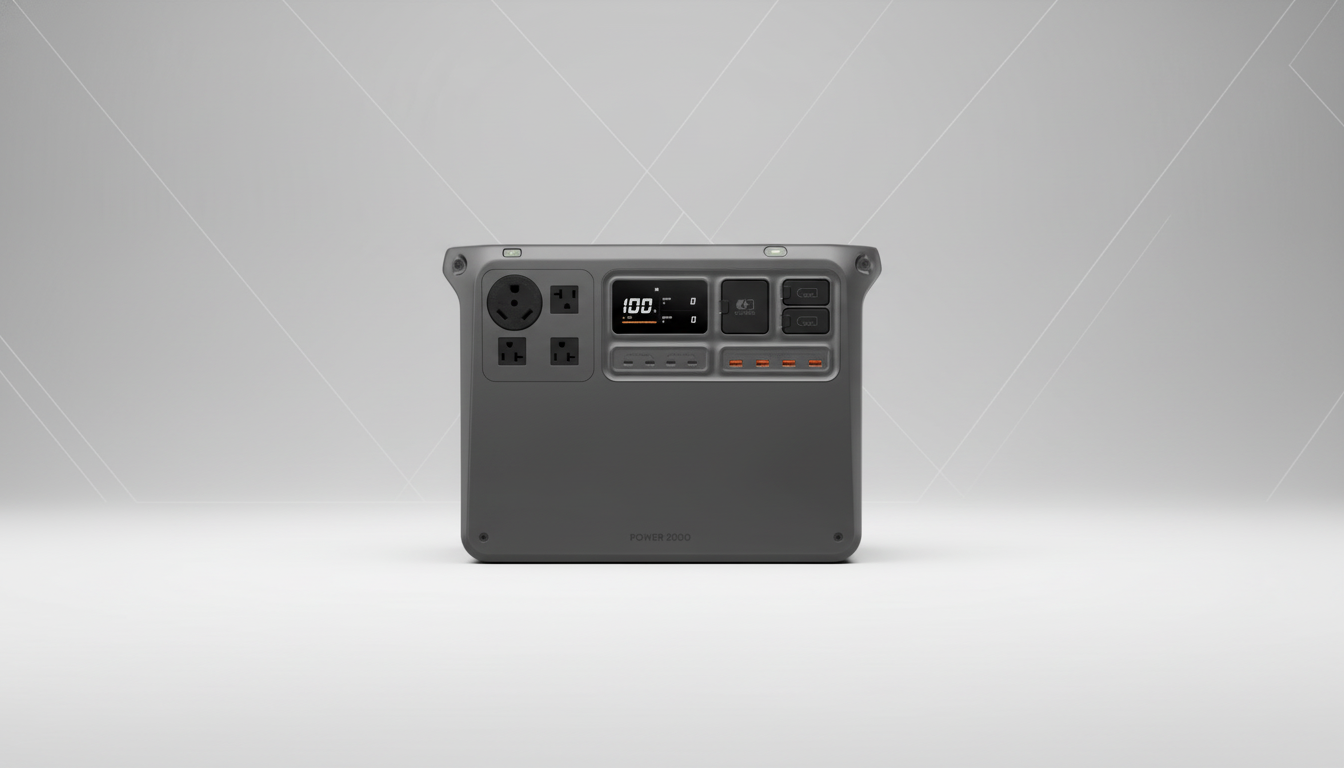
The DJI Power 2000 portable power station has just fallen to $699, which not only matches its Black Friday low but serves as a stand-out opportunity for anyone looking for ample backup juice.
The system had an introductory price of $1,899 before settling into the regular retail price of about $1,299 at popular retailers. This time-limited drop is massively undercutting competing 2kWh-class stations and making an unusually capable system available to campers, RV owners, and home backup planners.
Why this price decline matters for the DJI Power 2000
Costing just $699, the Power 2000 is priced in a bracket previously occupied only by smaller-scale 1kWh systems. It’s not often you’ll see a product with 2,048Wh of storage for around $700 all-in, with a 3,000W inverter and a dedicated 30A AC outlet. Equivalent stations from reputable competitors routinely sell for $1,299–$1,999 even on sale; this is roughly 30% to 60% less than typical street prices on a capacity basis. Price trackers and deal histories indicate that this is a record-low number, matching the most extreme promotional offers to date.
Power where it counts: capacity and real-world output
When it comes to what you can actually run—capacity and output—the numbers are indeed impressive. With 2,048Wh at your disposal, you’re looking at about 100–120 full (average) smartphone charges (allowing for typical conversion losses), and days of use for mobile creators with cameras, tablets, and laptops. Even better, the 3,000W maximum AC output means you can run kitchen tools like an air fryer, microwave, or kettle, or even power tools on a job site—tasks often out of reach for smaller portable power stations.
For emergency prep, that capability gets you useful runtime. A contemporary ENERGY STAR-rated refrigerator with 150W–200W cycling use may be run for over a day on the work done by a full day of sunlight (depending on your climate and placement of the collector). Medical users often bring up CPAP requirements—at about 30W–50W, all-night operation should be easily within reach for several nights. This is the sort of real-world situation where a 2kWh-class station’s savings come in handy.
Ports created for campsites and worksites
The Power 2000 has three regular AC outlets and also a 30A AC port for RV shore-power–style hookups, which is an unusual feature at this price.
That 30A output is helpful for trailers and more power-demanding tools—it’s even compatible with Level 1 trickle charging of EVs in a pinch (with the proper adapter and portable charger). USB connectivity is well covered, with four USB-C and four USB-A ports for phones, tablets, and drones.
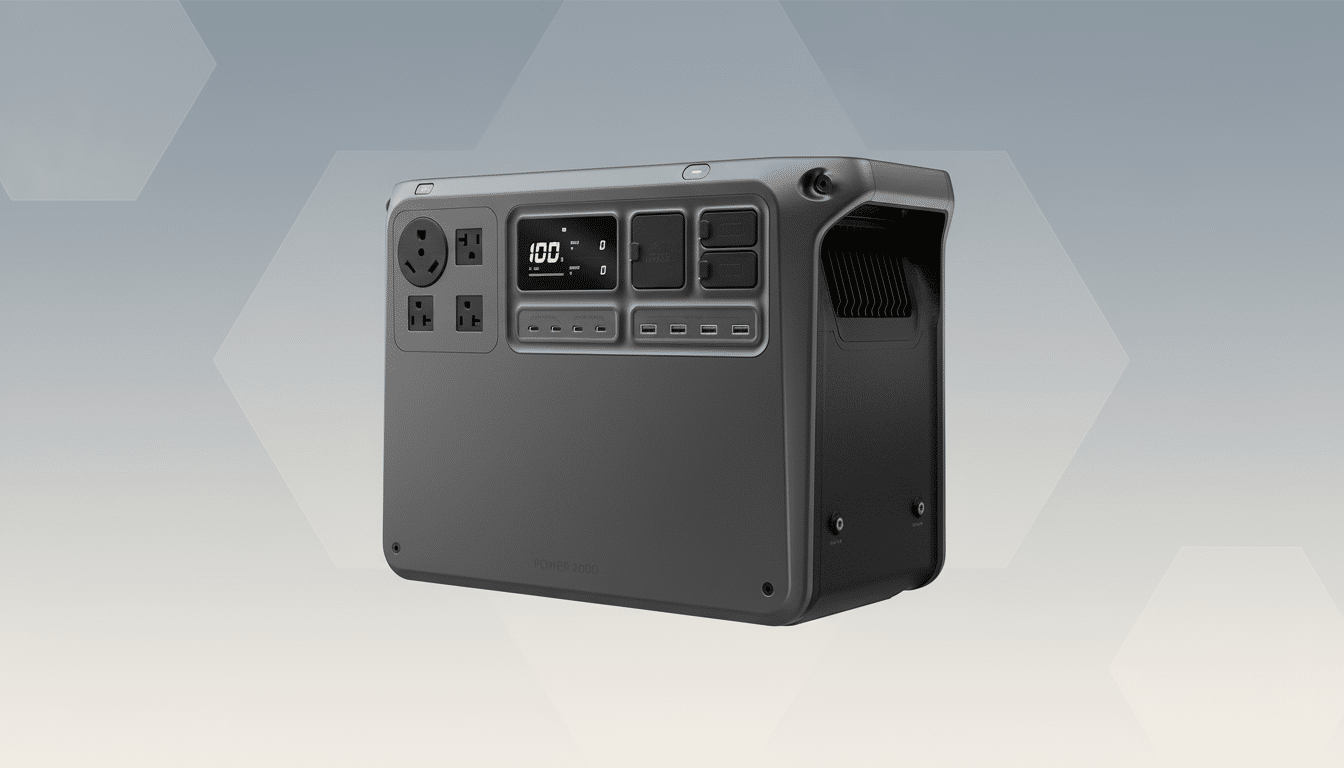
DJI also includes proprietary SDC ports that carry a charge directly to compatible DJI gear, a nice touch for creators already locked into the company’s ecosystem. Meanwhile, the station itself can be charged from a wall outlet for the quickest turnaround time; on the road via your vehicle’s 12V port; or with solar panels—like most popular 100W portable models—when you’re off-grid. The versatility lends itself to being a believable basecamp hub for leisure and production alike.
Portability and build considerations for everyday use
At 48.5 lb, it’s not ultralight but is manageable for short carries from a car to a campsite or in and out of a garage. For many such users, that weight-to-output balance is the sweet spot they’re looking for: serious AC power without moving on up to cart-and-wheel formats. Like all high-capacity stations, be sure to plan for your lifting and placement and have the proper cabling (for the 30A outlet) to avoid overheating or nuisance trips.
How it stacks up against the competition
In the 2kWh segment, established options such as the Jackery Explorer 2000 Pro, Anker’s SOLIX F2000 series, and EcoFlow’s Delta 2 Max often provide 2,000–2,160Wh in capacity, with similarly sized capacity, lower-end output, and limited app ecosystems. They’re fantastic instruments but, even on sale, frequently remain firmly in four-figure territory. For $699, the DJI unit is cheaper than those competitors by hundreds of dollars while offering a stronger or similar set of specs, including max AC output and the availability of a 30A port.
Independent testing protocols established by bodies such as Consumer Reports highlight the need to match inverter output with appliance surge, as well as to check for safety certifications on portable power gear. As with any purchase, a buyer should validate details such as battery chemistry type, cycle life, and warranty conditions, but the Power 2000’s bargain-basement price is alluring for the vast majority of everyday use cases.
Who this is for: buyers that benefit most right now
Whether you’re outfitting an RV, assembling a home emergency kit, or powering on-site shoots, this setup strikes a happy balance between sheer capacity and portability. Artists working with drones and cameras, meanwhile, will appreciate the tailored ports, while homes in storm-prone areas—a problem echoed by repeated extreme-weather outages in recent reliability reports from the US Energy Information Administration—get a quiet, emissions-free alternative to small gas generators.
Because of the range of devices it can power and its rock-bottom price, the DJI Power 2000 is one of the few “buy it now” portable power deals that makes sense even if you aren’t quite ready with your full off-grid kit. Deals on backup power like this are typically short-lived at this level, and this one puts significant backup capability within reach for much less than usual.
