


The DJI Power 2000 portable power station just dropped to a record-low $699, a steep $600 below its usual price, with the deal currently offered as a Prime-only promotion on Amazon. For a 2,048Wh unit with serious output and a travel-ready footprint, that figure resets expectations for what a capable mid-size station should cost.
Record-Low Price for a 2kWh Portable Workhorse
Portable power stations with roughly 2kWh of capacity from well-known brands typically land between $1,000 and $1,800 when not discounted, based on recent buyers’ guides from consumer testing outlets. Sliding under $700, the Power 2000 meaningfully undercuts many rivals without trimming the core specs that matter for emergency backup, road trips, and field production.
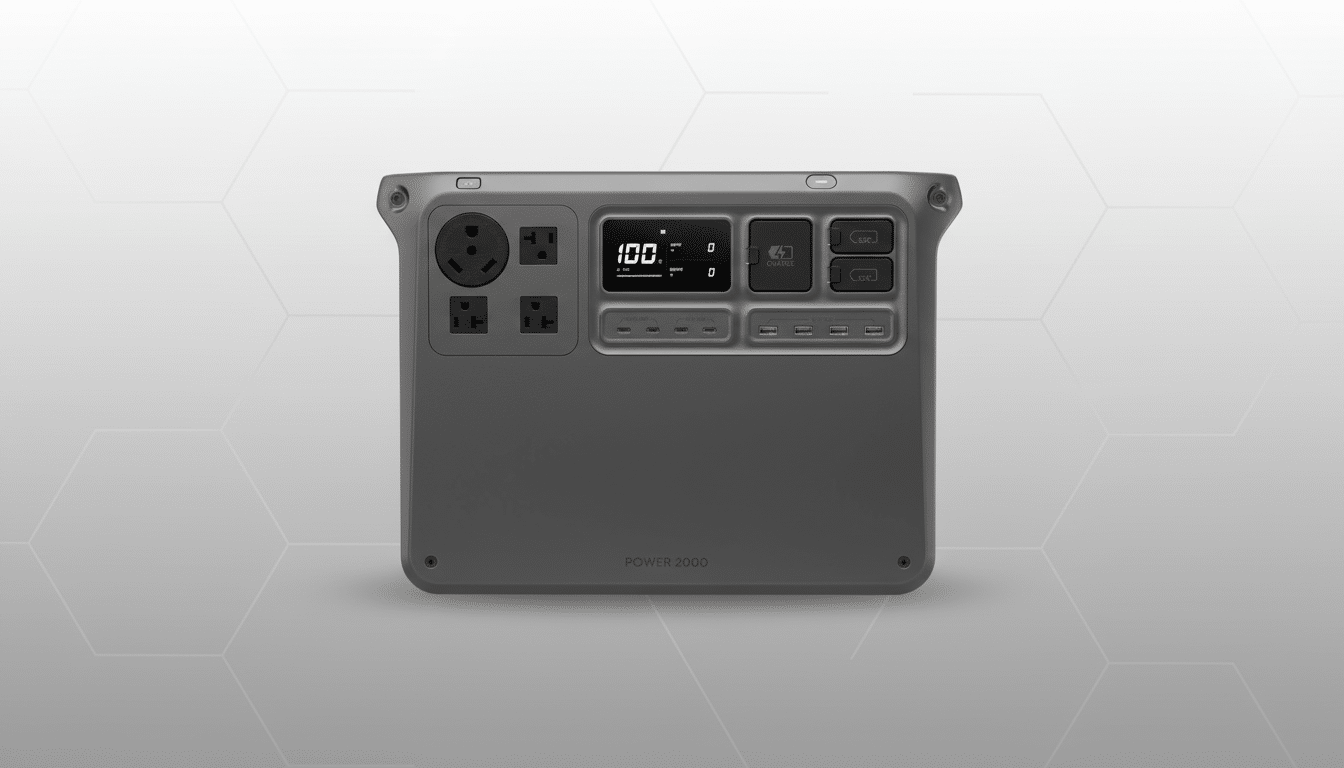
That value proposition will resonate with homeowners seeking outage insurance, RVers who need a 30-amp hookup option, and creators who want to charge cameras, drones, and laptops away from the grid without hauling an unwieldy 70-pound unit.
Power and Ports for Home, RVs, and the Road
At its heart is a 2,048Wh battery paired with a 3,000W maximum AC output, enough muscle to run a household refrigerator, heat small appliances like kettles and air fryers, or power tools and hair dryers within rating limits. The presence of a 30-amp AC outlet is a standout at this price, offering compatibility with RV shore-power style connections and even basic EV trickle charging scenarios in a pinch.
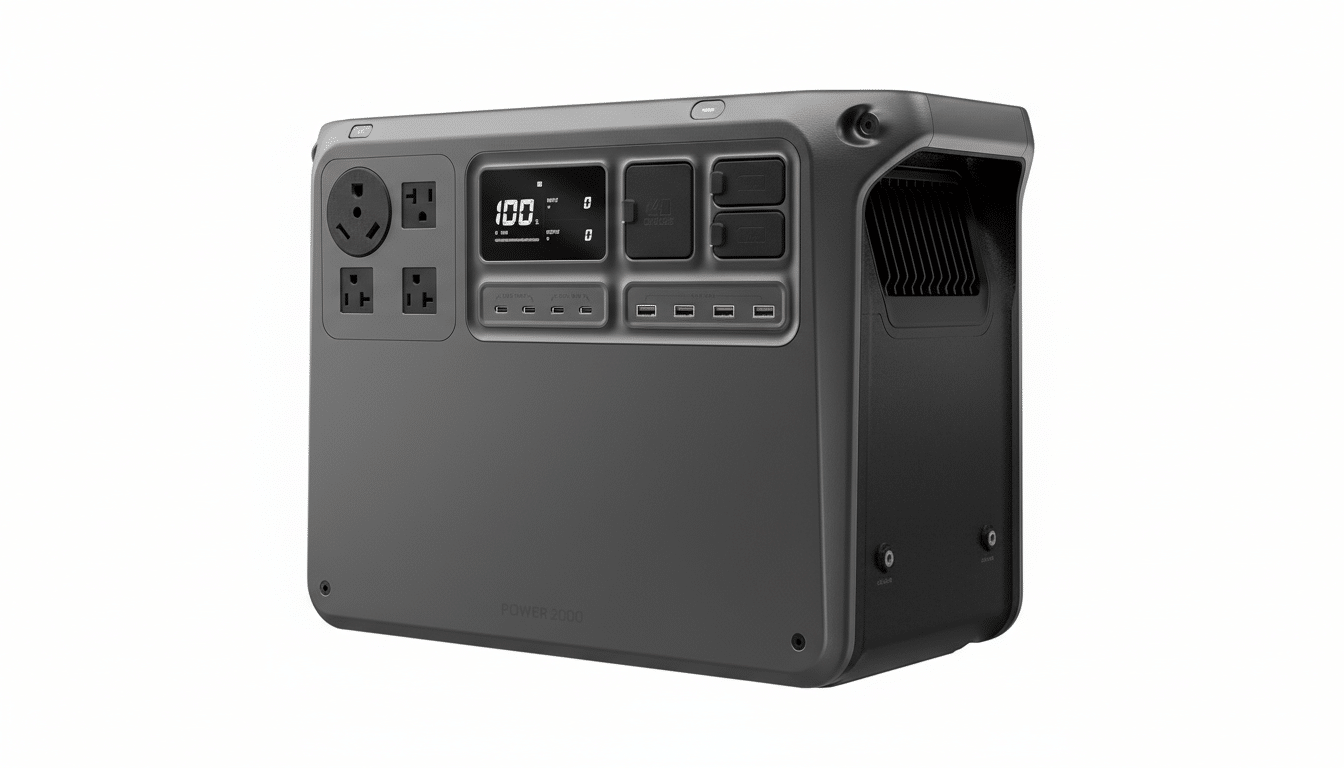
Port selection is comprehensive: three standard AC outlets handle everyday electronics, four USB-C and four USB-A ports cover phones, tablets, and accessories, and DJI’s SDC outputs enable efficient charging for the brand’s gear, including drones. For working shooters, that means topping off drone batteries and camera rigs while simultaneously running a laptop and lighting, all from one box.
For perspective on the capacity, a typical smartphone could be refueled more than 100 times, while a tablet can see roughly 20 full charges. Higher-draw appliances vary widely, but the 3,000W ceiling allows short bursts for microwaves and hair dryers, with steady power for fridges and networking gear. As always, real runtimes depend on device efficiency and inverter overhead.
Portable Enough to Take Anywhere, Yet Manageable
Weighing 48.5 pounds, the Power 2000 walks the line between capacity and carry-ability. It’s not a backpack item, but it’s manageable for loading into a car, moving around a campsite, or repositioning during a home outage. That balance is crucial for buyers who have outgrown compact 500Wh stations but don’t want to wrestle with bulky, generator-sized batteries.
Recharging Options and Safety Features Explained
Recharging can be done from a wall outlet, a vehicle’s 12V socket, or solar panels when you’re off-grid. That flexibility makes it viable for extended trips and for topping up during daylight in an outage scenario. The unit includes the expected battery management safeguards and temperature protections that seasoned users look for in a high-capacity station.
Why This Deal Stands Out Right Now for Buyers
Grid resilience has become a bigger priority for households. Federal energy data has shown U.S. customers experiencing hours of interruption annually in recent years, with extreme weather a leading driver. Emergency agencies recommend maintaining backup power for critical devices, and a 2kWh class station can keep essentials like phones, modems, and medical devices powered through short outages while also supporting daily convenience.
In the broader market, price drops of this magnitude on 2kWh, 3kW-class stations are rare outside major shopping events. Hitting sub-$700 while retaining a 30-amp outlet, ample USB-C, and a robust AC array makes this one of the most compelling value-to-capability plays currently available.
If your use case involves RV stays, backyard gatherings, content production, or simply shoring up home resilience, this pricing removes much of the hesitation that usually comes with stepping up to a larger unit. Prime members get the deal; others may want to monitor for bundle offers or future promotions. As always, match the station’s continuous and surge ratings to your heaviest loads before you buy.
