


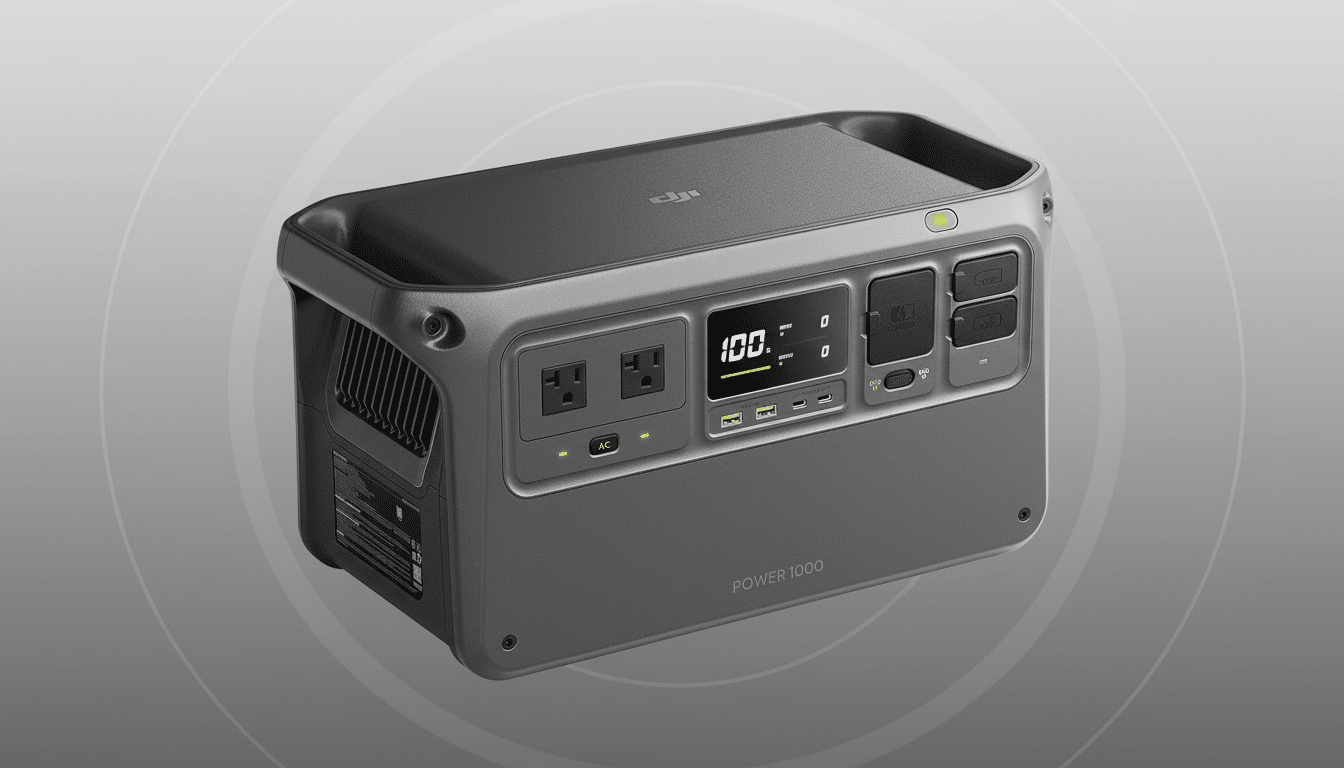
One of the best portable power deals of the season just hit: The new DJI Power 1000, a 1,024Wh power station, is on sale at Amazon for $349 after a $350 discount. That’s half price on a device intended to keep home essentials — laptops, camera gear, and more — running when the grid can’t or you’re miles from an outlet.
For anyone looking to secure a reliable backup before winter power outages, or plan an off-grid trip, this is the rare opportunity to get a 1kWh-class station at low-tier pricing. Competing capacity models from top brands typically cost between $499 and $999 when not on sale.
- Why this DJI Power 1000 deal stands out right now
- Key specs that matter in real-world daily use
- Fast charging and what it means for your experience
- Real-world runtime examples for common devices
- How we compare to popular portable power alternatives
- Who should hop on this limited DJI Power 1000 deal
- What to know before you buy or rely on this station
Why this DJI Power 1000 deal stands out right now
Price-to-capacity is the headline. At $349, you’re spending approximately 34 cents per watt-hour — competitive even by holiday deal metrics. The DJI brand carries weight in mobile power as well, thanks to the company’s history of building robust, field-ready systems for drones and production gear.
The discount also comes at a time when resilience is top of mind. According to the U.S. Energy Information Administration, the length of power outages has increased over the past decade, with a typical customer spending several hours without electricity per year. You won’t power your entire home on a 1kWh station, but it will fill in the most critical gaps for being connected, medical devices, and food safety.
Key specs that matter in real-world daily use
Capacity: 1,024Wh provides long-lasting power supply and takes you through the night; reasonable multi-thousand-watt energy storage is impractically bulky for outdoor applications. It is that perfect balance for an apartment, a small home, and vehicle trips.
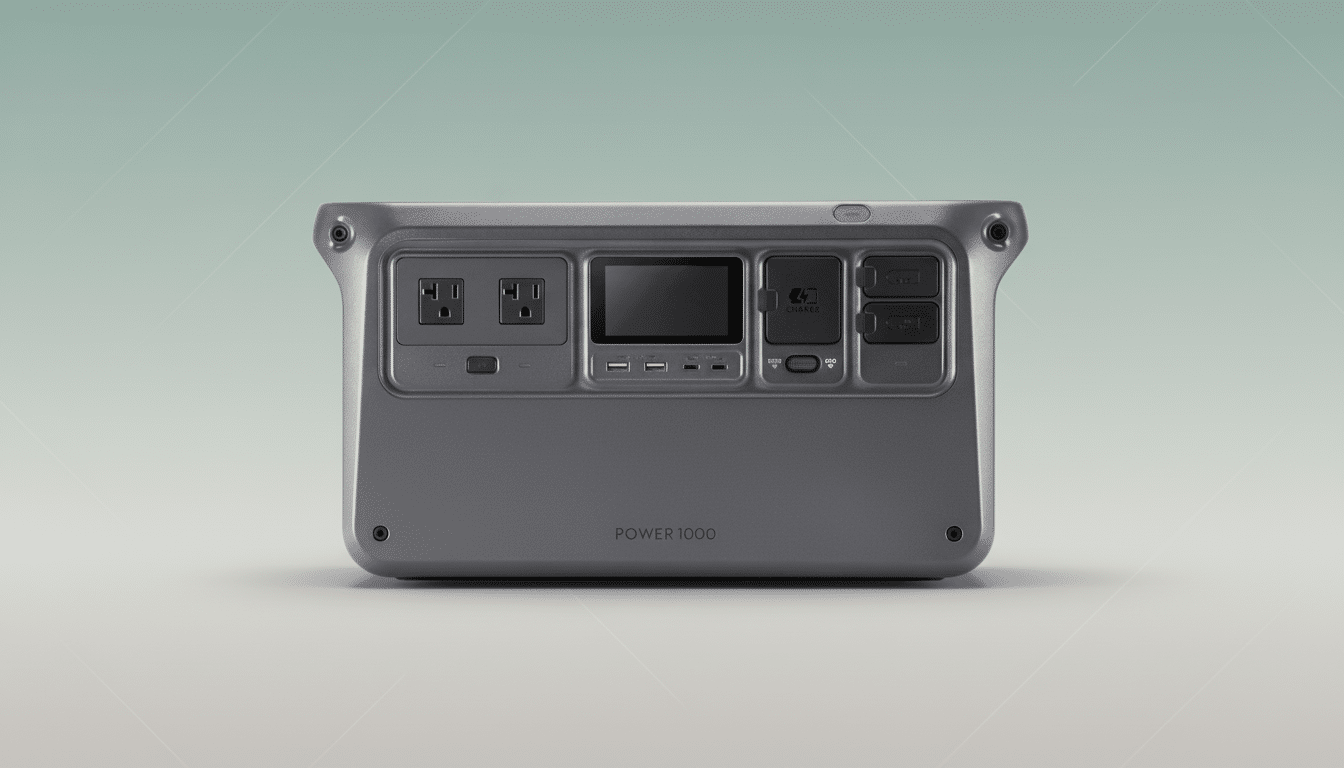
Ports: Dual 140W USB-C ports support USB Power Delivery 3.1, providing full-speed charging for devices that require more power like 16-inch laptops and high-end tablets and mirrorless cameras. You will also receive AC outlets for appliances and traditional chargers.
Charging speed: DJI claims to be able to recharge back to 100% from an outlet in just over one hour and in the area of 80 minutes given ideal conditions with solar. Speed in the recharge process is crucial during rolling outages or short travel windows.
Noise level: An extremely quiet 26 dB volume makes it library-quiet and suitable for daytime use or overnight, making your sleep more comfortable without the generator noise that can wake you in the middle of the night.
Fast charging and what it means for your experience
Faster recharges are not just convenient but a force multiplier. If you add ~1kWh-ish per hour while the grid is up, you can load level power between outages. For those who use solar, shorter windows of sunlight can become more productive, and road trippers don’t need to stop for eight hours in a parking lot — they can refuel their vehicle while stopping for lunch and continue on.
Real-world runtime examples for common devices
Efficiency depends on the device and whether you use AC or DC outputs, but here are some ballpark figures that might help guide your planning:
- Wi‑Fi router and modem (~20W): 35–45 hours of connectivity to support work and the smart-home essentials online.
- CPAP machine (~40W average): approximately 16–22 hours (this may span multiple nights for many users).
- Portable fridge/freezer (30–60W cycling): 18–30 hours, depending on ambient temperature and insulation.
- 16-inch laptop (100Wh battery): charge USB‑C laptops at full speed via a high-power DC output port, such as the new MacBook Pro, Dell XPS, ThinkPad T Series, and Surface Pro models.
- Smartphone (~12Wh): approximately 1–2.5 full charges; no need to worry about running out of phone battery.
How we compare to popular portable power alternatives
In the 1kWh class, EcoFlow’s Delta 2 and Jackery’s Explorer 1000 Plus are solid but usually more expensive when not discounted. The DJI Power 1000’s pair of 140W USB-C ports is notable for creators and remote workers who need fewer brick chargers — not to mention a faster turnaround on notebook battery life.
If long whole-home coverage is a priority for you, then larger 2–3kWh stations with add-on expansion batteries may be better. But they’re heavier and a whole lot more expensive. A nimble 1kWh unit meets the basic needs for most households with less fuss.
Who should hop on this limited DJI Power 1000 deal
- Home users looking for a quiet, small backup for routers, phones, and lights or a fridge during short outages.
- Campers, overlanders, and vanlifers looking for substantial capacity without a dedicated generator.
- Creators and drone pilots who are reliant on high-wattage USB-C for cameras, laptops, gimbals, and accessories.
What to know before you buy or rely on this station
Know the wattage of appliances you want to operate and allow for conversion losses if using AC. To get the best efficiency with laptops and phones, try not to use AC bricks; connect via USB-C PD instead. If you intend to add solar, check panel compatibility and connections, and aim for strong sun to get the fastest results.
Like all deals, pricing and availability are subject to change. But the DJI Power 1000 is just $349 for a 1,024Wh fast-charging station with dual 140W USB-C, which pegs it as one of the most compelling value propositions right now in its class.
