


Disney is increasing the prices of its Disney+ and Hulu subscriptions next month, as it raises rates across all of its standalone plans and bundles while pushing to transition its streaming strategy from hyper-growth mode to a path toward profitability.
The Disney+ plan supported by advertisements will jump to $11.99 a month, an increase of $2. Disney+ Premium, the ad-free option, will increase $3 to $18.99 a month, and the annual Disney+ Premium plan will be $189.99. For Hulu, the ad-supported plan makes a jump to $11.99 from $9.99 per month, and its ad-free version remains at $18.99 per month. ESPN Select, the entertainment-oriented sports tier, increases from $11.99 to $12.99 a month.
And the bundles are going up, too: a combination of Disney+ and Hulu with ads will be $12.99 (it’s currently $10.99 per month), while a combo of Disney+, Hulu and ESPN Select with ads will cost $19.99 (versus the current price of $16). The entire matrix of changes is posted on Disney’s support site.
The timing is sensitive. Subscriber sentiment has been choppy, with cancellations surging recently in response to viewer backlash from Disney platforms temporarily taking down Jimmy Kimmel programming. Price hikes tend to increase churn in the short term, analysts at firms like Antenna said, before behavior readjusts.
What’s changing for subscribers under the new prices
For viewers who are sitting through ads, the duo bundle is still a money-saving deal compared with purchasing plans à la carte. Alone, Disney+ with ads at $11.99 and Hulu with ads at $11.99 is a combined $23.98; the bundle costs just over half of that amount: $12.99. The ad-free lineup is a bit different: Hulu without ads stays at the current $18.99, and Disney+ Premium jumps to $18.99, which puts up an entire ad-free tower above the ad-supported bundle.
Annual Disney+ Premium subscriptions are also being increased to $189.99. Annual billing still provides the certainty and a minor discount compared with month-to-month, but that price gap shrinks for casual viewers who might want to cycle through services.
Why Disney is hiking prices across its streaming services
Content costs, particularly for tentpole franchises and live sports, are still the biggest pressure point. Disney has told investors on previous earnings calls that its streaming business is going after not just subscriber growth but sustained profitability, and that average revenue per user (ARPU) will need to rise across both the ad-supported and ad-free tiers. The company has also leaned into advertising, where the market for premium, brand-safe inventory and richer targeting can serve as a counterbalance to subscriber churn.
Price increases are now standard throughout the industry. (Competition has driven those rivals to continuously increase their pricing while adding higher ad tiers, cutting underperforming content and cracking down on account sharing.) Disney indicated it would follow a similar playbook: more aggressive monetization, as well as sharper curation of original content and bundles that keep people in the ecosystem.
Bundles, sports and the bigger streaming race
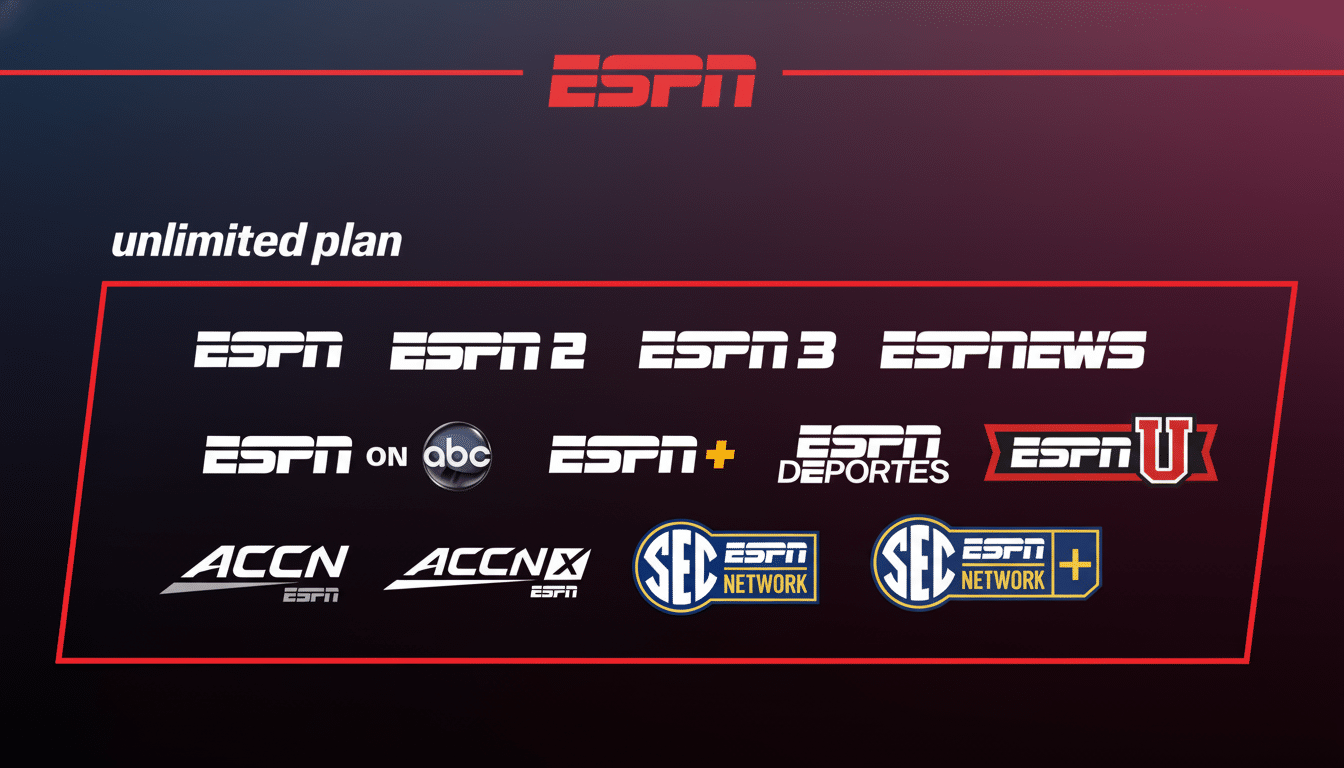
The $19.99-a-month trio offer with ad support reflects Disney’s attempt to bundle general entertainment, family franchises and sports into a single subscription. Although ESPN Select is different from a full direct-to-consumer ESPN offering, even a lighter sports package comes with meaningful rights costs. Bundling reduces churn risk and increases engagement with services, a strategy media companies have long considered their surefire bet for revenue stability.
For Disney, however, the growing-bundle strategy also serves as a shield against competition from single-service rivals. As streamers crowd into the same price brackets, they are increasingly defining themselves by library size, live events and user experience — one area in which a multi-service offer can throw punches at standalone subscriptions on perceived value, even as nominal prices rise.
What subscribers should consider before the price changes
Households that watch Disney+ and Hulu monthly will still find the ad-supported bundle cheaper. If viewers are most interested in seamless playback, they may want to reconsider if they need both services ad-free all the time, or if alternating one premium tier each month is a better strategy.
Families with heavy kids’ viewership or fans devoted to marquee series are going to be the ones most likely to soak up the increases. The more casual users may favor binging and pausing. In any event, do your own tier check on your next bill and mull over whether a bundle, an annual plan or a temporary rotation is what aligns best with the way you watch TV.
Bottom line: Price hikes are coming next month to Disney’s streaming lineup across the board.
It is betting that sturdier bundles, a deeper ad business and franchise-heavy programming will keep the vast majority of subscribers buckled in — even as it asks them to pay more for the ride.
