


If you’ve cut the cord, a digital antenna should be your next move. Streaming is great for prestige shows and on‑demand binges, but the most valuable TV in America still happens live on broadcast networks—and it’s free over the air. A small, one‑time antenna purchase can unlock marquee sports, big‑ticket events, and local news without adding another monthly bill.
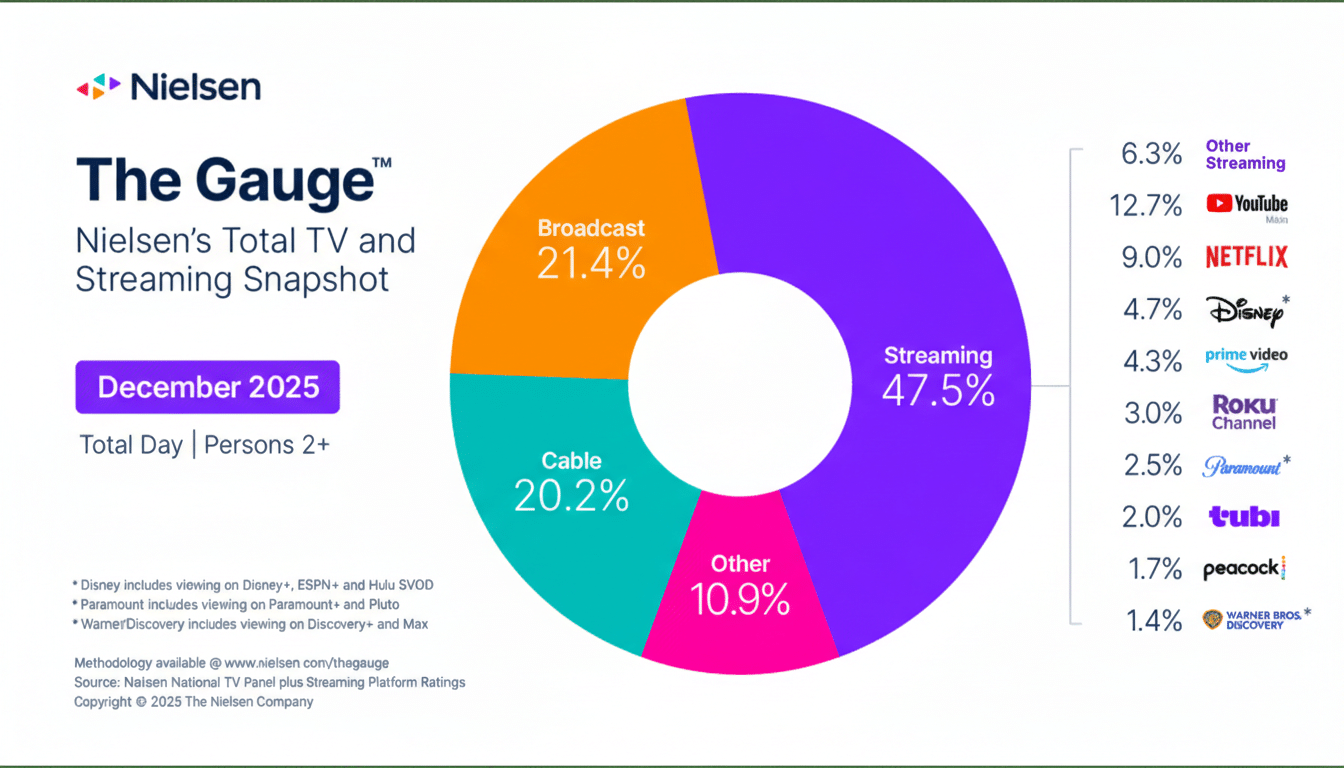
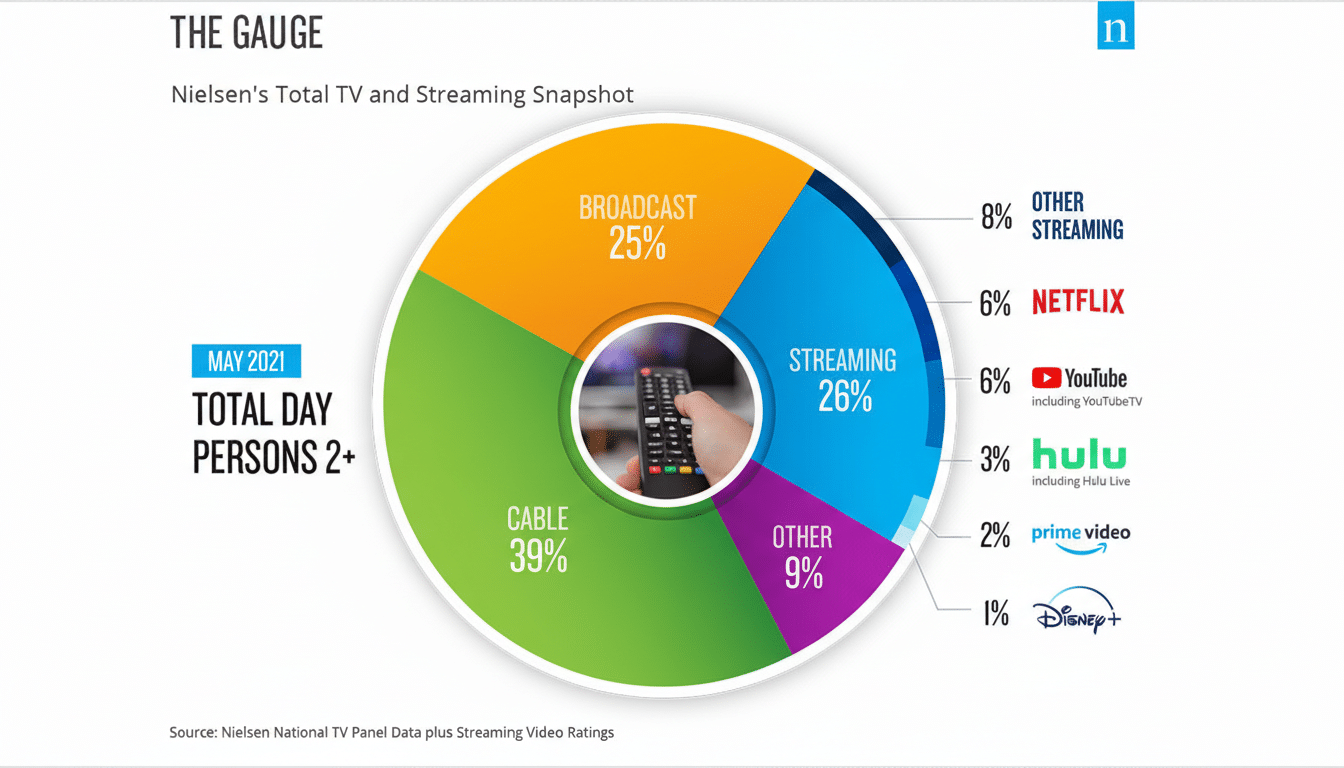
Industry data backs up the shift. Nielsen’s The Gauge has consistently shown streaming as the largest slice of TV time, yet its own year‑end tallies also reveal that the most‑watched programs remain live sports carried by major broadcast networks. In other words, you can pay to stream what many households already receive free with an antenna.
Why Antennas Matter Now for Live Sports and News
Live rights are the last moat. NFL on CBS, FOX, and NBC; college football and marquee NBA games on ABC; select NHL and soccer fixtures on network TV; and the World Series on FOX—all are carried on stations you can receive with an antenna in most markets. When a streaming service simulcasts these events, you’re often paying for something you can get at no cost.
An antenna also sidesteps cable and streaming blackouts caused by carriage disputes. When negotiations between distributors and broadcasters break down, channels can vanish overnight on paid platforms. Over‑the‑air signals keep coming. Local news, severe‑weather coverage, and emergency alerts (via the FCC’s Emergency Alert System) continue to reach you even if an app fails or your pay‑TV login stops working.
What You Get for Free with Over-the-Air TV Channels
Beyond headline sports, broadcast TV delivers a deep lineup of subchannels that streamers overlook. Networks from groups like Scripps, Sinclair, and Weigel run free diginets—think MeTV, Ion, Bounce, Court TV, and Comet—packed with classic series, crime docs, and sci‑fi. Many markets offer 40+ channels, all unlocked the moment you scan for signals.
Picture and sound quality can surprise you, too. Because over‑the‑air feeds aren’t squeezed by the same bandwidth limits as many apps, 1080i and 720p broadcasts often look cleaner with fewer compression artifacts, and 5.1 surround is common. Live sports in particular can appear crisper and arrive with lower latency than their streaming counterparts.
Cost and Value Check for Cord-Cutting Households
Quality indoor antennas typically cost $20 to $60; robust outdoor models run higher. That’s still less than a few months of a single streaming subscription. If an antenna lets you drop even one $10 to $20 add‑on you keep only for games or local news, the hardware pays for itself fast and keeps saving money every year.
There’s also a data dividend. Streaming live HD sports can burn several gigabytes per game. Over‑the‑air viewing uses no broadband at all, a meaningful perk if your household hits ISP caps or competes for bandwidth during big events.
Choosing the Right Antenna for Your Location and Needs
Start with location, not logos. Use the FCC’s DTV Reception Maps, AntennaWeb, or RabbitEars to see which stations broadcast near you and in what directions. If towers are within roughly 20 to 30 miles and signals are strong, a flat indoor antenna near a window often does the trick. For fringe areas or attic installations, consider a directional or outdoor model.
Amplification can help overcome long cable runs or splitters, but it won’t invent signal that isn’t there. Beware range claims; a “100‑mile” sticker is marketing, not physics. And ignore “4K antenna” labels—there’s no such thing. All modern antennas receive the same UHF/VHF frequencies; picture format is determined by the broadcast standard and your TV tuner.
Setup Tips That Actually Work for Better Reception
Higher is usually better. Place the antenna as high as practical, near a window, and away from metal surfaces. Run a fresh channel scan on your TV, then fine‑tune placement by rescanning after small moves or orientation changes. The FCC recommends periodic rescans as stations adjust facilities or add subchannels—you may gain new content over time.
If you want DVR convenience, pair the antenna with an over‑the‑air recorder. Popular options include Tablo, HDHomeRun with a Channels DVR setup, and dedicated boxes from TiVo. Many smart TVs also integrate antenna channels directly into live‑TV guides, so switching between apps and broadcast feels seamless.
NextGen TV Is Rolling Out in Major U.S. Markets
ATSC 3.0, branded as NextGen TV, is expanding in major markets, according to the Advanced Television Systems Committee. It promises sturdier reception, improved audio, and the potential for 4K HDR in the future. You’ll need a TV with a NextGen tuner or an external box to receive it, but it uses the same antenna you’d buy today.
The bottom line is simple: streaming dominates our routines, but antennas win the moments that matter live. For a modest, one‑time cost, cord cutters can reclaim free sports, news, and events—plus a surprisingly rich lineup of bonus channels—while insulating themselves from blackouts, buffering, and yet another monthly fee.
