


The social shopping app Depop is releasing a feature called Outfits, a fashion collaging tool that allows users to play stylist and create Pinterest-worthy moodboards before turning them into shoppable looks. It’s a transparent nod to the visual inspiration addiction of Gen Z and a savvy play to turn aesthetic discovery into resale purchases without leaving the app.
Inside Depop’s new Outfits moodboard studio
Outfits brings an airy design studio to the Depop marketplace. Users can select any listing they wish to style, tap on a scissors icon to “cut out” pieces and position items on an editable canvas. They can resize and rotate pieces, swap in colorful backdrops for the clean white studio, and drop them into simple templates that help balance a look. The result is a slick collage that feels at home in social feeds, not just commerce pages.
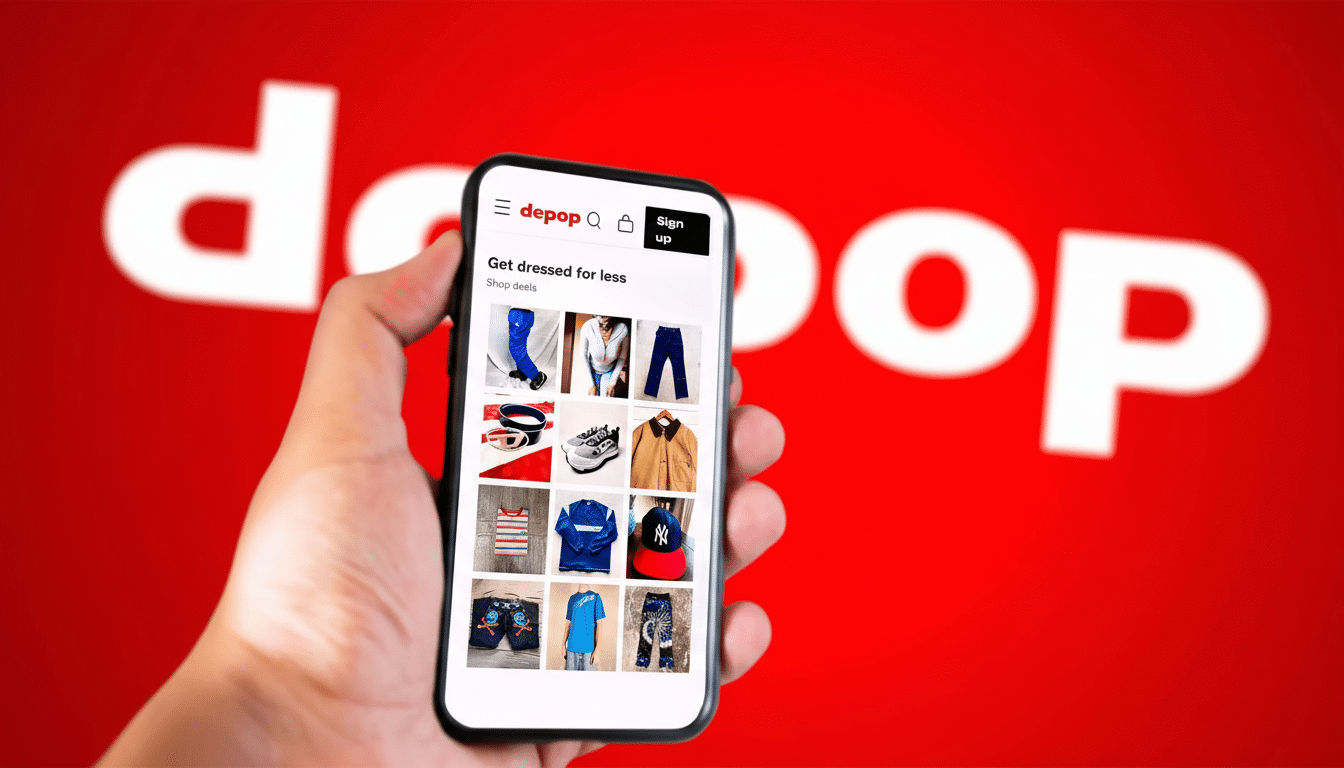
There is an associated listing for every single item in a collage. And if something ends up selling out, Depop can offer similar alternatives so the collage doesn’t dead-end. That also counts in resale, where availability fluxes and buyers want fast, credible “if not this one, the other” options should a one-off go.
Sharing extends beyond the app. Finished Outfits can be shared as static images on places like Pinterest, Instagram and elsewhere where fashion inspiration already flows. For sellers, that provides a road from moodboard to checkout in fewer clicks than usual for social posts.
Why fashion collaging is resonating with shoppers now
On youth platforms, collage culture — part digital scrapbooking, part editorial styling — has become a go-to mode of expression. Pinterest was among the first to popularize the format with Shuffles, a standalone app it introduced this year that was later folded more deeply into its main Pinterest experience; the aesthetic has lingered stickily across Instagram and TikTok’s photo features. And basically, Depop is importing that same language of style curation into its own shopping flow.
The practical upside: contextual styling tends to pose the buyer’s biggest question — what do I wear this with? — before it’s asked. “Complete the look” modules and editorial pairings perform consistently well in fashion e-commerce, with higher conversion rates and bigger basket sizes. By providing sellers with a simple way to package listings up, as full fits, Depop is betting that inspiration-driven browsing can shorten the path from discovery to purchase.
The data syncs with an overall resale momentum. Secondhand apparel “continues to grow at a double-digit pace,” according to the ThredUp Resale Report, and the American market is expected to be over $70 billion in just a few years. Gen Z is driving that growth, a generation more interested in sustainability and resale as both an identity play and an intelligent means to get at trends. That is just the behavior that a native collage tool taps into.
Seller tools collide with creator workflow
Outfits also works as a branding tool for Depop’s sellers, who often function more like micro-influencers than traditional merchants. A vintage denim seller might demo three ways to wear a singular piece of rare deadstock; a streetwear curator can create a monochrome capsule look; a jewelry shop might layer pieces in the name of stacking. Templates keep the design work minimal but the result looks editorial enough for a feed post or a listing thumbnail.
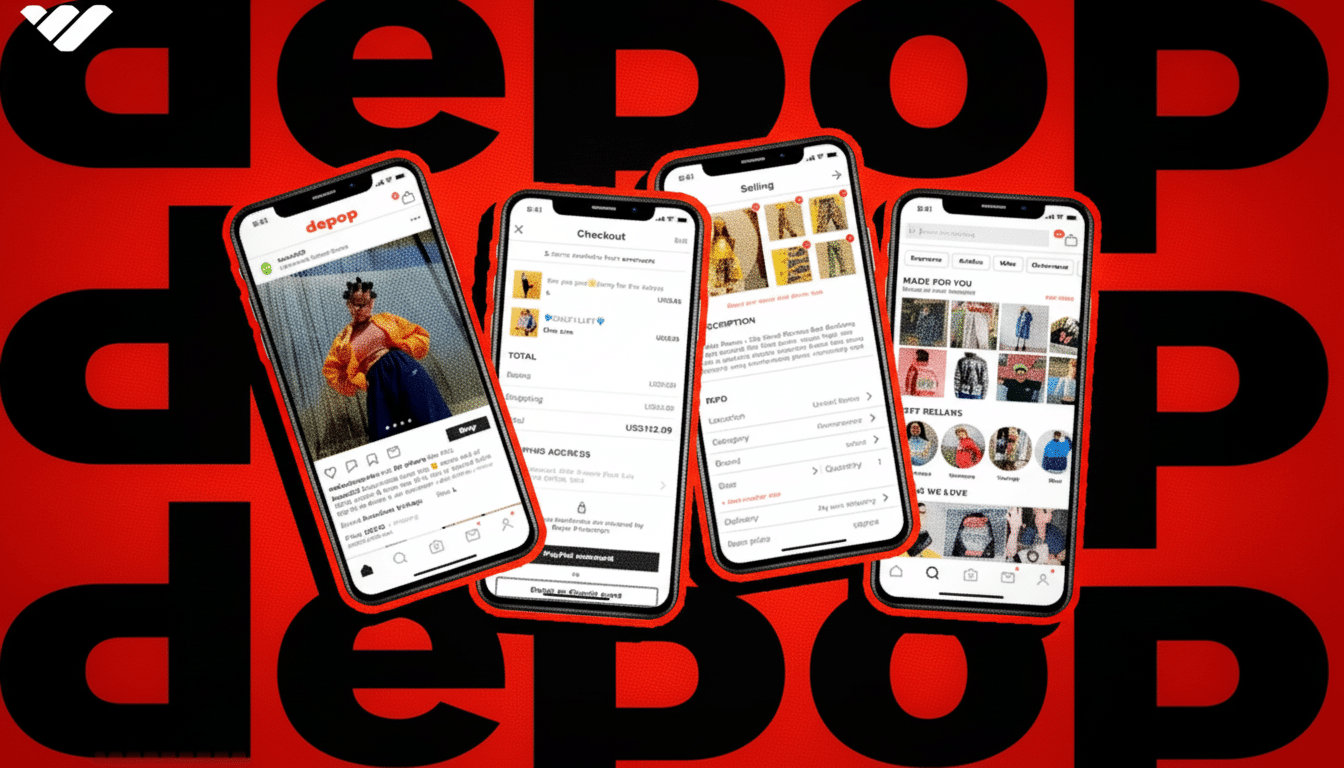
Importantly, Depop is not requiring creators to master a new app. The workflow works alongside listing tools, and exports are tailored for social sharing. That matters for acquisition costs: When sellers share collages to Pinterest or Instagram, they’re essentially behaving like top-of-funnel media for the Depop marketplace — content that’s organic and directly attributable to inventory in stock.
Context from the accelerating peer-to-peer resale race
Depop’s parent, Etsy (ETSY), last month reported strong momentum at the resale platform and said Depop’s gross merchandise sales in the first quarter rose 34.7% year over year on a currency-neutral basis and were approaching a $1 billion annual run rate. That makes Depop one of the faster-growing names in peer-to-peer fashion and is enough to put it on a par with rivals like Mercari, which had $728 million in quarterly GMV in a recent period.
Whereas rivals have tapped into recommendation feeds and AI-directed search refinement, Depop’s collaging angle sets taste-styling rather than solely discovery at its center. If Outfits takes off, it holds the potential to be a signature content format of the platform — part lookbook, part storefront — that doesn’t require an entirely separate creator program or complex video tooling.
What to watch next as Depop rolls out Outfits feature
Success will be predicated on a handful of measurable indicators: the number of Outfits made per day, how much they are shared off-platform, the rate at which they’re saved to collections and whether collaged listings have larger click-through and sell-through than the standard post. Expect Depop to iterate with seasonal templates, trend-driven prompts and maybe even collaborations with stylists or brands to seed high-quality examples.
For now, it’s an easy value prop: equip sellers and style-savvy users with the tools to create the type of moodboards they already love building — then ensure every piece featured in those boards can be purchased right away.
Outfits will be available to all Depop users starting today, and the feature’s real test is whether those Pinterest-ready collages will actually translate into carts and completed sales.
