


Dell has done an about-face and brought back the XPS as its flagship consumer laptop line, launching redesigned XPS 14 and the new XPS 16 models that are squarely aimed at premium buyers.
The move reinstates one of the most iconic names in Windows laptops, and it’s an indicator that Qualcomm wants to make a new run at high-end, AI-ready notebooks.
- Why Dell revived the XPS line for premium Windows buyers
- Core hardware and display options in the new XPS lineup
- New design refinements and improved everyday ergonomics
- Battery capacity, efficiency gains, and thermal design
- Repairability and serviceability take a meaningful step forward
- Pricing for XPS 14 and 16 and initial availability details
- What the XPS revival means for today’s premium laptops
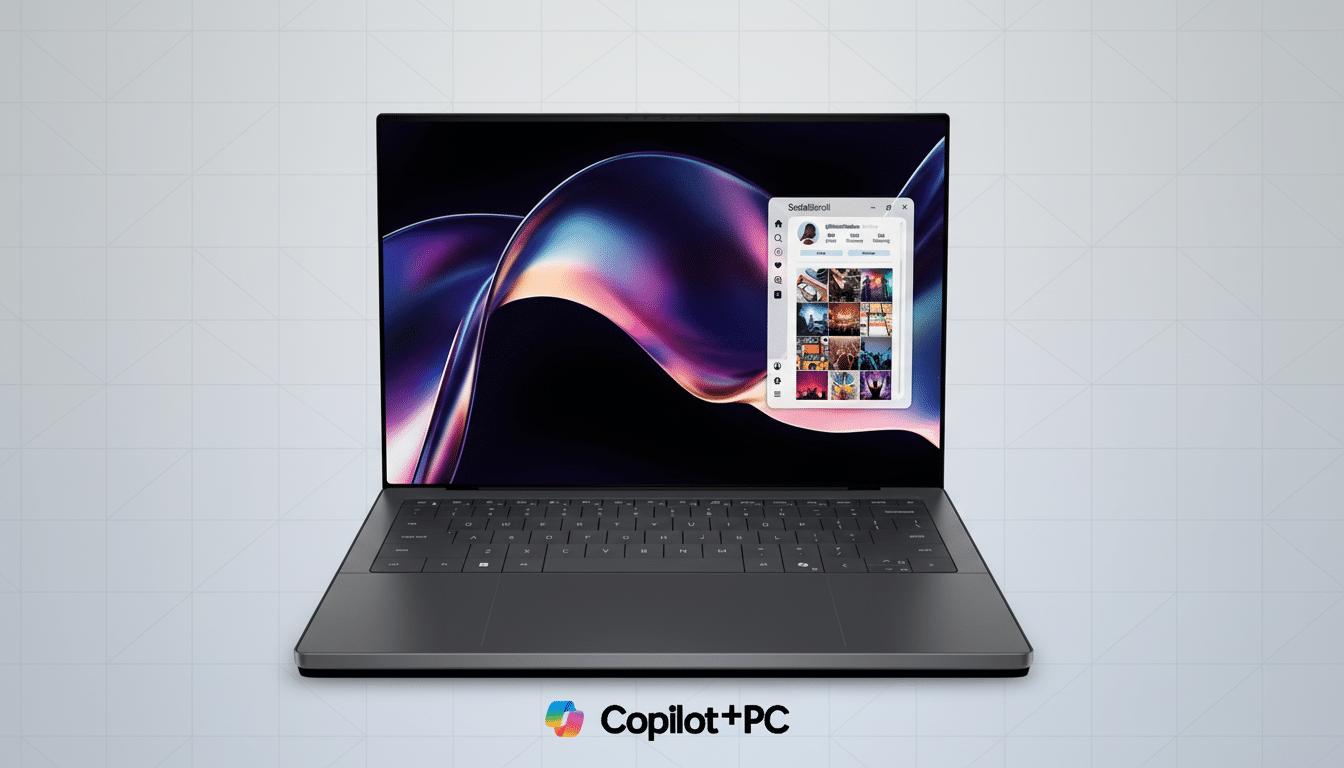
The company is not just reviving a brand name. These machines are a ground-up rethinking of XPS, with new silicon, materials, thermals and—crucially—a fanatical focus on serviceability addressing user complaints that have existed forever.
Why Dell revived the XPS line for premium Windows buyers
XPS has significant creator, developer and frequent traveler brand equity. IDC and Gartner report that premium notebooks are holding up better than lower-bill-of-materials categories as the PC market normalizes, and “AI PC” features are pushing demand towards newer platforms with NPUs and advanced media engines. Bringing back the XPS would give Dell a pretty clear flagship to battle MacBook Pro, HP Spectre and Lenovo Yoga Pro at the top end.
Also at issue was industry banter that there had been user pushback about design decisions in recent years. In reviving classic XPS characteristics such as precision build, practical ergonomics and performance headroom, Dell’s also sending a message: We get it.
Core hardware and display options in the new XPS lineup
Both models rise to the next-gen chips from Intel through its Core Ultra Series 3 silicon complemented with integrated Intel Arc graphics, tapping the latest CPU, GPU and NPU blocks for faster media processing and AI-assisted workflows with greater efficiency. Configurations can scale up to 64GB of LPDDR5x memory and as much as 4TB of solid-state storage, so power users have room to grow.
Display offerings address two camps: OLED for super deep contrast and color-critical work, as well as high-resolution LCD displays to maximize battery life. The XPS 14 comes with a 2.8K OLED panel and is also available in a 2K LCD option, while the XPS 16 goes up to a 3.2K OLED with the same 2K LCD alternative. Anticipate modern niceties such as wide color coverage and adaptive refresh linked to power profiles.
New design refinements and improved everyday ergonomics
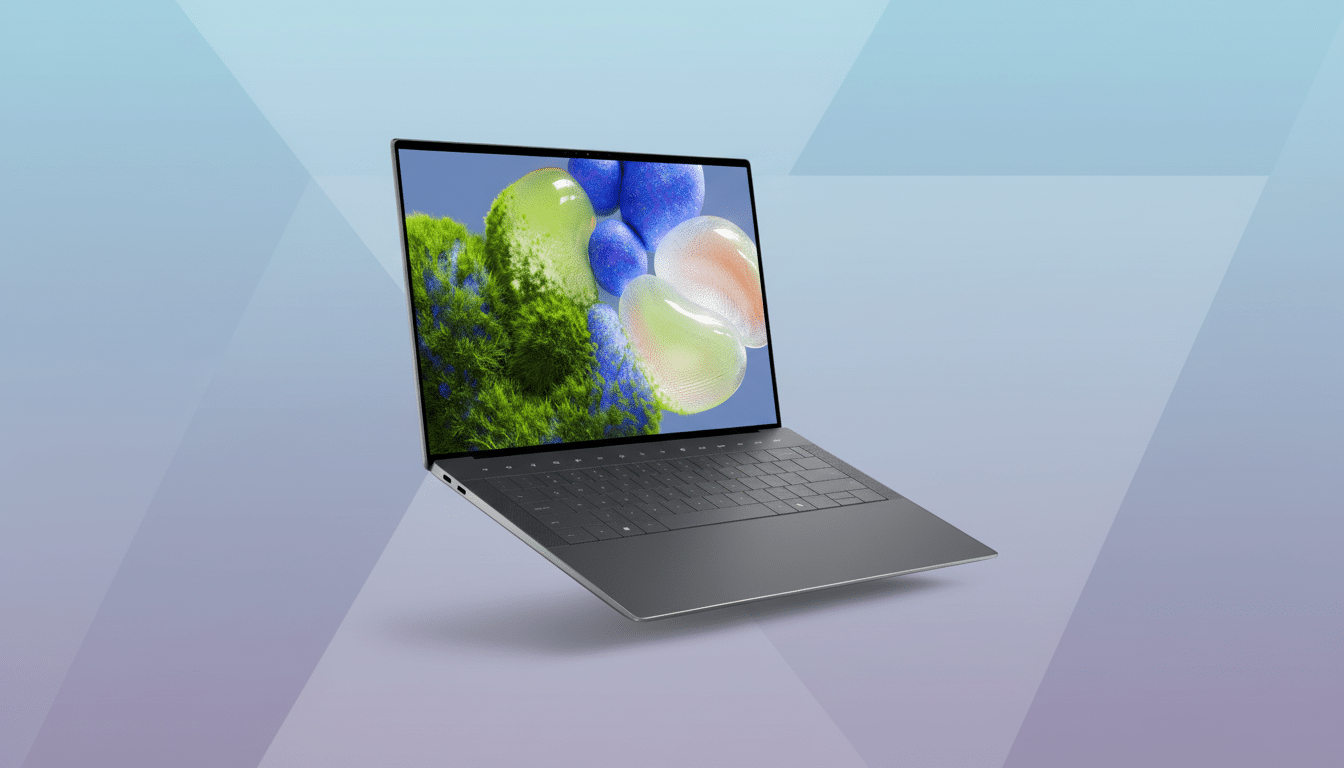
That unibody CNC aluminum chassis is back with integrated sidewalls to add stiffness, also with Gorilla Glass protecting the display. It’s a minimalist design that has one neat trick up its sleeve: there’s no longer an XPS logo on the lid, with Dell inscribing its name into the hinge to subtly reference the fact this laptop is part of a brand-new lineup.
Maybe the biggest news for usability is the restoration of a regular function key row. After flirting with capacitive control, XPS keyboards now focus on tactile feedback and greater travel – small touches that count over hours-long editing or coding.
Battery capacity, efficiency gains, and thermal design
Each new XPS comes with a 70Wh battery, and, despite that, Dell is claiming high-density cells to fit into slim frames without sacrificing runtime. Smart display refresh scaling and thermal polishing also boost battery life yet more, especially on the LCD editions that have the road warriors’ favor.
They are the thinnest XPS-y population to date though, so starting weights come in at a reasonable 1.36kg for the 14-inch and 1.65kg for the 16-inch models. That’s an intentional trade-off: Thin enough to pack and travel effortlessly, but thick enough to keep modern silicon cool under sustained load.
Repairability and serviceability take a meaningful step forward
Dell is increasing serviceability, a change of pace for a line that used to be criticized for sealed design. The new XPS machines come with conveniently removable keyboards, modular USB-C ports, and other replaceable parts to minimize downtime and e-waste.
This is in keeping with the larger right-to-repair movement, which includes advocates like iFixit, and an upswing in regulations among EU nations and a handful of US states.
If Dell could stand behind the hardware properly with parts, availability and proper documentation, XPS could set a good precedent for high-end Windows laptops.
Pricing for XPS 14 and 16 and initial availability details
The XPS 14 will start at $2,049 and the XPS 16 starts at $2,199.99 in initial configurations. Additional options will follow the first wave, including systems that cost less than $2,000. The refresh of the XPS 13 will serve as the more affordable starting point, but Dell is keeping timing close to its vest.
What the XPS revival means for today’s premium laptops
With XPS restored, Dell has a clear flagship to reference point its Windows lineup as AI offerings and capabilities begin to become table stakes. Core Ultra Series 3 silicon, OLED and high-efficiency display options, and a renewed focus on keyboard feel and repairability salvage the pain points that sent some power users toward other pastures.
If the execution equals the promise — competitive battery life, quiet thermals under load, reliable service pathways — then XPS is likely set to return to shortlists on par with Apple’s latest MacBooks and HP and Lenovo’s finest. This matters for buyers who care about top-quality materials and the long-term outlook as much as they do speed.
