


The Coros Apex 4 is aimed squarely at endurance athletes who measure efforts in days, not hours. Its calling card is battery life that holds up through multi-day races while keeping dual-frequency GPS, onboard maps, and safety-friendly navigation running without compromise. If you’re eyeing 100-mile ultras, alpine traverses, or bikepacking stage races, the Apex 4 is designed to stay on your wrist—and online—until the finish line.
Battery Life Built for Ultras and Multi-Day Races
Coros rates the Apex 4 for up to 65 hours in full GPS mode, which is long enough to cover marquee sufferfests such as a loop around Mont Blanc or multi-day adventure rides without scrambling for a power bank. That matters beyond convenience: many ultra events now require runners and riders to carry the route on their watches, and losing mapping mid-race can mean missed turns, time penalties, or worse. UTMB organizers, for example, explicitly recommend reliable GPS and on-device navigation for safety and compliance.
Battery life is also race strategy. Keep the watch on continuously and you preserve heart rate, pace, elevation, and sleep data across the entire effort—key signals for pacing and fueling. Coaches interviewed by outlets like iRunFar routinely highlight uninterrupted data as a competitive advantage in 24–48 hour efforts, where small pacing corrections can save hours by day two.
In context, the Apex 4’s endurance is competitive. Manufacturer-rated GPS runtimes for comparable multisport watches include roughly 37–57 hours on Garmin’s Fenix 7 Pro (depending on solar and GPS mode), about 40 hours on Polar’s Grit X Pro with options to stretch via power-save, and up to around 60 hours in high-accuracy modes on the Suunto Vertical. Garmin’s Enduro 2 still leads raw longevity in single-band tracking, but dual-frequency accuracy typically narrows the gap—and that’s where the Apex 4 leans in.
Features That Matter on the Mountain for Endurance Athletes
Accuracy comes from dual-frequency GNSS, which helps the watch maintain a strong lock under tree cover, along cliff faces, and in dense urban or alpine terrain. Coros pairs this with detailed maps and breadcrumb navigation, so you can load GPX routes and follow courses through remote sections without constantly checking a phone.
A built-in microphone and speaker support quick “voice pin” notes mid-run and enable basic hands-free calling when your phone is connected. That’s handy for dictating trail observations or reminders—think “refill at next stream” or “switch to poles at mile 40”—without stopping to type. Audible alerts for laps, pace changes, or critical cues also cut through fatigue when screen focus starts to slip.
Training tools cover the essentials: continuous optical heart rate, altitude and barometric data for vert tracking, and wrist-based SpO2 for high-elevation checks. Within the Coros training ecosystem, you’ll find load and recovery guidance, structured workouts, and long-term trends such as HRV and resting heart rate. Sports profiles extend to trail running, ski touring, alpine climbing, cycling disciplines, and more, with metrics that emphasize elevation gain, grade-adjusted pace, and technical terrain—features endurance coaches and reviewers like DC Rainmaker consistently prioritize.
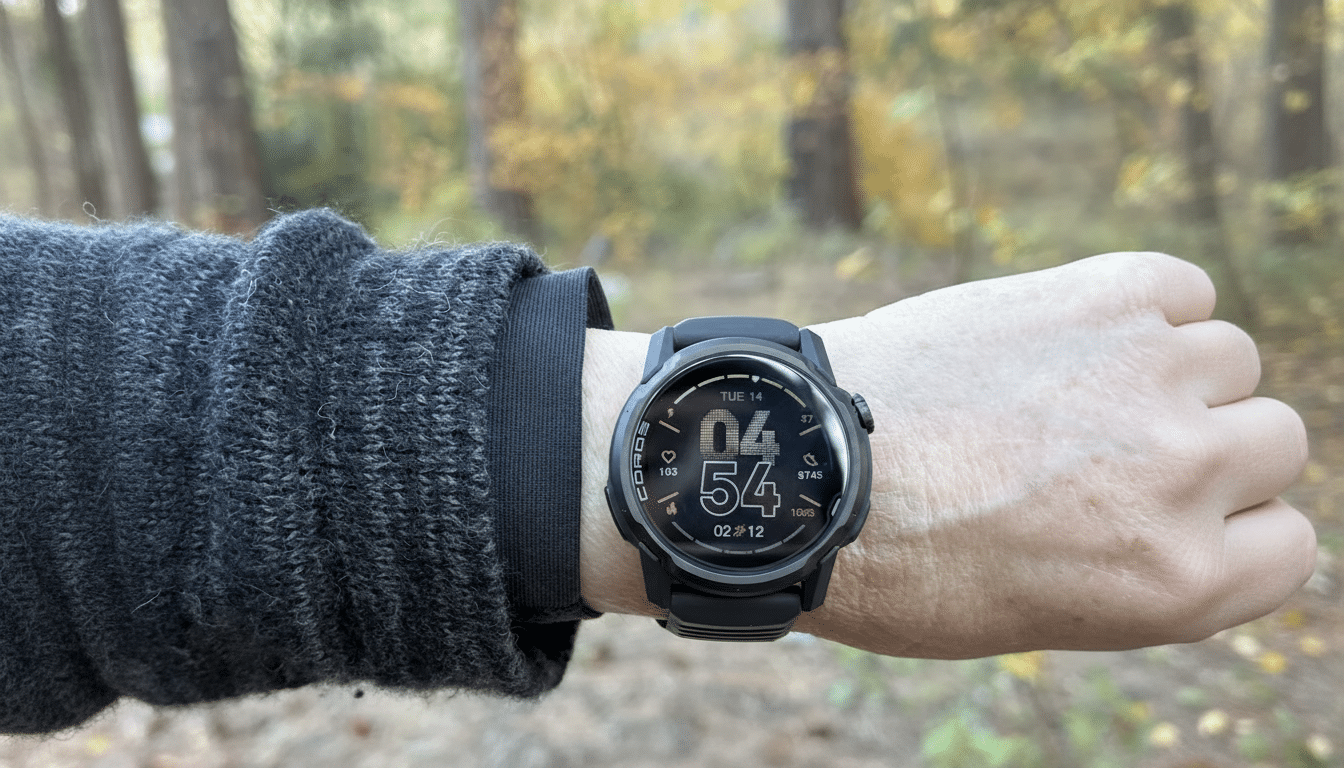
Durability reflects its use case. The Apex line is known for rugged materials and scratch resistance suited to rocky, wet environments, and the Apex 4 continues that ethos. For athletes who routinely bash gear against granite or bike stems, that resilience matters as much as the satellite lock.
Real-World Edge for Multi-Day Efforts and Races
In events where sleep is a luxury—think Tor des Géants, Cocodona 250, or bikepacking routes like the Colorado Trail—the Apex 4’s claim to run mapping and metrics through entire stages reduces logistical friction. No mid-race charging cables taped to your wrist. No pausing to toggle power modes and sacrifice track fidelity. As sports scientists often note in American College of Sports Medicine publications, consistent physiological monitoring helps flag early fatigue and dehydration, enabling timely adjustments before performance plummets.
Price and Where to Buy the Coros Apex 4 Today
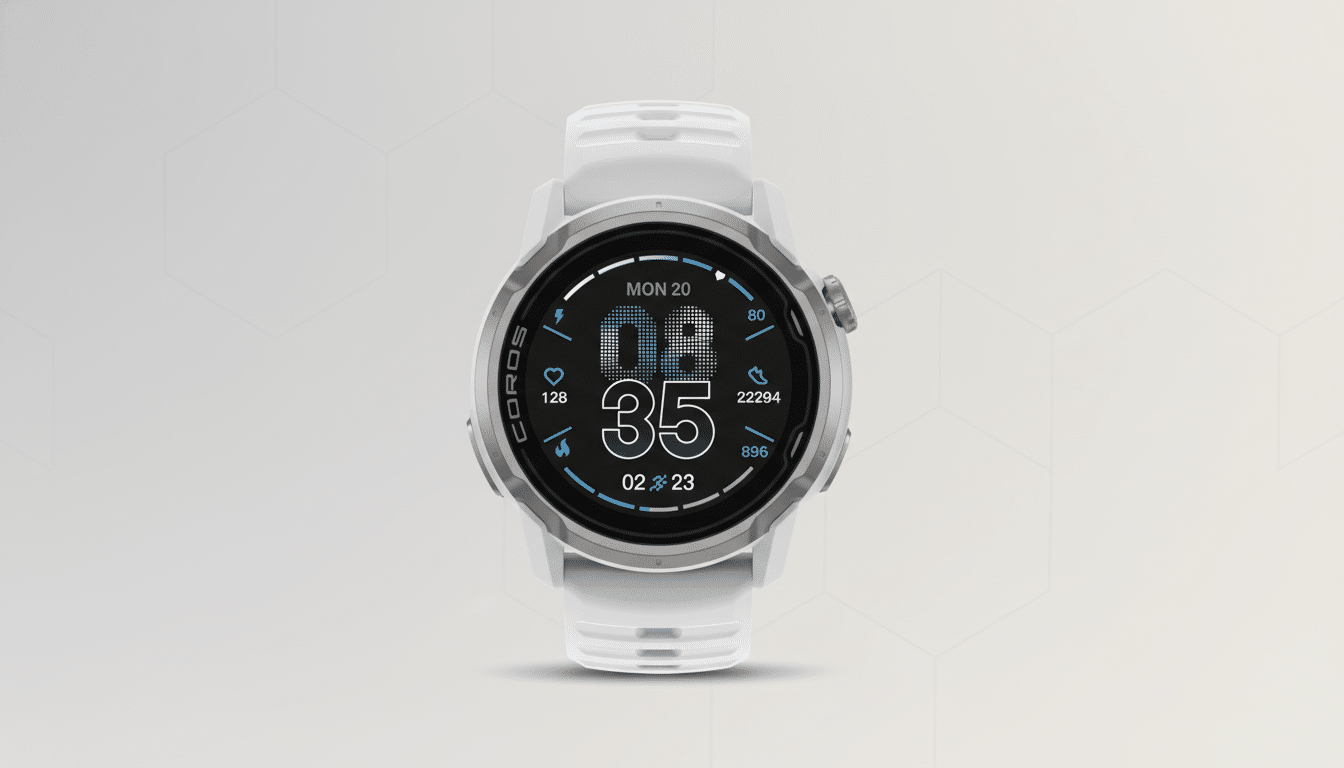
The Coros Apex 4 comes in two case sizes: 46mm at $479 and 42mm at $429. Color options include black and white. You can buy it directly from Coros, through major retailers such as Amazon, and at specialty outdoor and running shops including REI and Backcountry. If you’re shopping online, prefer authorized sellers to ensure warranty coverage and timely firmware support.
Expect silicone straps in the box and compatibility with quick-release bands if you want to swap to nylon for lighter weight on race day. If you’re between sizes, smaller wrists will appreciate the 42mm’s comfort for all-night wear, while the 46mm offers a bigger display that’s easier to read on technical descents.
Should You Choose the Apex 4 for Multi-Day Adventures
If your priority is multi-day battery life with reliable dual-frequency GPS and robust navigation, the Apex 4 hits the sweet spot. Runners targeting 100Ks and 100-milers, ski tourers charting big vert days, and bikepackers linking long stages will benefit most. If you value extras like full-blown smartwatch apps, LTE, or native music streaming over maximum runtime, a broader lifestyle watch may fit better. For everyone else serious about going long, the Apex 4 is a compelling, purpose-built tool that stays with you from the first checkpoint to the last.
