


The College Board is extending its test-day tech restrictions to include smart glasses, confirming that connected eyewear will be prohibited for SAT administrations beginning in 2026. The ban applies even to prescription smart glasses, meaning students who rely on augmented or connected frames will need non-smart alternatives on exam day.
Why Smart Glasses Are a Unique Threat to Exam Security
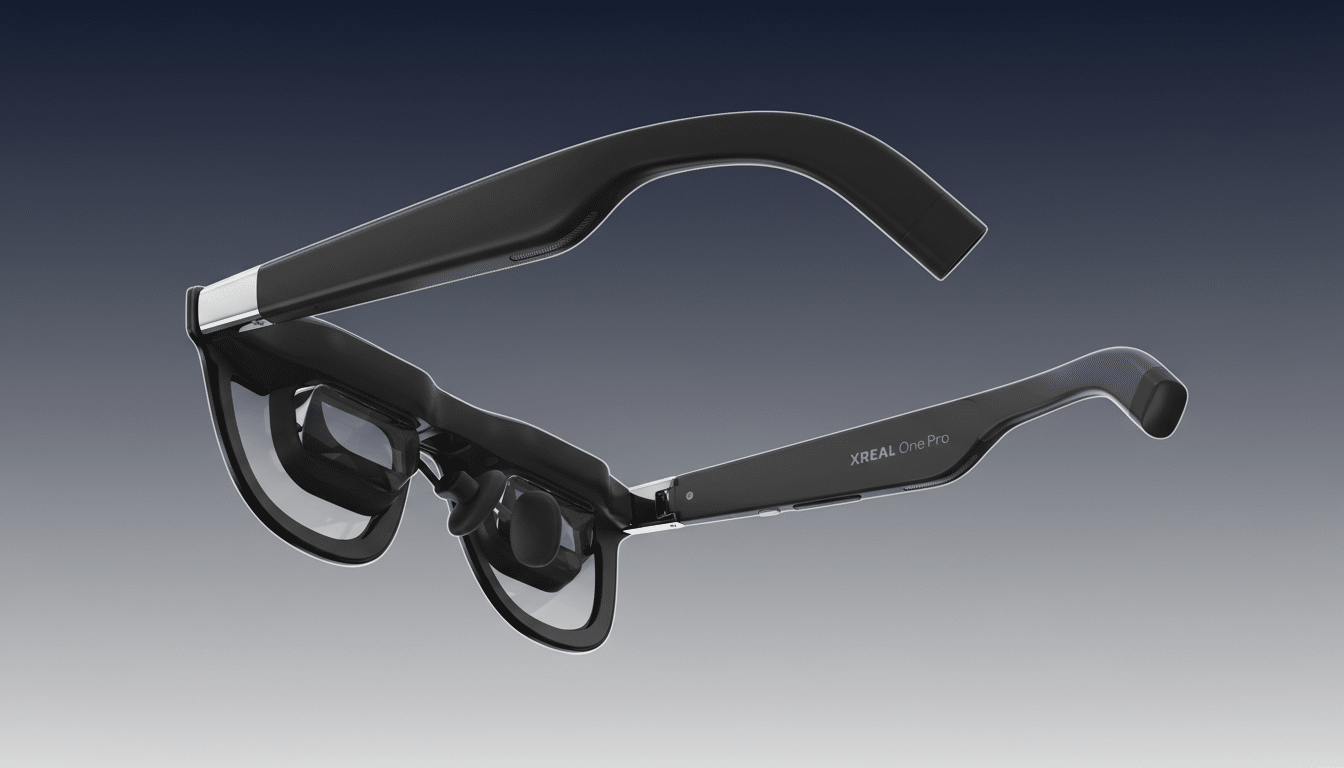
Smart glasses have quietly crossed a threshold from novelty to practical computing. Modern models blend into ordinary eyewear while adding microdisplays, cameras, microphones, and discreet speakers. AR-focused designs such as Xreal and Rokid project a virtual screen directly into the wearer’s field of view, while camera-centric models like Ray-Ban’s connected frames can capture and transmit video hands-free. That combination creates a perfect vector for stealthy, two-way information flow during high-stakes exams.
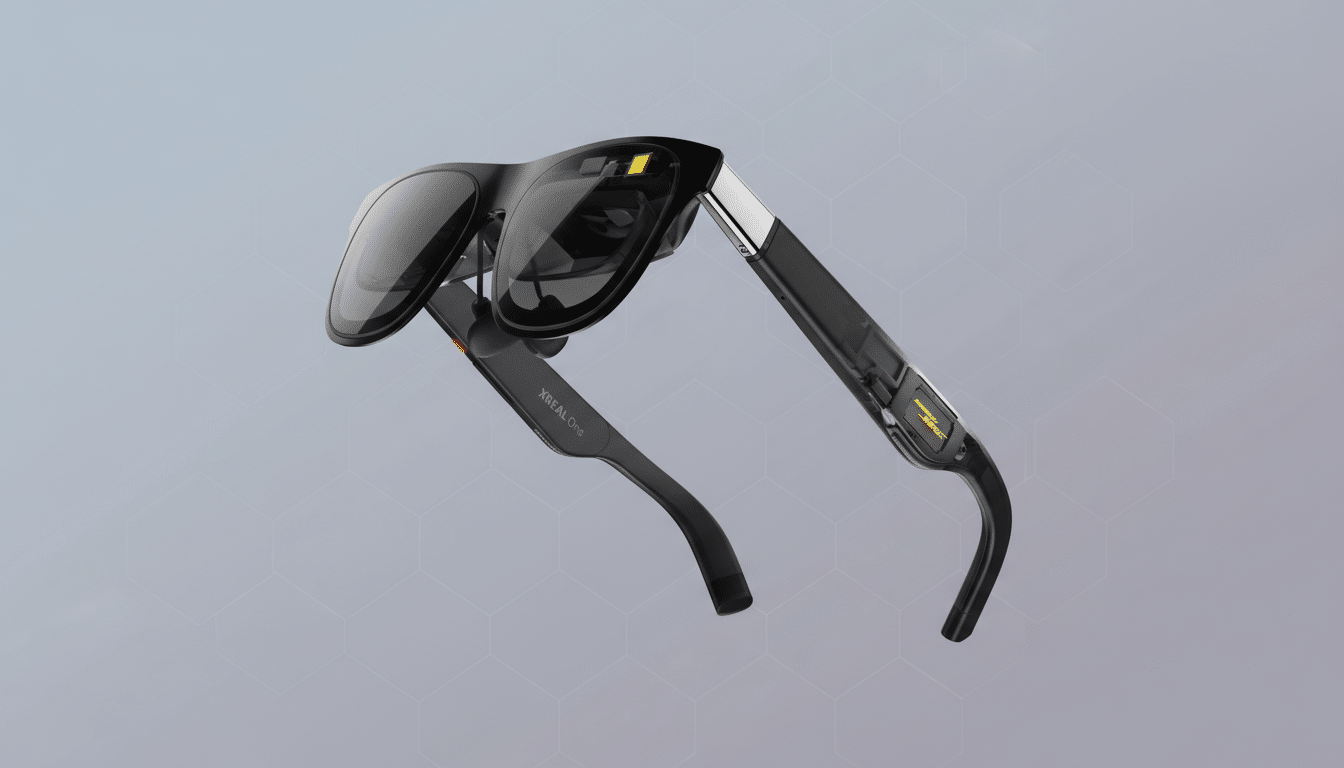
In testing environments, visibility and audibility are everything. A heads-up display can show formulas or definitions only the wearer sees. A hidden camera can relay questions to a confederate outside the room. Even audio-only “smart frames” can whisper answers via bone conduction or open-ear speakers that proctors may not easily detect. With waveguide optics, high-nit microdisplays, and voice assistants improving rapidly, the risk profile has escalated.
What the Policy Covers and When It Starts
The College Board already bans smartphones, smartwatches, fitness trackers, earbuds, and most connected devices in test rooms. The updated policy explicitly adds smart glasses to that list for the 2026 testing year. Crucially, “powered off” is not a loophole: hardware that contains cameras, microphones, displays, or radios is not allowed inside the exam room, regardless of settings. Students who use prescription smart eyewear for daily life will need to bring non-connected frames for the test.
The decision dovetails with the transition to the digital SAT, which now runs on the College Board’s locked-down Bluebook app at approved test centers. While the exam is delivered on computers or school-managed devices, external gadgets remain the primary integrity risk at the desk. Banning smart glasses brings the rules for eyes and ears in line with long-standing prohibitions on wrists and pockets.
Enforcement on Test Day: Checks and Proctor Guidance
Expect more explicit check-in reminders, signage, and visual inspections. Proctors already require students to store phones and wearables away from the desk and may perform spot checks if they suspect prohibited technology. For eyewear, that likely means a simple standard: if a frame contains electronics, it cannot enter the testing space. Schools can reduce friction by advising students in advance and offering a secure storage area for devices during the exam window.
Students with documented accommodations will still receive appropriate support, but accommodations do not override security rules for connected devices. If vision assistance is needed, non-connected prescription lenses or approved assistive tools that comply with exam security protocols should be arranged through the usual accommodations process well before test day.
The Bigger Picture of Exam Integrity and Technology
High-stakes testing has been in a years-long arms race with consumer tech. The College Board, ACT, and graduate testing organizations like ETS have steadily expanded bans from laptops and pagers to smartwatches and now smart glasses. Incidents from past years, including canceled administrations over leaked materials and coordinated proxy schemes, underscore that the threat is not hypothetical. As devices blend seamlessly into clothing and accessories, the line between everyday convenience and covert capability disappears.
Academic integrity researchers have long noted that technology access correlates with new cheating methods. While figures vary by study, surveys from groups such as the International Center for Academic Integrity consistently show that a sizable share of students report some form of academic dishonesty during their school careers. For test makers, that reality means building policies that anticipate—not just react to—the next wave of devices.
What Students Should Do Now to Prepare for SAT Rules
If you wear connected eyewear, plan ahead. Swap to non-smart prescription frames or contacts and test your setup in advance so there are no surprises at check-in. Leave all connected devices, including camera glasses and audio-enabled frames, at home or in a secure location.
For preparation, lean on permissible tools that mirror test conditions. The digital SAT includes a built-in graphing calculator and reference features within Bluebook, and official practice tests help students get comfortable without relying on external tech. The message is straightforward: success on test day should come from practice and familiarity with the format, not from covert gadgets.
The smart glasses ban is a pragmatic response to rapidly advancing consumer technology. By acting before these devices become ubiquitous in classrooms, the College Board is tightening a known security gap without changing the fundamental experience of the exam. Expect other testing bodies to follow suit, and expect the rules to keep evolving as wearables do.
