


Clawdbot, the open‑source AI assistant that recently caught fire among power users, has a new name. Its creator, Peter Steinberger, confirmed that the project will now be known as Moltbot after receiving what he described as polite trademark pressure from Anthropic, whose Claude models many users rely on to power the bot.
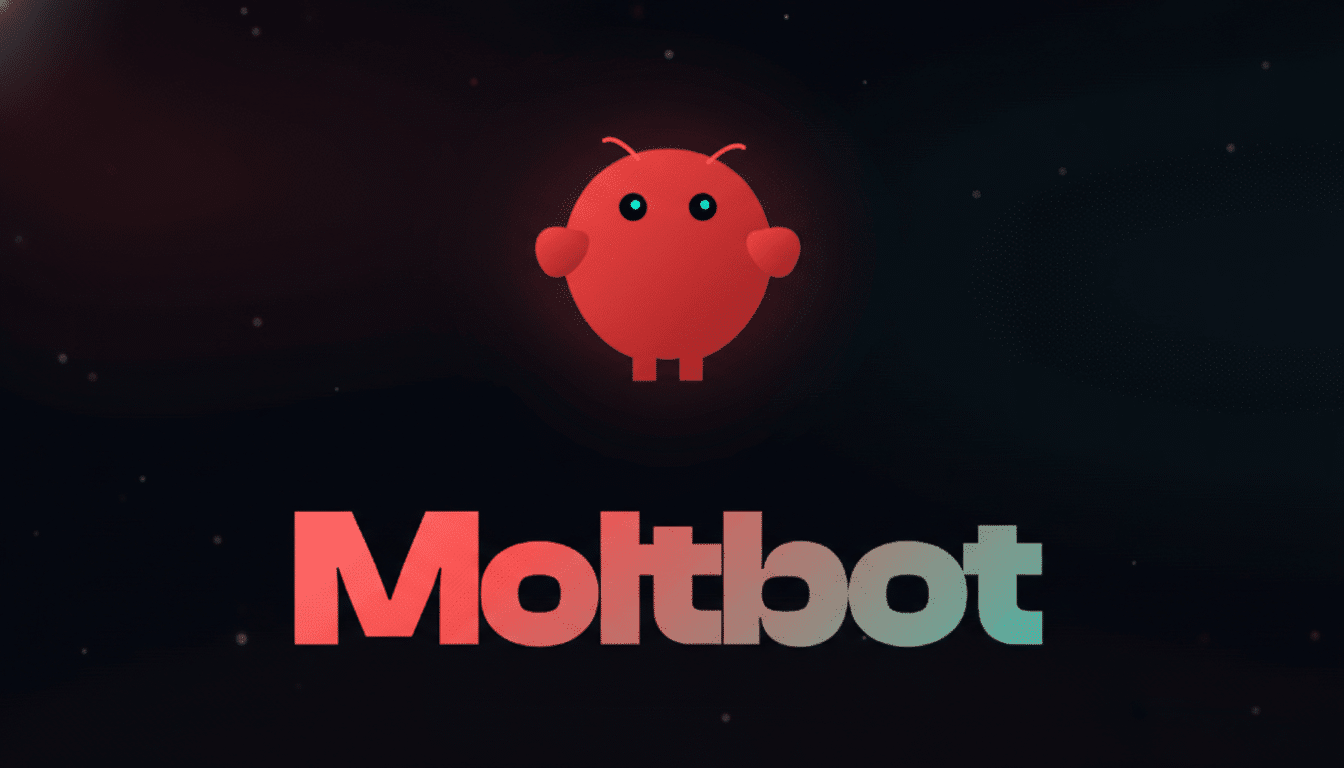
The rebrand extends beyond a fresh label. The GitHub repository has been updated to reflect the change, and the clawd.bot website is being transitioned to molt.bot. Even the playful “space lobster” mascot is evolving: Clawd is out, Molty is in—a tongue‑in‑cheek nod to a lobster’s periodic molting.
Why the Name Had to Change Under Trademark Rules
The reason, while unglamorous, is standard trademark practice. U.S. trademark guidance emphasizes the likelihood‑of‑confusion test—how similar a name looks, sounds, and is used in commerce. “Clawd” sits a phonetic whisker away from “Claude,” and the association is heightened by the fact that the tool routinely runs on Anthropic’s Claude models. That combination creates classic confusion risk, which brands are expected to police to avoid dilution.
Open‑source status doesn’t exempt a project from those rules. The U.S. Patent and Trademark Office and organizations such as the International Trademark Association consistently advise rights holders to enforce their marks, even when third‑party use appears friendly. In practice, that often means collaborative emails and quiet renames like this one rather than courtroom battles.
If this feels familiar, that’s because it is. The WordPress Foundation, for example, restricts using “WordPress” in domain names, steering developers to the “WP” abbreviation instead. The Python Software Foundation and the Cloud Native Computing Foundation maintain similar guidelines for use of their marks. Moltbot is following a well‑trod path.
What Changes for Users After the Moltbot Rebrand
Functionally, very little should shift for day‑to‑day users. The codebase and workflows remain, with branding, docs, and package names updated to reflect the Moltbot identity. The project’s public materials signal continuity: new shell, same bot.
The migration work is mostly operational—repository renames, asset swaps, and copy edits—rather than architectural upheaval. Expect readme references to “clawd” to be replaced with “molt,” new logo files, and redirects as the website transition completes. For developers embedding the assistant, the biggest immediate task is staying aligned with the updated namespaces and documentation.
The broader lesson is strategic: if your tool integrates a proprietary model or API, avoid names that echo the provider’s trademarks. It reduces legal friction and future‑proofs your brand identity when your project scales faster than anticipated.

Branding Lessons For Open‑Source Builders
This episode highlights how fast a viral repository can collide with trademark reality. GitHub’s developer community has surpassed 100 million members, and open‑source AI projects routinely gain traction in days, not months. A name that starts as an inside joke can quickly become a liability when thousands of users pile in.
Due diligence doesn’t have to be heavyweight. Before locking a brand, run a basic trademark search, check foundation guidelines for any upstream technologies you reference, and test for phonetic and visual similarity. Descriptive names (what the tool does) and suggestive names (metaphors or imagery) are generally safer than riffs on a vendor’s mark. When in doubt, organizations like INTA provide clear primers on permissible use.
There’s also a product benefit: distinctive names are easier to remember, easier to search for, and less likely to be throttled by platform policies. If your project aspires to an ecosystem—plugins, forks, community contributions—unique branding compounds over time.
Mascots, Aesthetics, And Avoiding Lookalikes
Moltbot keeps the lobster motif, which is a clever way to preserve community lore while drawing a bright legal line. It’s worth noting that character design can raise separate issues. Some observers have already pointed out that certain robot‑like mascots across tech can converge on similar silhouettes. Teams should run a quick visual distinctiveness check—style guides, comparison boards, and an external design review go a long way toward avoiding accidental echoes of established icons.
The bigger picture remains clear: this is a brand tune‑up, not a product reset. The assistant that drew attention for its speed, openness, and Claude integration is intact, only dressed in a new shell. If anything, the rebrand signals that the project is graduating from clever side‑project to durable, legally clean identity.
In short, Clawdbot didn’t disappear—it molted. And for a fast‑growing open‑source assistant living alongside major AI providers, that evolution was not just obvious; it was inevitable.
