


OpenAI is transforming ChatGPT into a platform. The company has opened up submissions for third-party apps built for its chatbot and unveiled an in-product app directory — the marketplace many are already calling an app store. With a beta Apps SDK, a proper review pipeline, and a location inside Chat to find integrations, it is now clear to developers that they’re open for business.
The change follows previous partner integrations with companies such as Expedia, Spotify, Zillow, and Canva, but opens the door to any eligible builder. Apps will let conversations continue with new context and can prompt real-world actions — such as ordering groceries while chatting, turning an outline into a presentation, or searching listings from inside the thread, says OpenAI.
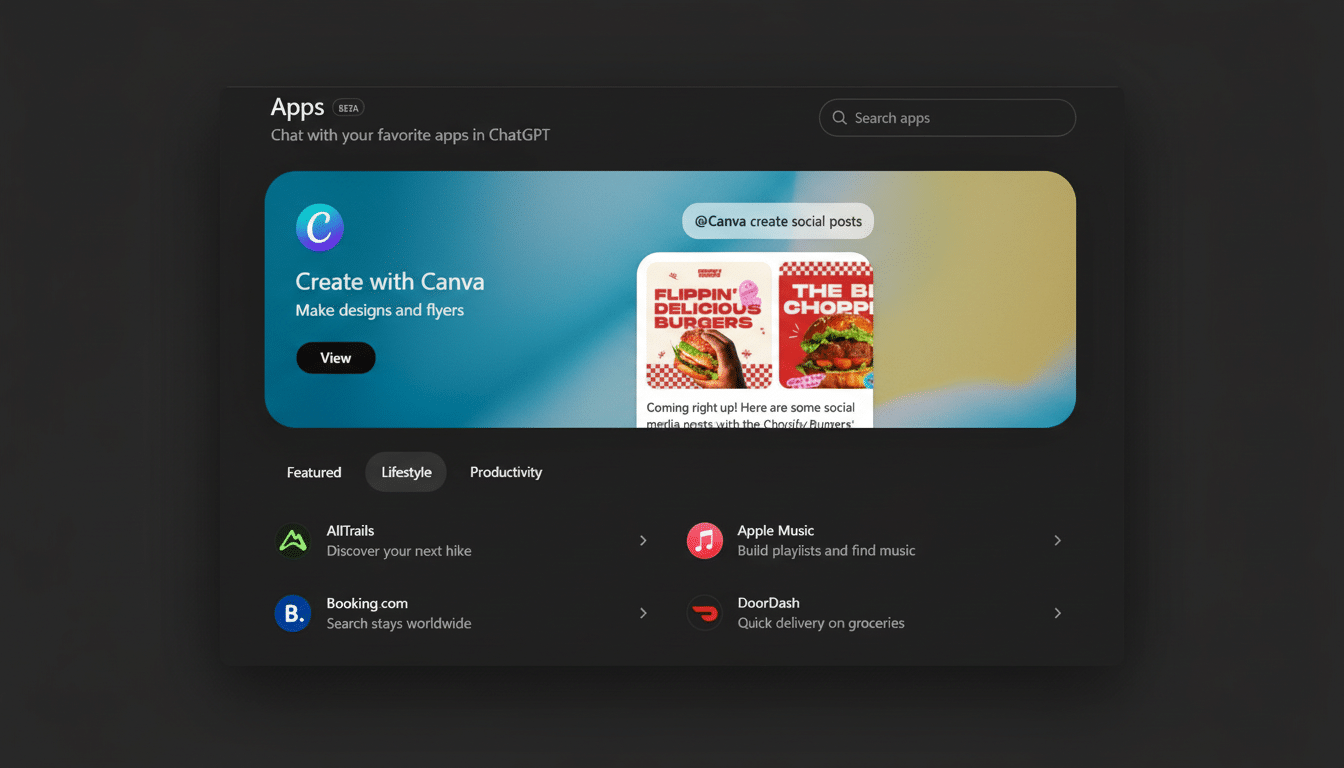
Why This App Store Is Significant for ChatGPT Users
Chat interfaces succeed when they are compression algorithms. An app store within ChatGPT cuts down on the swivel-chair work between tabs and tools, allowing users to ask, decide, and do all within one conversational flow. That can condense time-to-task completion and make the assistant more of an operating system for everyday work.
Strategically, a strong app ecosystem also leads to stickiness. The wider the portfolio of trusted tools — travel, productivity, shopping, research — the more reasons users have to kickstart their workflows in ChatGPT and stay there. For OpenAI, that compounding utility is also what builds platform resilience.
Building and Submitting Apps for ChatGPT’s New Store
Developers can prototype with the Apps SDK, which is currently in beta, an API that allows developers to specify capabilities and permissions and how their services should interact with conversation context. When they are ready, they submit via the OpenAI Developer platform, from which they can track review state and compliance checks before posting to the directory.
OpenAI has signaled that it prioritizes various policies on safety, reliable calls, and clear data handling. Expect requirements similar to those in mature markets: clear permissions, not much data collection, and predictable outcomes of actions initiated in the chat. While how OpenAI plans to monetize (or even revenue share) isn’t disclosed, we expect discovery mechanics and ratings/curation will be key to quality control and driving developer return on investment.
Lessons From Other App Ecosystems and Marketplaces
History in tech has shown that distribution makes or breaks developer platforms. Apple and Google represent the scale upside: Statista lists just under 2 million apps in the App Store and more than 3 million in Google Play. Salesforce’s AppExchange tallies thousands of enterprise apps, and Shopify’s App Store offers more than 8,000 commerce extensions. Trust, discovery, and monetization are the three flywheels that power these marketplaces.
A chat-based app store comes with its own quirks. Intent is conveyed in natural language, not search boxes, meaning ranking signals can consider real-time context alongside traditional quality requirements. Done well, that can channel niche but relevant apps to the top exactly when a user wants them — something static stores lack.
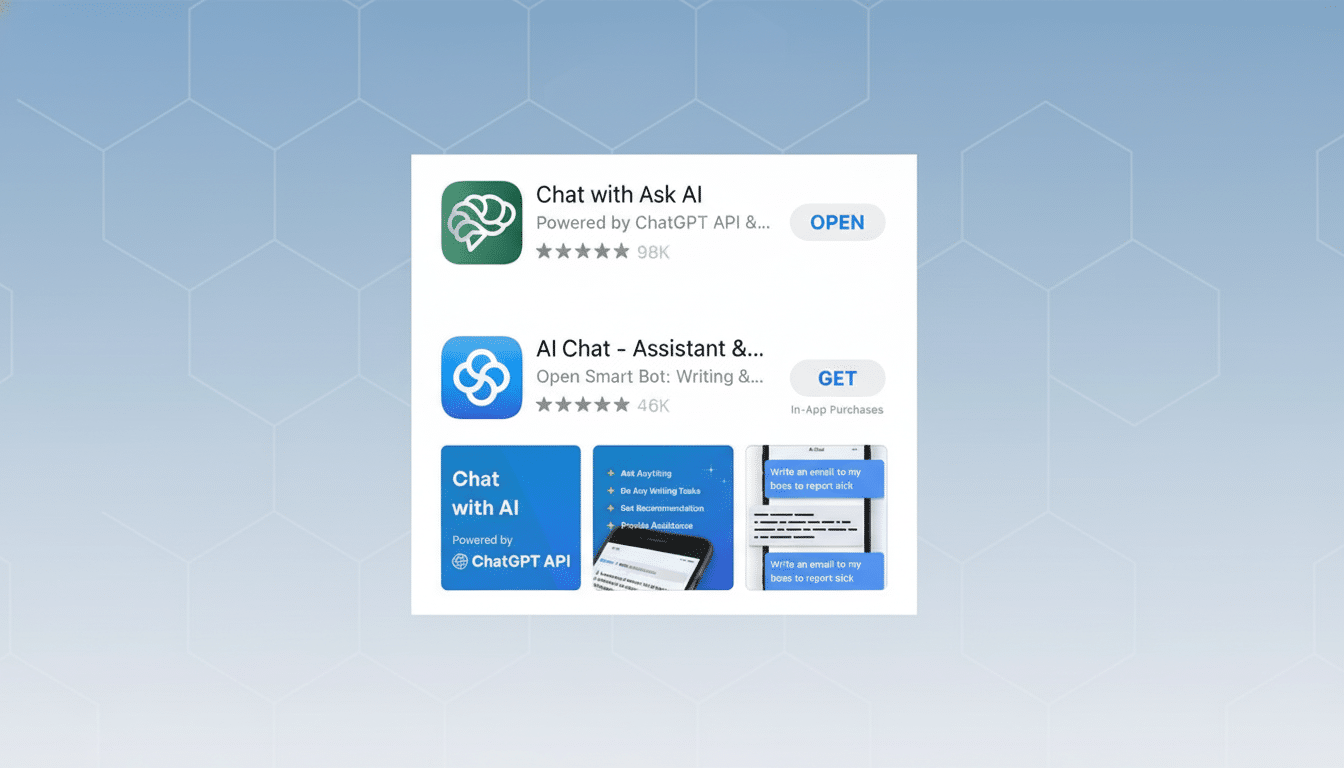
Trust, Safety, and Control Over Data in Apps
Enterprises will inspect how apps can access data within a chat. Clear consent forms, as thin a scope of permissions as possible, and auditable logs are table stakes. Developers can expect security and privacy reviews that are at least similar to what’s typical in established marketplaces — consider data retention, third-party API calls, and so on, with some failure modes (of action-triggering apps).
Independent oversight constructs like the NIST AI Risk Management Framework and common certifications such as ISO 27001 and SOC 2 provide guidelines — especially for apps in regulated industries. Should OpenAI couple strong review with granular enterprise controls, it can unlock high-value categories that depend on governance for adoption, such as finance, health, and legal.
Early Use Cases and the Competitive Picture
Expect early traction in travel planning, sales outreach, document automation, and research assistants that mix search and tell. The Expedia, Spotify, Zillow, and Canva integrations illustrate how consumer and prosumer services can tap into users at the instant of intent.
The larger landscape is responding in kind. Microsoft has been pitching a plugin model for Copilot around Office and Azure, and Google’s Gemini supports extensions that bring in live data and take actions. What might make or break ChatGPT are the number of high-quality apps surfaced for conversational tasks — and whether developers find they can get users and keep them more quickly than other adjacent ecosystems.
What To Watch Next for Developers and End Users
Three questions will steer the trajectory:
- Discovery: How are apps ranked within a conversation, and can developers grasp the signals?
- Quality: What kinds of guardrails and checks verify that action apps do what they say they will, every time?
- Economics: How do billing, subscriptions, and payouts work for both consumer and enterprise buyers?
If OpenAI delivers on trust and distribution, however, the ChatGPT app store could become the default launchpad for AI-native software. For developers, the math is simple: build where user intent is born. For end users, the litmus test is even simpler: ask more, do more, and get more with fewer steps than ever.
