


Apple is exploring a move that could bring generative AI assistants like OpenAI’s ChatGPT and Google Gemini directly into CarPlay, according to reporting from Bloomberg. If finalized, the change would let drivers access third‑party AI apps within the familiar CarPlay interface instead of juggling phones or awkward workarounds—though Siri would remain the default voice control and the dedicated steering‑wheel button would still summon Apple’s assistant.
How AI Could Change the CarPlay Experience
Today, CarPlay handles staples like navigation, calls, messages, and music. Adding third‑party AI would open up richer, conversational help while keeping eyes on the road. Think trip planning on the fly, curated restaurant picks that accommodate dietary needs, quick translation in unfamiliar neighborhoods, or summarizing long emails into a sentence you can act on at the next stoplight.
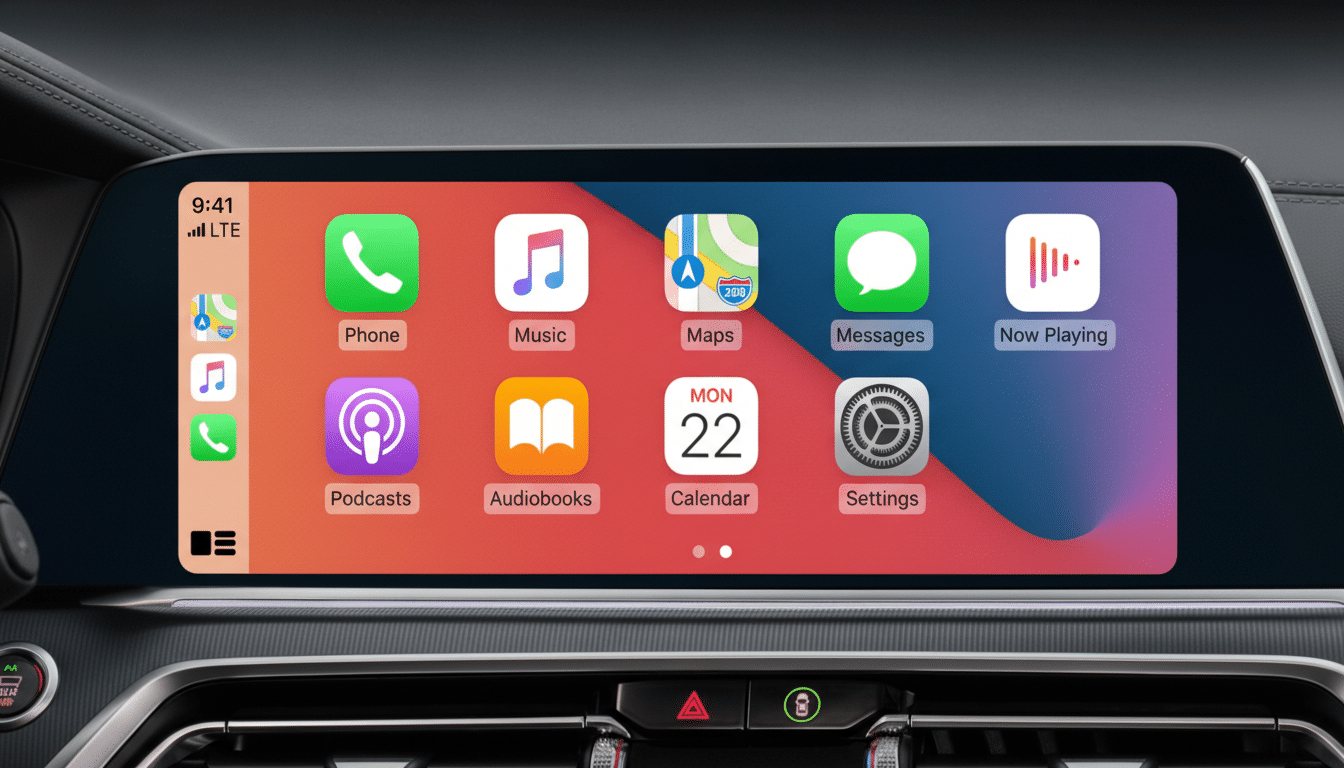
There are caveats. Bloomberg’s Mark Gurman reports Apple won’t let users remap the Siri button or change the wake phrase, so invoking other AI apps would require opening them from the CarPlay launcher. That keeps Apple’s safety model intact: one assistant for core controls, others as deliberate choices. Expect voice‑first interactions and pared‑back interfaces, in line with Apple’s CarPlay design rules that limit on‑screen complexity while driving.
Why Apple Is Moving Now on CarPlay AI Support
Apple has been weaving generative features across its ecosystem and has publicly discussed working with external models in addition to its own. Bringing that optionality to the car fits a broader strategy: let users pick the right model for the job—Gemini for live search‑like queries, ChatGPT for creative drafting, or Claude for longer summaries—without abandoning the safety scaffolding CarPlay already provides.
It’s also pragmatic platform defense. CarPlay is a powerful purchase driver. Apple has said in public presentations that 79% of U.S. car buyers would only consider a vehicle that supports CarPlay. Keeping CarPlay indispensable as AI assistants proliferate helps Apple maintain its influence on the dashboard, even as automakers invest in native infotainment.
Automakers Weigh In as CarPlay Evolves and Expands
CarPlay’s next chapter extends beyond apps. Bloomberg reports CarPlay Ultra—a deeper integration that lets the interface control functions like climate and vehicle settings—has landed in select Aston Martin models and is slated for at least one Kia or Hyundai model. That thread hints at a future where CarPlay is not just a projection layer but a more capable vehicle UI, still gated by automaker permissions.
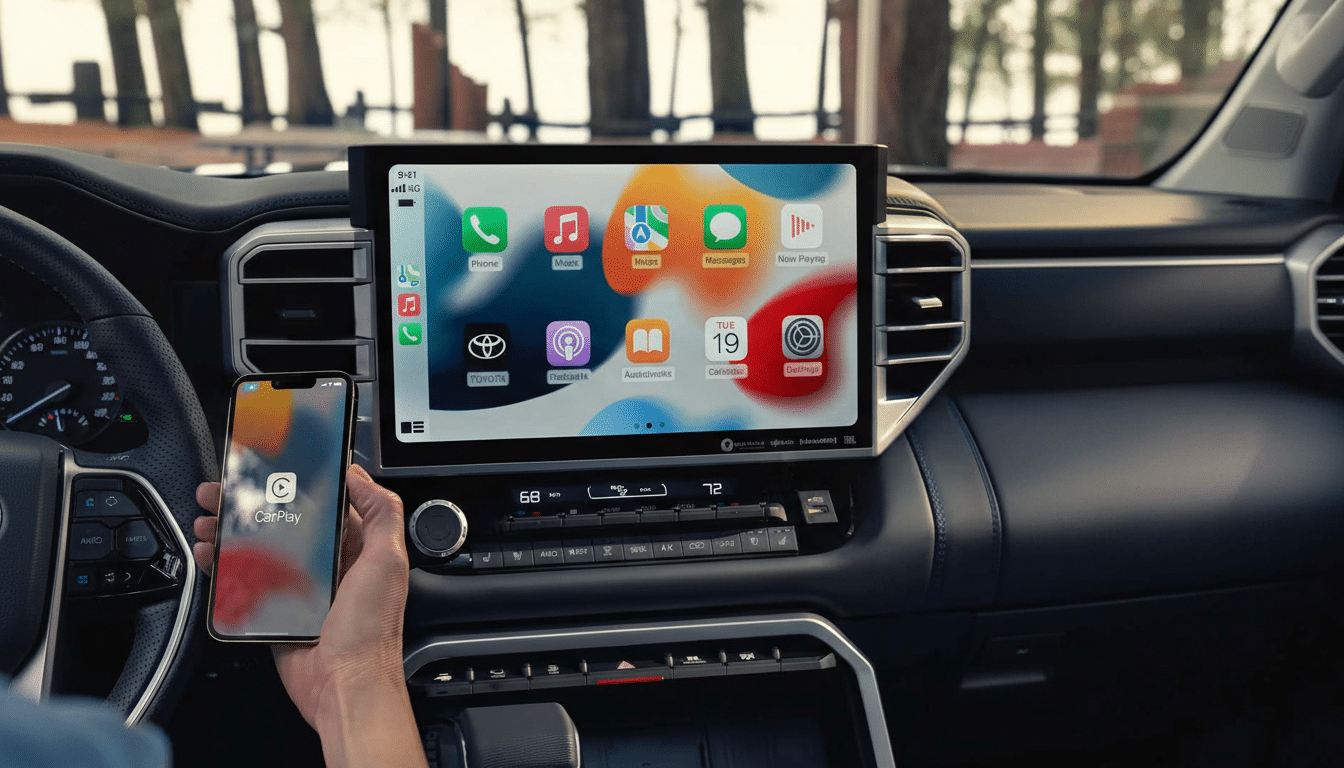
The automaker stance is far from uniform. Tesla has famously skipped CarPlay, though recent reporting indicates it’s evaluating support. Others are pushing in the opposite direction: General Motors has outlined EVs that omit CarPlay to favor in‑house software, while Rivian’s CEO has championed building its own interface end‑to‑end. The arrival of third‑party AI inside CarPlay only sharpens those strategic choices.
Safety and Privacy Will Be the Deciders for CarPlay AI
Generative AI in the car must clear two hurdles: distraction and data. Safety researchers, including the AAA Foundation for Traffic Safety, have shown that complex infotainment tasks can meaningfully increase cognitive load; separate guidance from NHTSA underscores that extended glances over 2 seconds raise crash risk. Any AI app inside CarPlay will need to prioritize short, hands‑free exchanges and defer detailed interactions until the vehicle is parked.
On privacy, Apple’s model has historically kept Siri requests and in‑car data tightly controlled. Third‑party AI will introduce new data flows—voice snippets and prompts may be processed by external providers—so expect Apple to require explicit permissions, clear disclosure of retention policies, and adherence to CarPlay’s stringent review guidelines. Enterprise‑grade features like on‑device redaction or account‑level controls could be differentiators for developers targeting business travelers.
What to Watch Next as Apple Tests AI in CarPlay
Signs to monitor include developer documentation that expands CarPlay’s voice APIs, early beta builds that expose app categories like “AI Assistants,” and automaker announcements that pair CarPlay Ultra with model‑year updates. If Apple moves forward, expect a curated starting lineup—likely ChatGPT, Google Gemini, and a small set of vetted contenders such as Anthropic’s Claude—before broader categories open.
The bottom line: Siri will stay at the wheel, but your choice of copilot may soon be up to you. If Apple executes this with the right safety and privacy guardrails, CarPlay could become the most useful place to talk to AI—precisely because it limits what you can do while you drive.
