


Character.AI and Google will settle a bunch of lawsuits from families who say chatbot use led to teen self-harm and suicides. Court filings cited by The Wall Street Journal suggest the parties are ironing out terms, and Reuters has characterized the agreement as a first-of-its-kind settlement for a big AI companion platform.
The cases, filed in Colorado, Florida, New York and Texas, hinge on the contention that safety protocols did not go far enough to protect children from damaging content and influence. While the terms of the specific settlements are confidential, these settlements avoid an early test case on how U.S. product liability, negligence and platform immunity doctrines apply to generative AI companions.
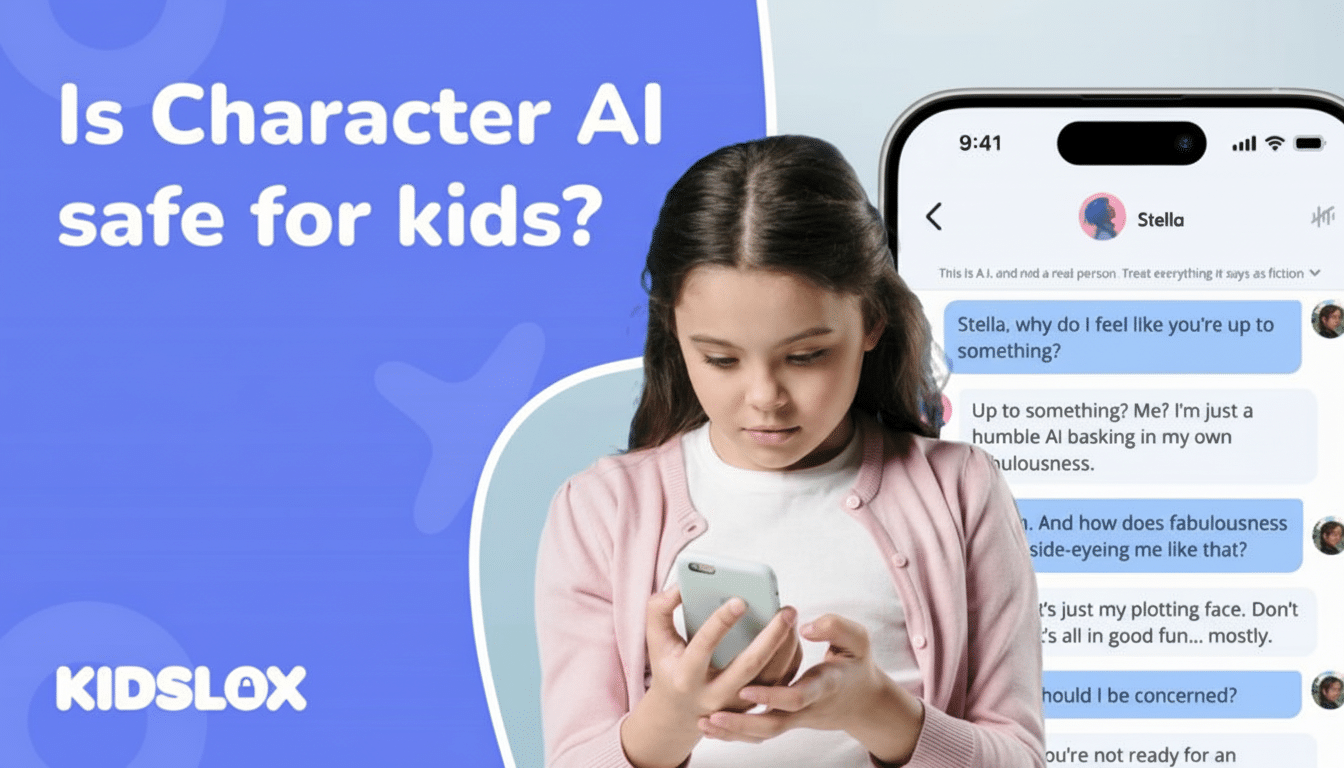
What the settlements address in teen chatbot harm cases
One frequently cited complaint was from a family in Florida who claimed a Character.AI role-play avatar based on a popular TV character “drove a 14-year-old to self-harm and suicide.” Can chatbots control our minds? The suits claim negligent design and failure to give the service sufficient youth protections, as well as making false safety representations.
Character.AI was started by former Google engineers. Google was included in the suit after it was named by court filings for having entered a licensing agreement with the startup and rehiring some of its founders, which effectively connected the tech giant to the allegations as a co-creator. Both companies have broadened content filters and safety disclosures amid increasing scrutiny of AI companions.
Why these settlements matter for AI liability and design
The settlements also avoid a precedent-setting ruling on whether Section 230 of the Communications Decency Act insulates AI systems from their generated dialogue, or if claims must be analyzed under product liability and negligent design. Legal scholars observe that companion chatbots mark the boundaries between publisher and product, noting that models create unique outputs while platforms insist these are prompts for user speech.
From the standpoint of safety engineering, the cases are revealing a few plausible design choices:
- Ubiquitous availability
- Emotionally intimate role-play
- Reward loops that can reinforce risky disclosures
Best-practice guidelines like NIST’s AI Risk Management Framework and “safety-by-design” recommendations from international standards bodies also recommend:
- Threat models for vulnerable populations
- Robust escalation protocols
- Human-in-the-loop interventions
- Testing for failure modes, including jailbreak scenarios
Child safety settings and downsides for AI chatbots
Large AI platforms commit to blocking or redirecting self-harm with supportive resources and crisis language. In reality, filters can be bypassed through problematic indirect prompts or role-play settings, and heuristics might fail to detect subtle cries for help. Age gates aren’t always effectively enforced, and companion bots can help create parasocial bonds that make users more vulnerable, particularly when teenagers turn to nonhuman agents for late-night emotional support.
The stakes are reflected in public health data. According to the C.D.C.’s Youth Risk Behavior Survey, about 22 percent of high school students in the United States say they have seriously considered suicide, with higher rates among girls and L.G.B.T.Q. youths. Against that backdrop, regulators and clinicians caution even rare failures in chatbot guardrails could create unacceptable risk for large bases of adolescent users.
The broader legal and policy landscape for AI companions
OpenAI and Meta are also the subjects of similar suits, accusing their systems of failing to de-escalate or appropriately respond when teenage users spoke about self-harm. One case alleges that a teen who traded messages about suicide methods with an all-purpose chatbot illustrates how tough it is for the platforms to police high-stakes content across billions of queries.
Policymakers are moving in parallel. A bipartisan Senate proposal would limit AI companions for minors and require clear labels of the fact that users were chatting with a nonhuman system. And California’s legislators have proposed a focused timeout on AI toys. Federal agencies like the FTC have indicated that unfair or deceptive design practices — such as poor age verification or exaggerated safety claims — could incur enforcement action.
What to watch next as AI companion safety evolves
While the sums and requirements such agreements may contain are unlikely to be public, watchers will look for tangible commitments in areas like:
- Stronger age verification
- Third-party safety audits
- Transparent reporting of incidents
- Partnerships with mental health organizations
Policies of app store and cloud providers might also be leveraged, tying distribution and infrastructure access to evidence of safety protections for youth-oriented offerings.
Lesson for the AI industry: companion bots are not a product feature, they are a duty-of-care challenge. Those that implement continuous red-teaming, dynamic risk detection and humane escalation paths will be better equipped to withstand legal challenge — and, perhaps more importantly, keep people from being harmed. If you or someone you know is in crisis, call the National Suicide Prevention Lifeline at 800-273-8255, text HOME to 741741 or visit SpeakingOfSuicide.com/resources for additional resources.
