


CES comes back to Las Vegas huge, in a way that only the Consumer Technology Association can deliver: more than 130,000 makers and analysts of things and doers from every home location around the world come together with over 4,000 companies at recent shows.
The 2026 show will, I suspect, be rife with AI PCs, next‑gen chips, eye-popping displays, XR headsets, smarter homes and an increasing slate of automotive tech — and lots of prototypes sure to spark controversy about where the industry is going.
- AI PCs Have Their Day with Faster NPUs and Better Battery Life
- Chips and Graphics to Watch Across PCs, Arm and Data Centers
- TVs and displays get brighter, smarter, and more connected
- XR and spatial computing advancements for work and play at CES
- Smarter homes, for real uses with Matter, Thread and Wi‑Fi 7
- Mobility robotics and in‑car tech move toward practical features
- What not to expect at CES 2026, and what to watch instead
- How to decode CES 2026 headlines for real-world implications
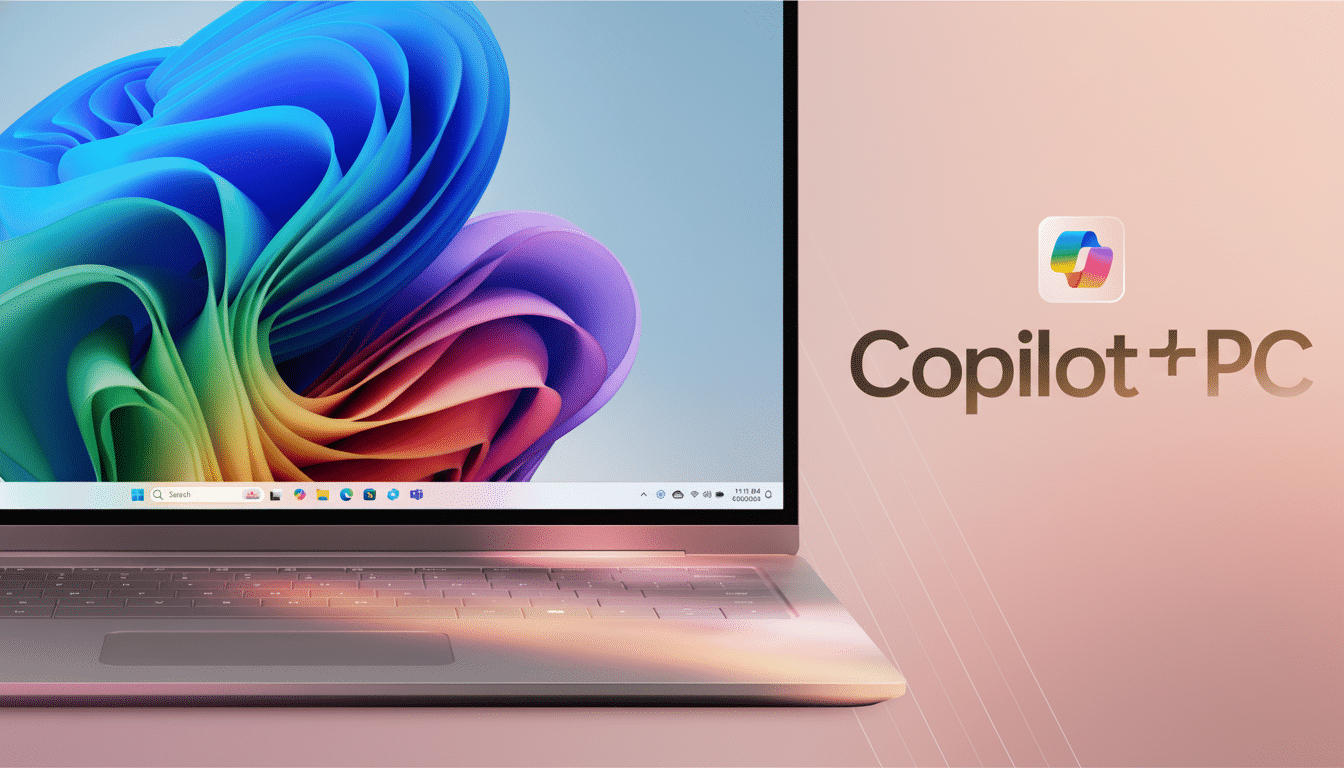
AI PCs Have Their Day with Faster NPUs and Better Battery Life
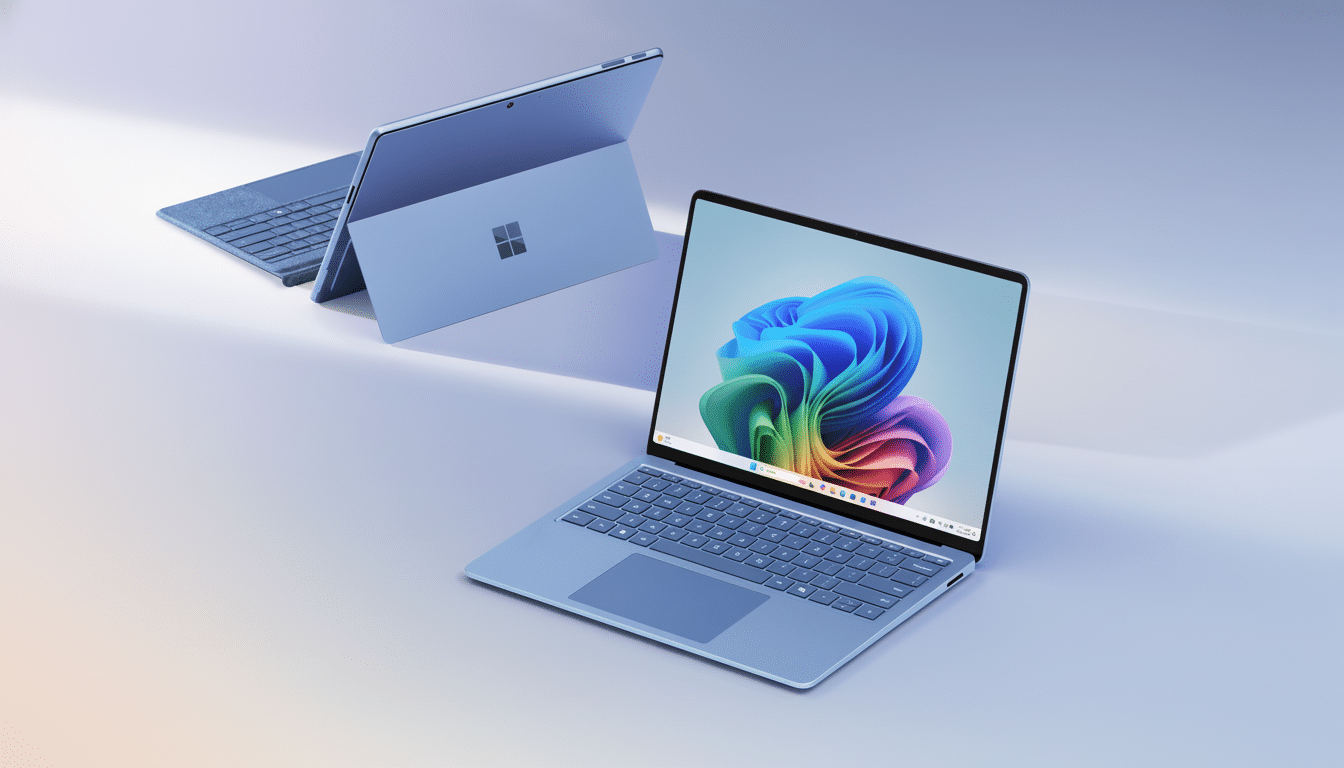
Hardware manufacturers from Acer and ASUS to Dell, HP and Lenovo are set to refresh laptop lineups with more powerful NPUs, the on-chip engines that handle AI workloads right on device. The Copilot+ PC push from Microsoft set a 40+ TOPS NPU bar for next‑gen Windows features, and it’s where vendors will hang their hats when extolling the virtues of smoother offline assistants, faster content creation and improved battery life under AI workloads.
IT research firm IDC forecasts AI PCs to account for more than half of shipments in the next few years and exceed 60% as models with dedicated NPUs proliferate. The hard question for buyers at CES: which systems feature actual gains beyond marketing, the kind that you can actually use on a routine basis like dependable on‑device transcription, quality image upscaling and AI video tools that don’t destroy runtime.
Chips and Graphics to Watch Across PCs, Arm and Data Centers
As usual, AMD kicks things off early with a pre‑show keynote and all indications are that we’ll see more of a focus on Ryzen AI laptop processors with more efficient integrated graphics. Expect the company to connect PC silicon to its data center accelerators under a “cloud to edge” story.
Normally NVIDIA is showing off GeForce stuff, Studio applications and a whole lot of automotive demos. Keep an eye out for updates connecting RTX hardware with creator workflows and local generative AI, as well as new Max‑Q designs in ultra-slim laptops. Industry scuttlebutt also suggests a general Windows on Arm groundswell, as Qualcomm’s Snapdragon X family is already out and about in the wild, with other chipmakers considering Arm-based PC designs to take on x86 incumbents.
Intel, on the other hand, is presumed to put a focus towards low‑power cores, spruced up graphics and NPU blocks with improved capabilities for mixed AI workloads. The throughline for all three chip giants: more TOPS isn’t enough; software support, thermal design, and memory bandwidth will differentiate show-floor demos from the reality of shipping.
TVs and displays get brighter, smarter, and more connected
LG, Samsung, TCL, Hisense and Sony will be showing high-end OLEDs and Mini‑LED flagships with better anti-glare coatings, higher peak brightness and gaming-grade features such as 144Hz or 165Hz VRR.
Omdia says premium displays are the ones pulling up the TV market’s value growth, and at CES, panel makers showcase what’s next: QD‑OLED refinements, MicroLED prototypes, snazzy transparent concepts that whisper futures of living rooms.
Smart TV platforms will push AI even further, with automated picture adjustment and personalisation in content rows. Look for more TVs to become smart home hubs using Thread and Matter, and Wi‑Fi 7 will help onboard new devices quickly with low‑latency control — no more bridges or wait time needed.
XR and spatial computing advancements for work and play at CES
Extended reality ought to arrive in a new round of slimmer headsets, better color passthrough and more enterprise‑friendly designs. Google has marked Android XR as a strategic priority and Qualcomm is continuing to develop its XR silicon. We expect cooperation with PC makers to focus on productivity and training use-cases, while gamer‑focused devices get upgraded lenses and inside-out tracking that will at last make long sessions comfortable.
Developers will be keeping an eye out for OpenXR compatibility, controller-free hand tracking accurate enough for work and impressive demos that seamlessly integrate 3D interfaces with everyday apps. If spatial computing is going to break out, this seems like the place where the foundation begins to be laid.
Smarter homes, for real uses with Matter, Thread and Wi‑Fi 7
After years of hype, the story of the smart home at CES is one of tangible reality. Support for Matter and Thread should be table stakes across lights, plugs and sensors, with multi‑admin control satisfyingly seamless at last. Brands like Govee will appeal more directly to DIY-ers with more reactive lighting and outdoor fixtures, while bigger platforms adopt the concept of energy dashboards up front and routines that rely on on‑device AI for faster, more private automation.
Networking will be a subplot: Wi‑Fi 7 mesh systems say they’ll have lower latency for cameras and AR streams, and more routers will include built‑in smart home radios so you don’t need to add yet another hub. Do find clear upgrade paths and support windows before you sign up.
Mobility robotics and in‑car tech move toward practical features
Electric cars are still a CES headliner. Look for infotainment news related to Android Automotive and next‑gen voice assistants, cabin‑facing safety features as well as software‑defined platforms based on NVIDIA Drive and Qualcomm’s Snapdragon Digital Chassis. Vendors will flex their muscles with sensors and domain controllers targeting scalable ADAS, not full autonomy.
Home and service robots will return with improved mapping, obstacle avoidance and gripper dexterity. The big change is from novelty to reliability: there are fewer cocktail‑mixing demos, more powerful dock-based systems that vacuum, mop and self-clean without the need for much babysitting.
What not to expect at CES 2026, and what to watch instead
You’re probably not going to find a lot of blockbuster mobile phone launches at the event either — those generally land in dedicated mobile shows. Also look for some wild ideas with no pricing or ship dates yet. The smart play is to see which prototypes come back as real products in six months and which just disappear.
How to decode CES 2026 headlines for real-world implications
When spec sheets are zipping the focus should be on specifics that hint at everyday usage: NPU capabilities beyond raw TOPS, thermal performance under sustained load, VRR ranges on TVs, Wi‑Fi 7 backhaul support and guaranteed software update timelines. If a demo functions untethered from the cloud and there’s an announcement of a well-defined ship window, then you’re likely gazing upon one of the true winners at CES 2026.
